Introduction
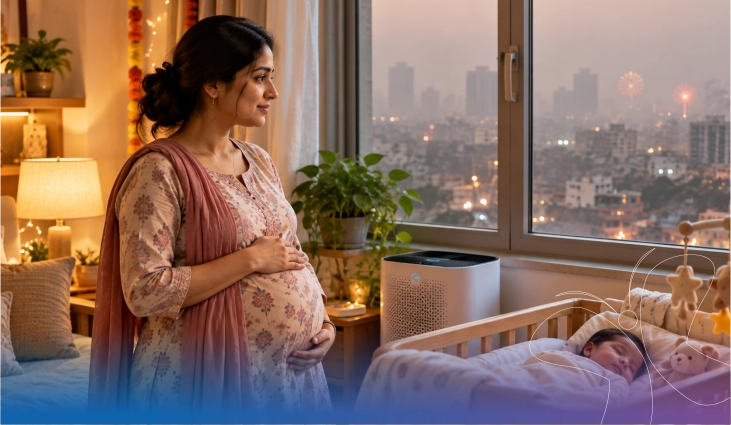
Festivals fill our homes with light, sweets and family, but they also fill the air with smoke. Firecrackers, burning incense, bonfires and heavy traffic push pollution levels up sharply in many Indian cities during the festive season. For most healthy adults this means a scratchy throat. For an expectant mother and a newborn, the stakes are higher. Air pollution during pregnancy is linked with real risks, and the good news is that a handful of practical habits can reduce exposure significantly.
Why Festive Air Is So Harmful
The most concerning component of smoke is PM2.5, microscopic particles small enough to travel deep into the lungs and cross into the bloodstream. Fireworks add metals and gases such as sulphur dioxide and nitrogen dioxide. Because many festivals fall in the cooler months, a layer of cold air can trap smoke close to the ground and keep pollution levels high late into the night and early morning.
Effects of Air Pollution on Pregnancy and Newborn Babies
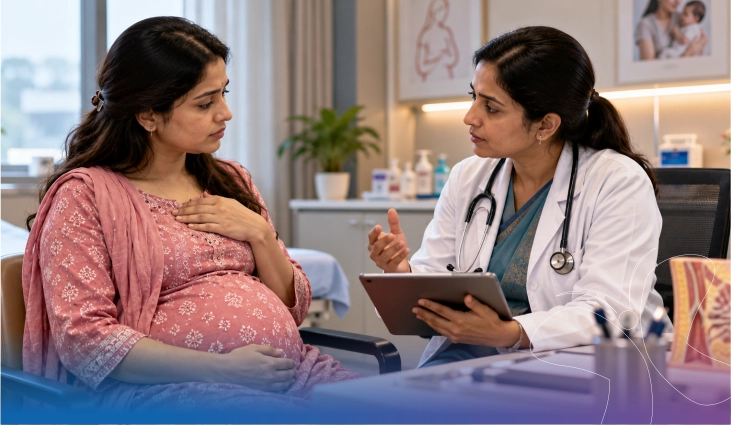
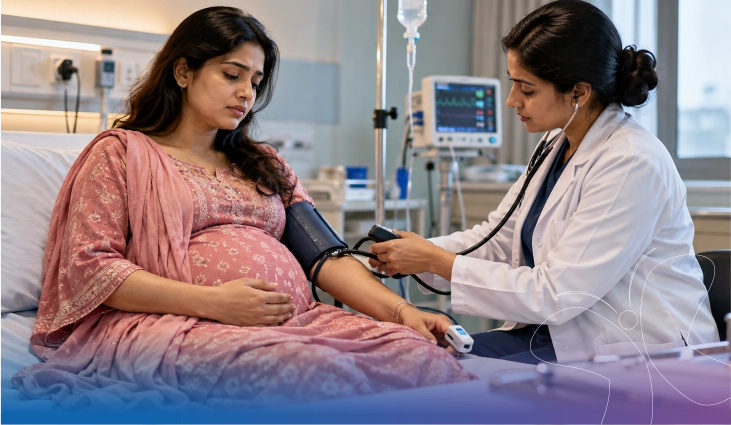
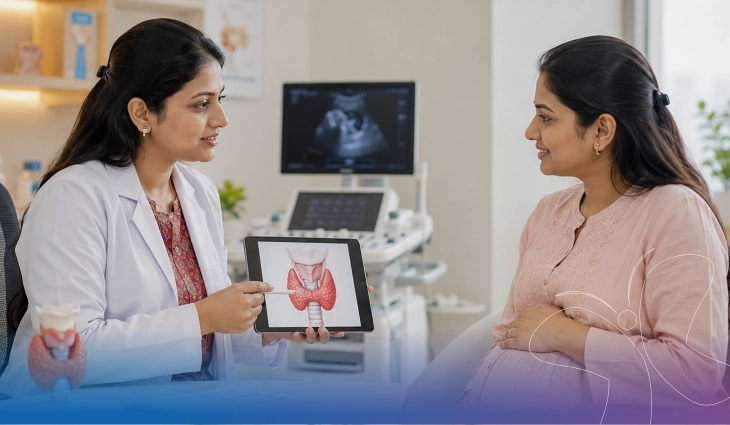
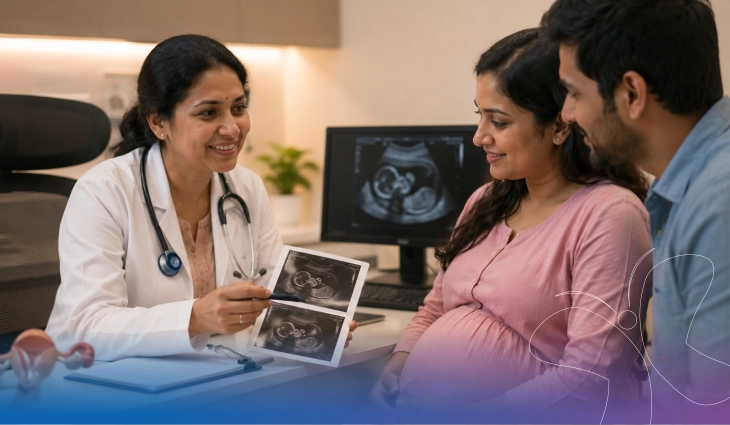
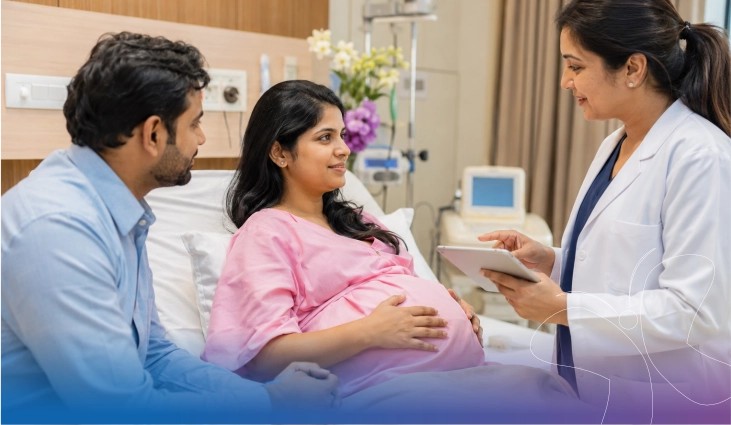
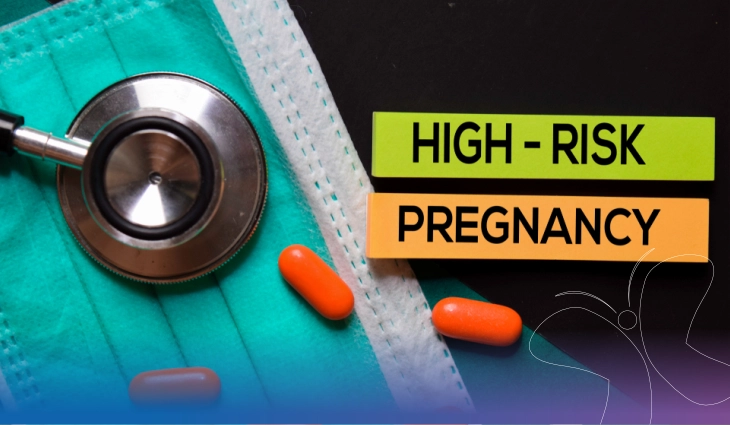
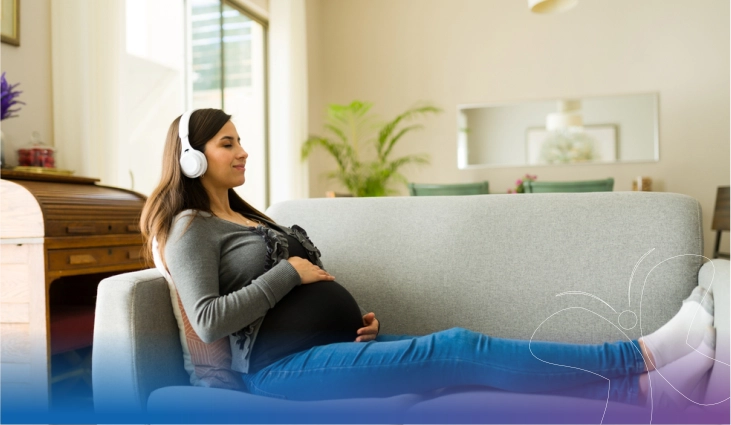
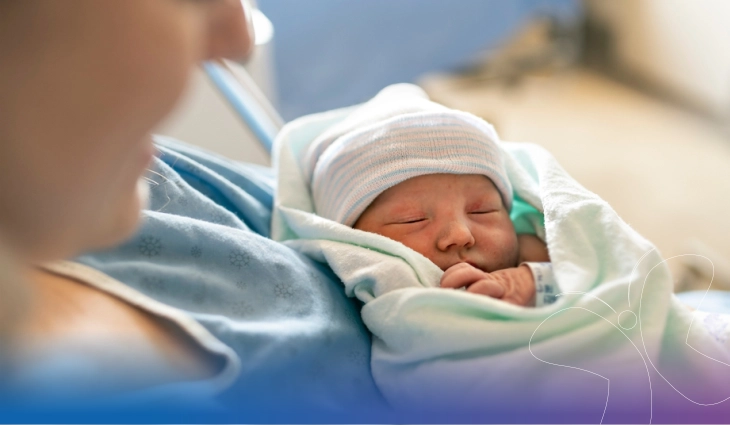
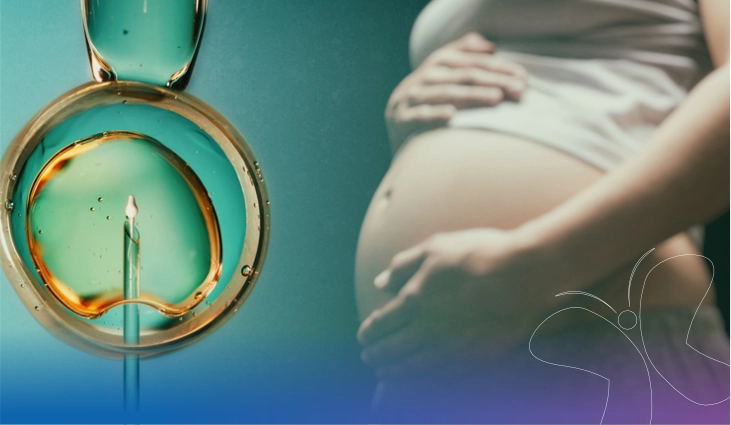
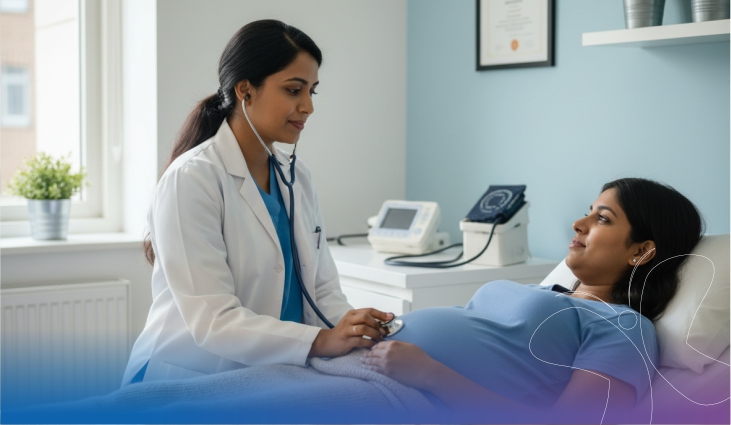
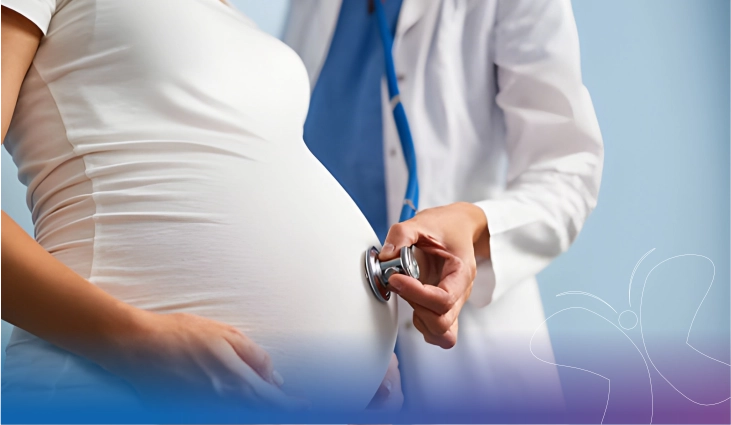
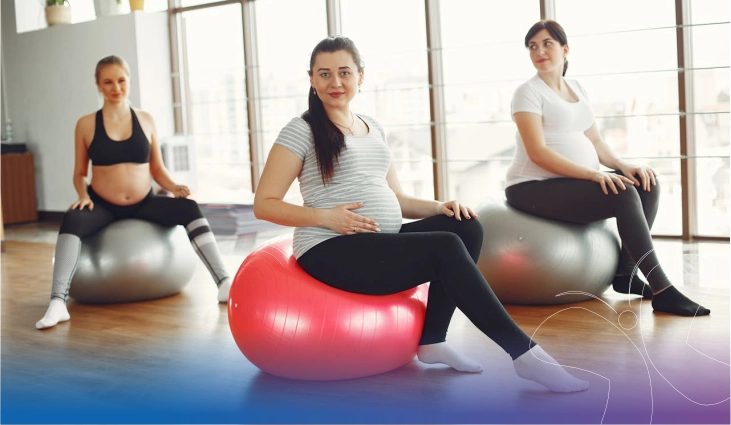
Research from several countries points to a consistent pattern. The effects of air pollution on pregnancy and newborn babies include a higher chance of preterm birth and low birth weight. Pollution has also been associated with high blood pressure disorders in pregnancy and gestational diabetes, though the evidence for individual risk varies. The likely reason is that inflammation caused by inhaled particles can affect the placenta and reduce the oxygen and nutrients reaching the baby.
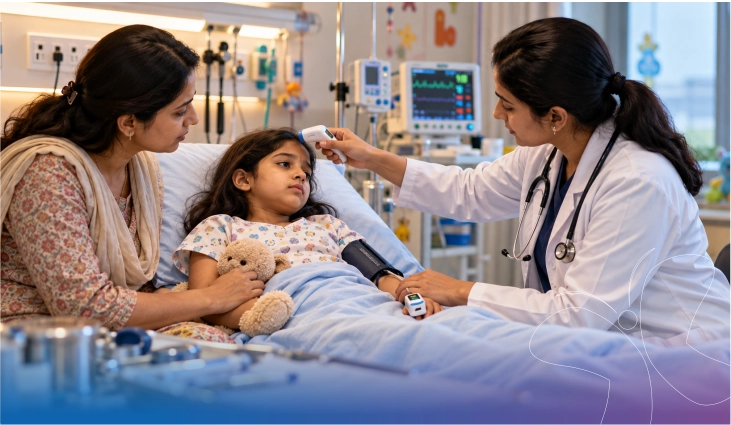
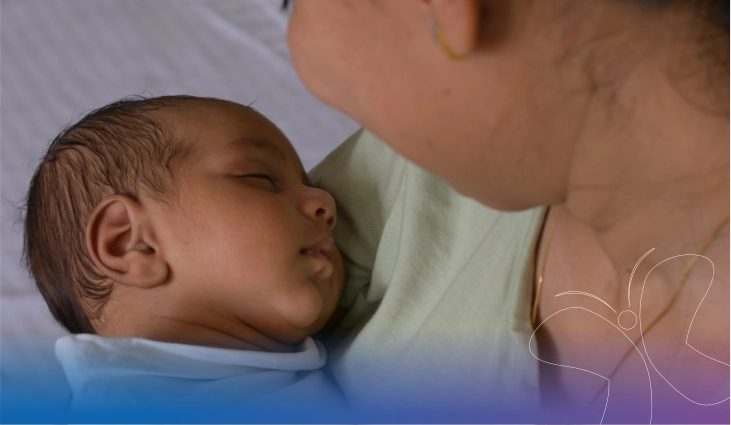
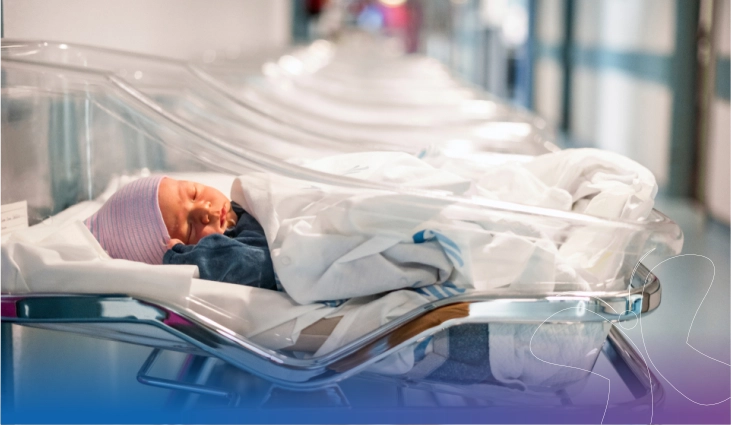
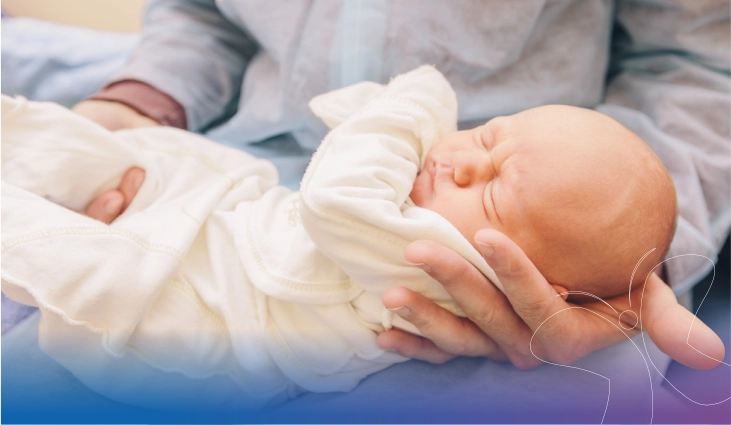
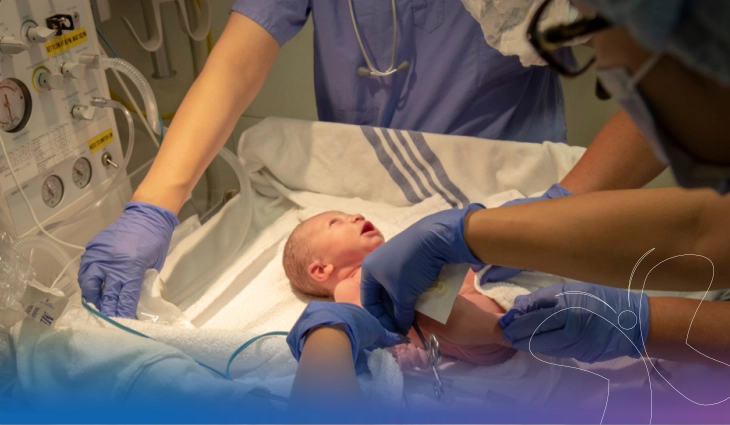
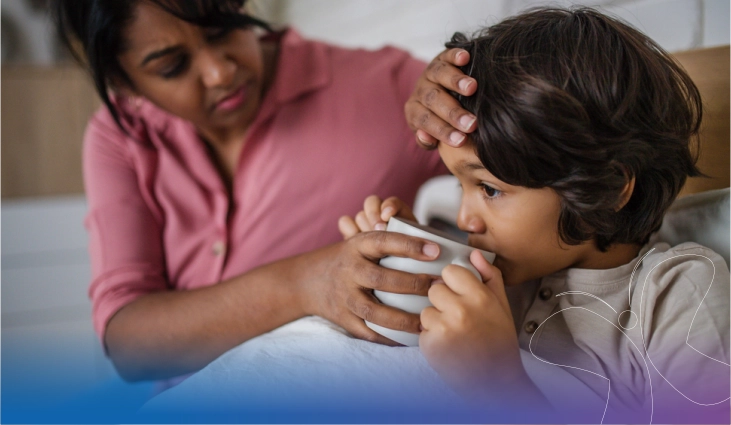
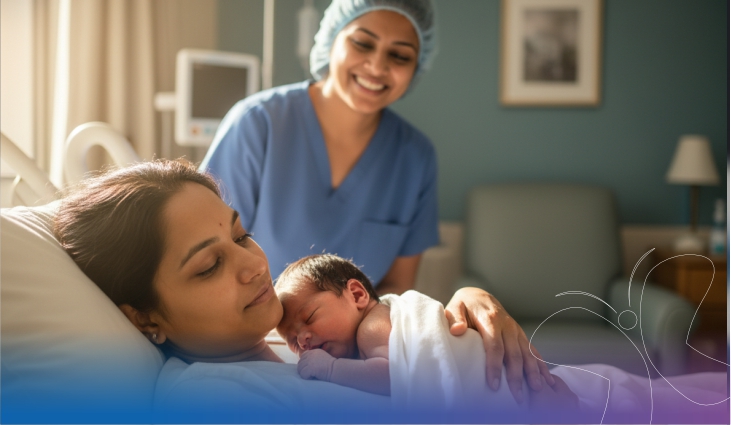
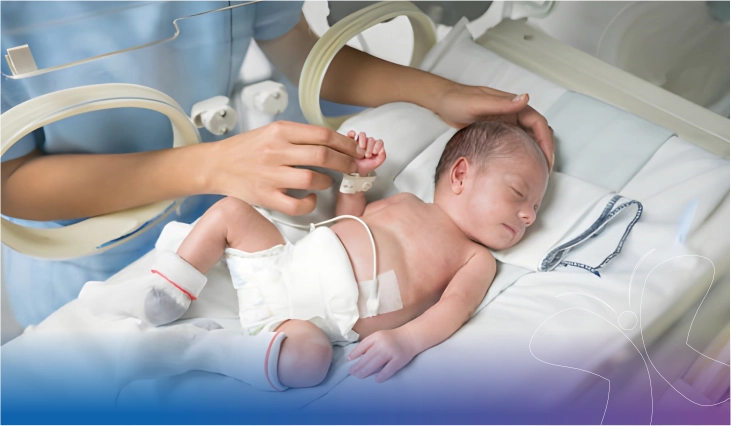
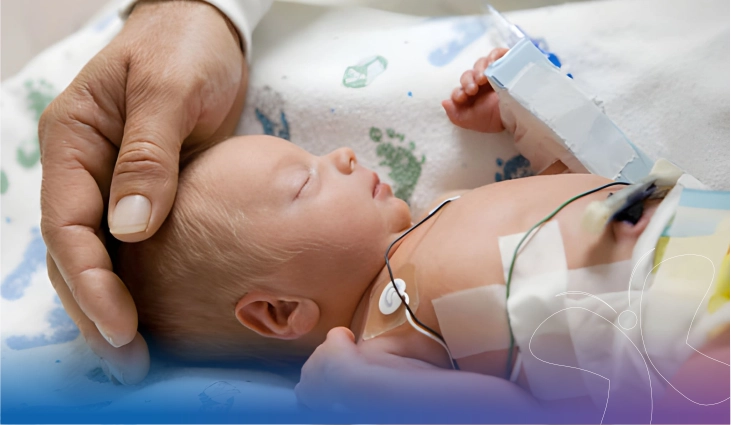
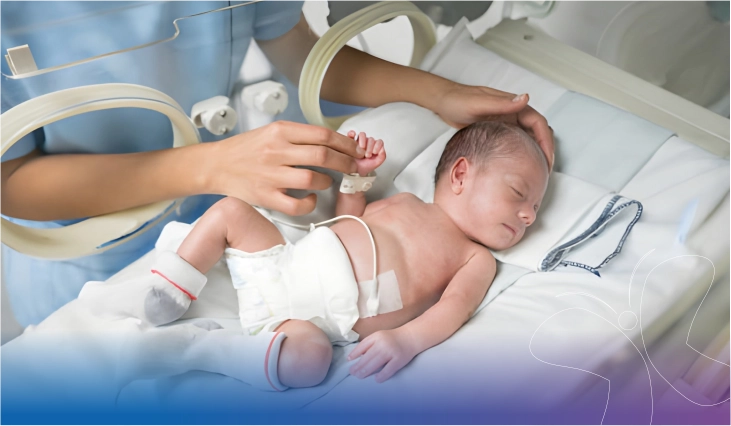
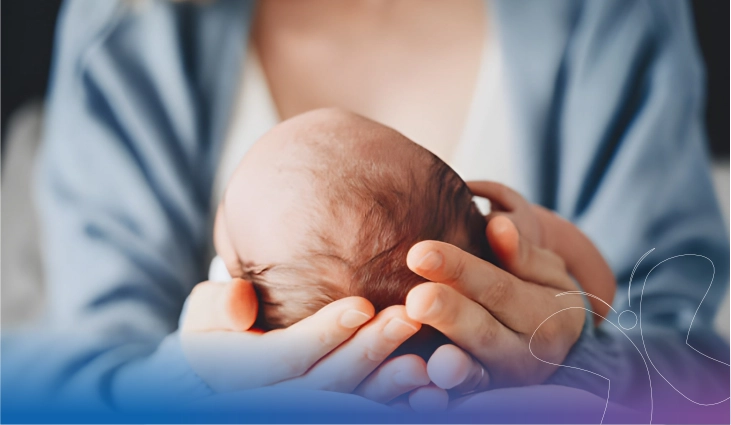
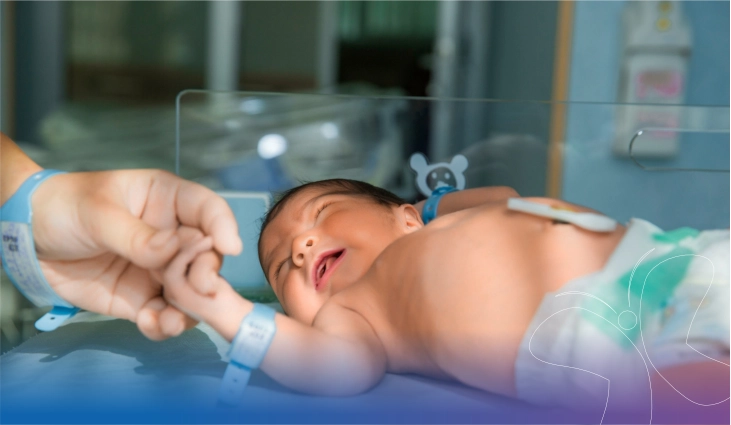
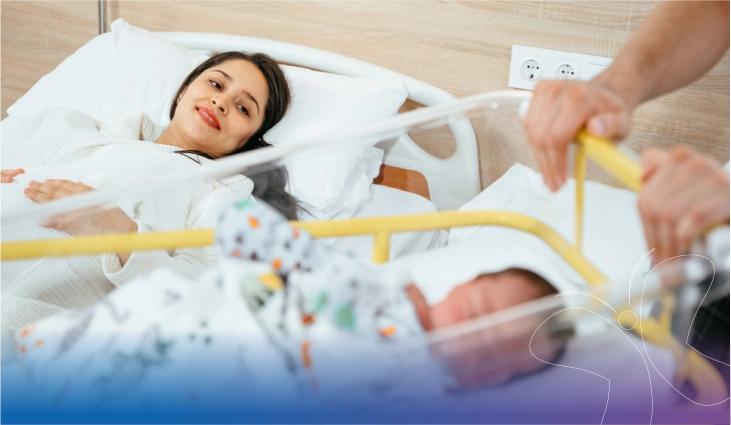
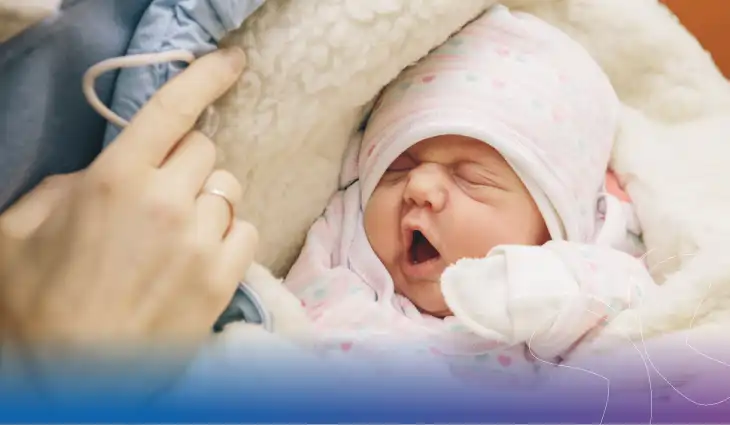
After birth, newborns and infants breathe faster and have smaller, still-developing airways, so they take in more pollutants relative to their size. This raises the risk of coughs, wheezing, chest infections and breathing difficulty. Long-term exposure in early life has also been linked with reduced lung growth. None of this means every exposed pregnancy will have a problem. It means that lowering exposure is a sensible, evidence-based way to protect your baby.
How Polluted Air Reaches the Baby
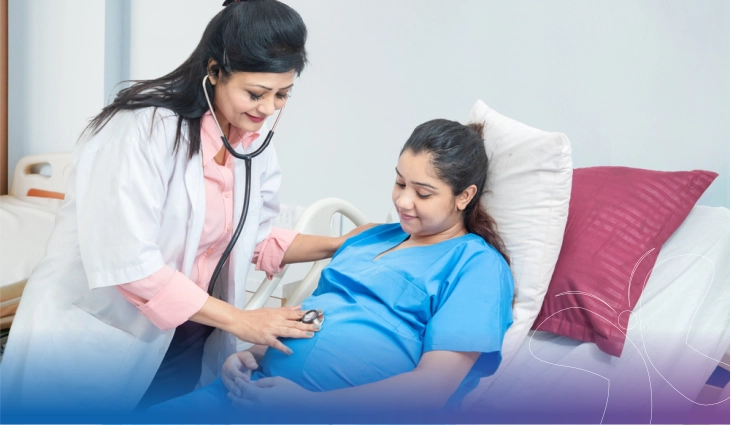
If you are wondering how air pollution affects pregnancy and newborn health, think of it as a chain. Particles enter the mother's lungs, trigger inflammation, and may affect blood flow through the placenta. A baby who receives less oxygen and nutrition may grow more slowly or arrive early. After birth, the same particles irritate a newborn's delicate airways. Pregnant women with asthma, anaemia, diabetes or high blood pressure, and babies who are premature, need extra caution because they have less reserve.
Practical Ways to Reduce Exposure
Many families wonder how to protect their baby from air pollution during the festive season. The answer is a combination of small habits:
-
Check the local air quality index each morning and plan outdoor time when it is lowest, usually in the afternoon
-
Keep pregnant women and babies indoors on poor-air days, with windows and doors closed during peak smoke hours
-
Run a room air purifier with a HEPA filter in the bedroom, remembering that it supports, and does not replace, avoiding smoke
-
Wear a well-fitted N95 or FFP2 mask outdoors; pregnant women should choose one that is comfortable and remove it if they feel breathless
-
Never put a mask on an infant under two because of the risk of suffocation; keep babies away from smoky areas instead
-
Avoid mosquito coils, incense sticks, camphor and wood fires in closed rooms, and cook with good ventilation or a chimney
-
Do not allow anyone to smoke near the mother or baby
-
Damp mop and dust to reduce settled dust, and stay well hydrated
-
Enjoy fireworks from a distance, and for pregnant women and newborns, from indoors
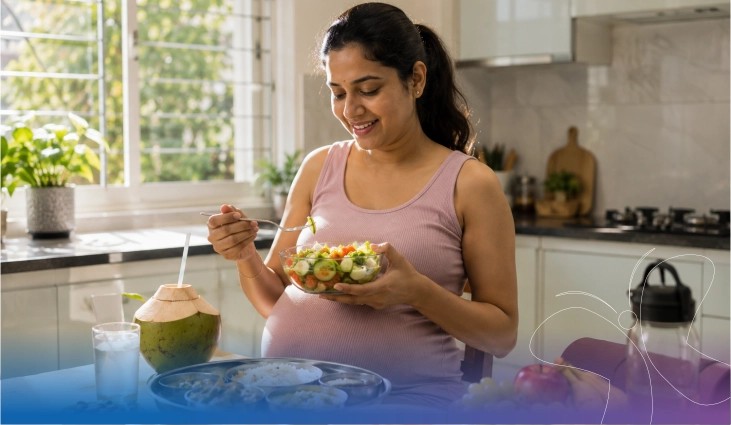
Eating a balanced diet with plenty of fruits and vegetables, continuing prescribed medicines and iron or calcium supplements, and exclusive breastfeeding for the first six months all support resilience.
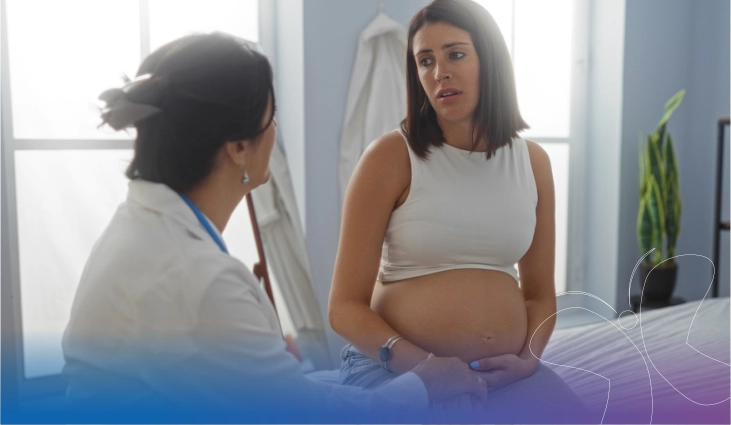
Breathing Trouble: Signs That Need a Doctor
Pregnant women should seek help for:
-
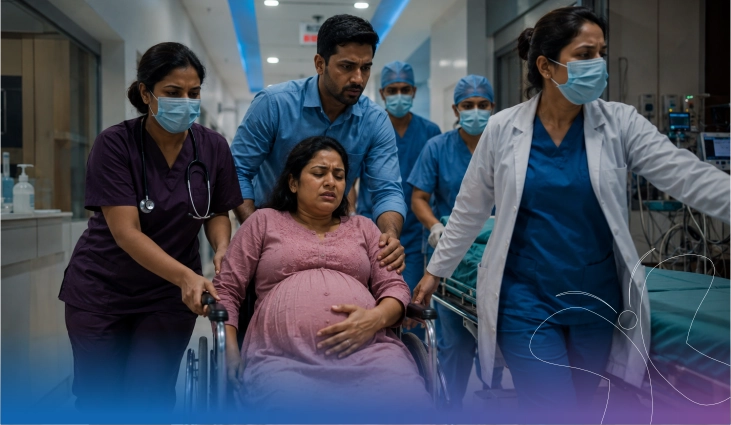
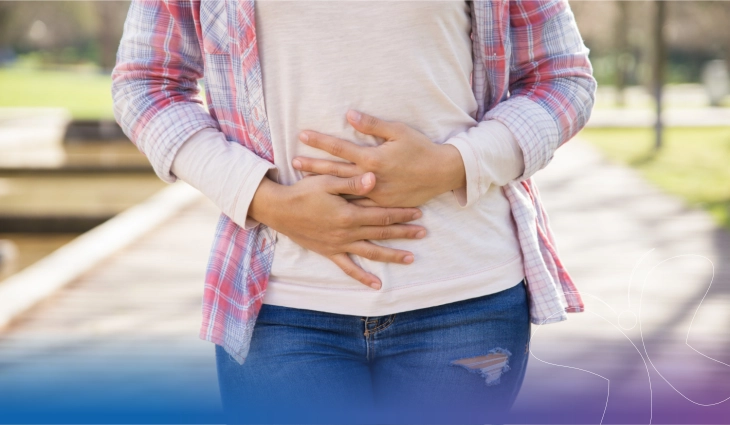
New breathlessness, persistent cough, wheezing or chest tightness
-
Worsening asthma during the festive season
-
Severe headache or swelling of the face or hands
-
Reduced baby movements
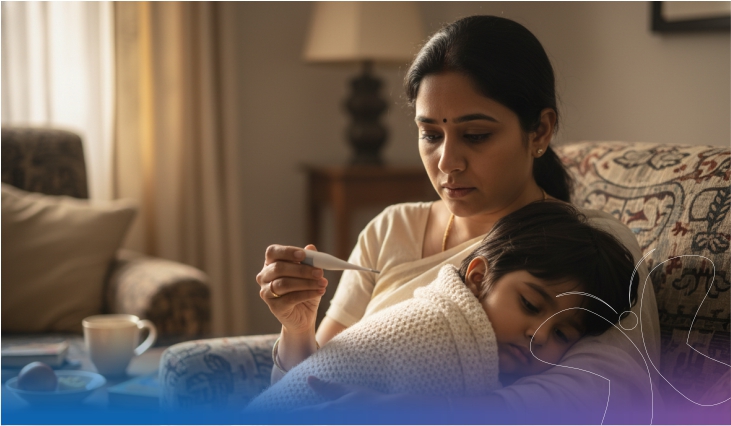
For newborns and infants, urgent signs include:
-
Breathing faster than sixty breaths a minute
-
Chest drawing in with each breath, or grunting
-
A bluish tint around the lips
-
Poor feeding, unusual drowsiness or fever
Do not wait for these to settle on their own.
Conclusion
Festivals are meant for joy, and a few simple precautions let you enjoy them without putting your baby at risk. Plan indoor time on smoky days, use good masks and ventilation and watch closely for warning signs. Flowrence Hospital, Rajkot, supports mothers through pregnancy, delivery and the newborn period with obstetric and neonatal care. When you want the best mother and child hospital in Rajkot for advice or urgent assessment, our team is available. Visit Flowrence Hospital to get in touch.