Introduction
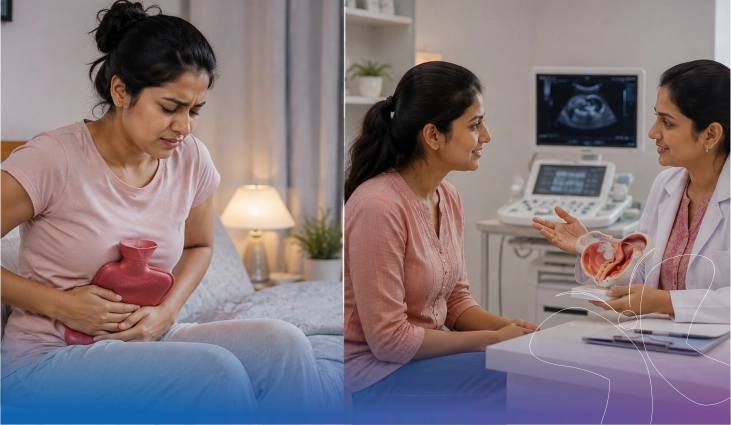
After childbirth, the focus naturally turns to the baby. Mothers often put their own recovery last and quietly accept leaking urine, a feeling of heaviness or pain during intimacy as "just part of being a mum". They are common, but they are not something you simply have to live with. Good postpartum pelvic floor recovery is possible for most women, and the earlier it begins, the better the results.
What the Pelvic Floor Does
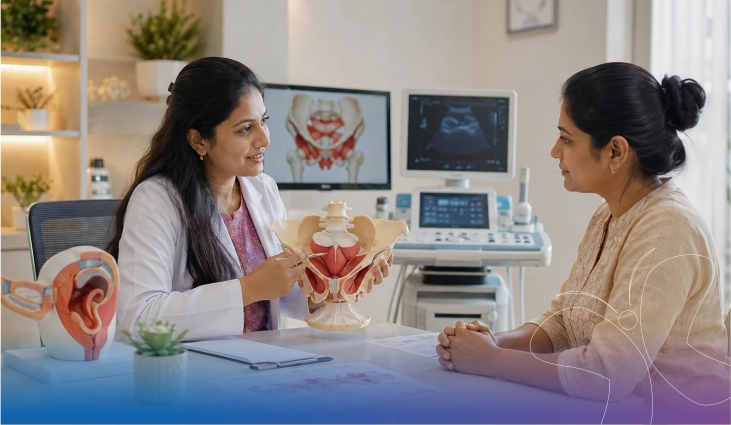
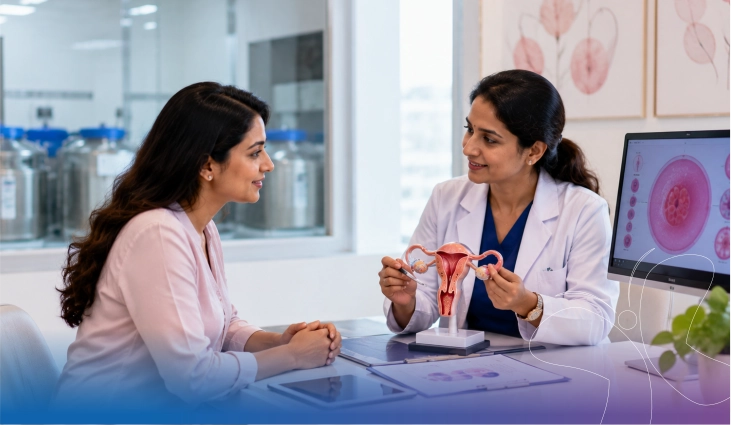
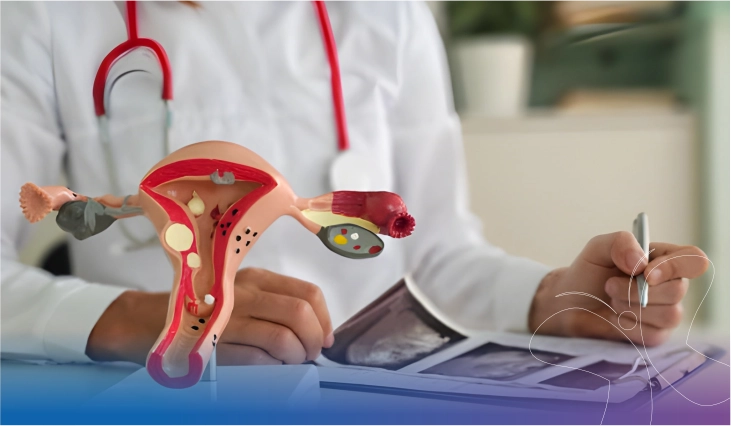
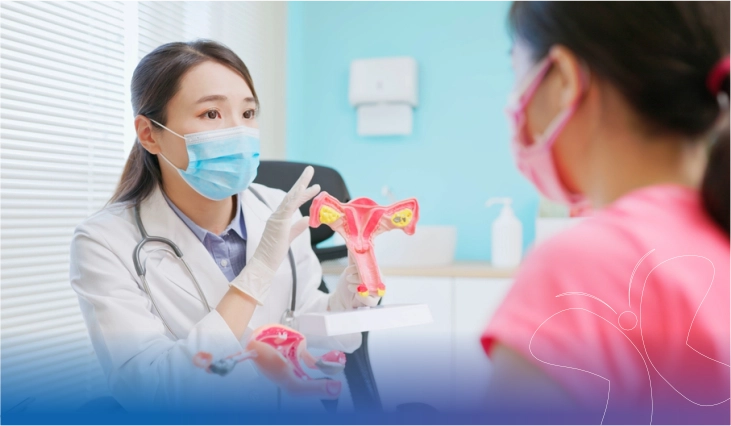
The pelvic floor is a hammock of muscles stretching from the pubic bone to the tailbone. It supports the bladder, uterus and bowel, helps control urine and stool, and plays a role in sexual function and core stability. Pregnancy places weight on these muscles for nine months, and vaginal delivery stretches them further, sometimes with tears or the use of forceps or vacuum. Caesarean birth reduces some strain, but pregnancy itself still affects the pelvic floor, so symptoms can occur after either type of delivery.
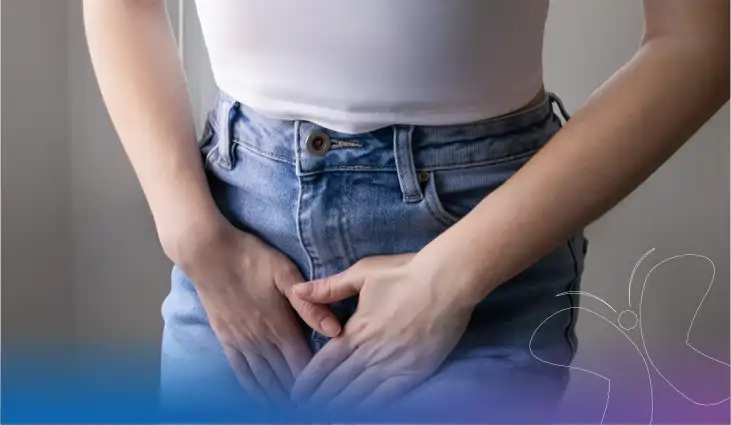
Common Postpartum Pelvic Floor Symptoms
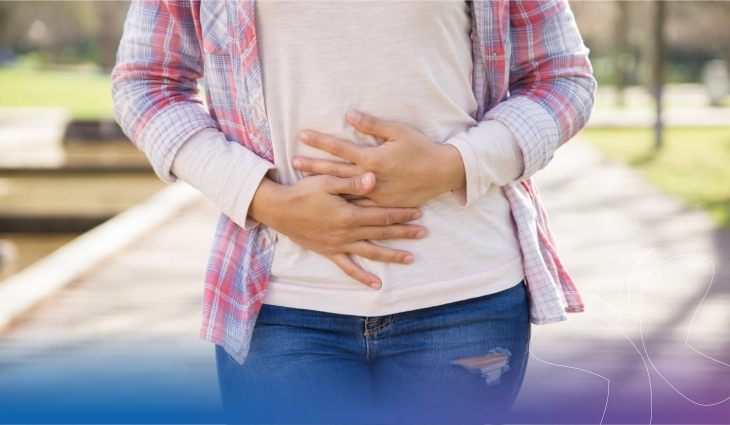
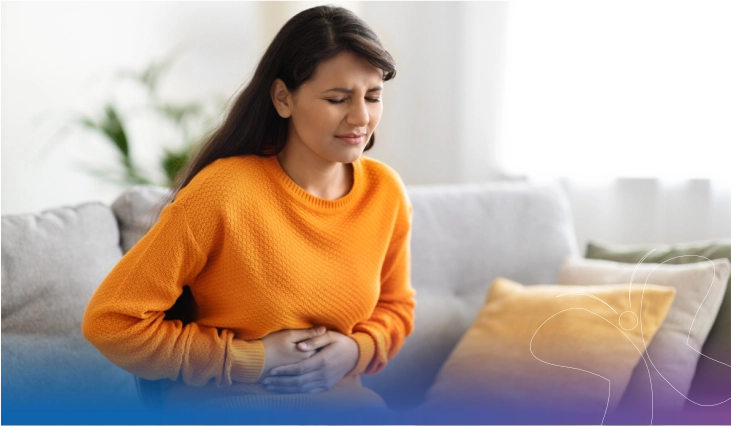
Symptoms vary from mother to mother. The most common are:
-
Urinary leakage when you cough, laugh, sneeze or exercise, called stress incontinence
-
Urgency: a sudden urge to pass urine that you cannot hold
-
Heaviness or a bulge in the vagina, which may indicate pelvic organ prolapse
-
Bowel problems: constipation, difficulty emptying, or leaking wind or stool
-
Pain during sex
-
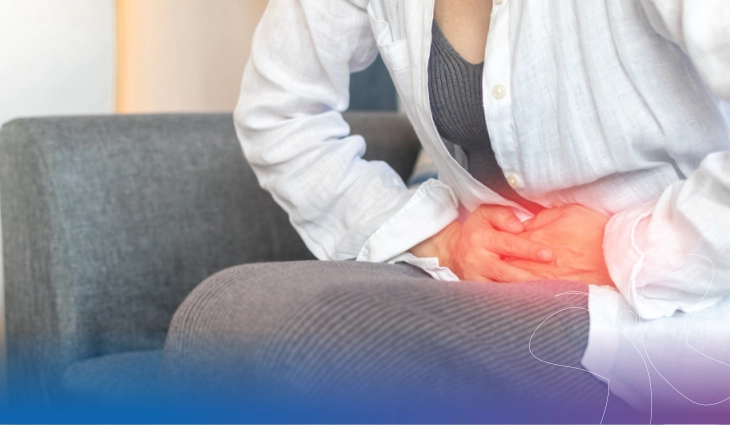
Pelvic or lower back pain
-
Diastasis recti: a persistent gap or doming in the abdominal muscles
Mild symptoms during the first few weeks are expected as tissues heal. But symptoms that continue beyond six to twelve weeks, worsen, or interfere with daily life should be assessed.
Pelvic Floor Physiotherapy After Childbirth
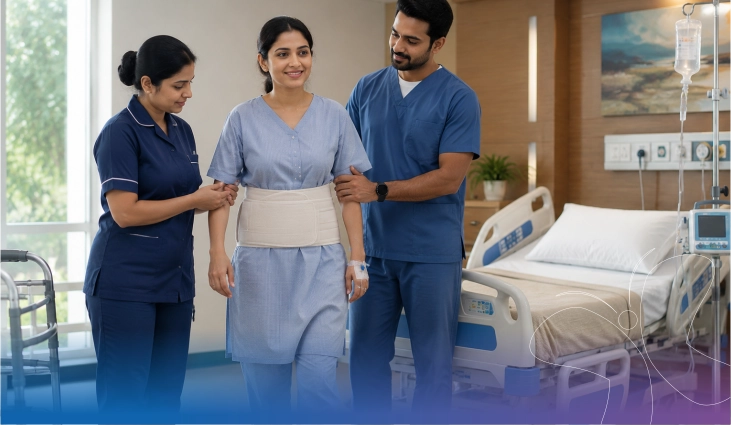
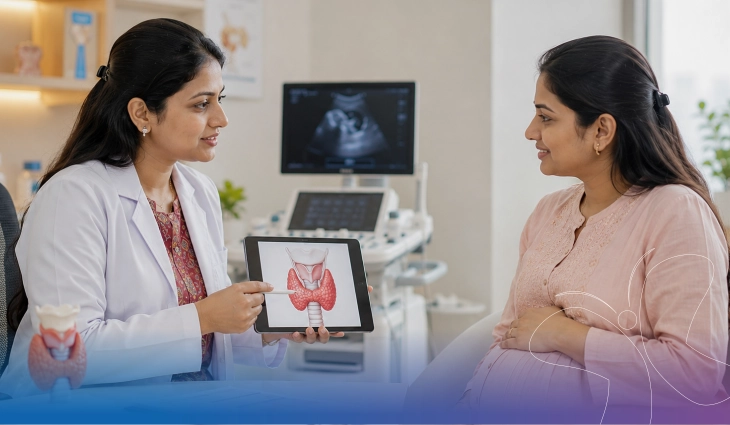
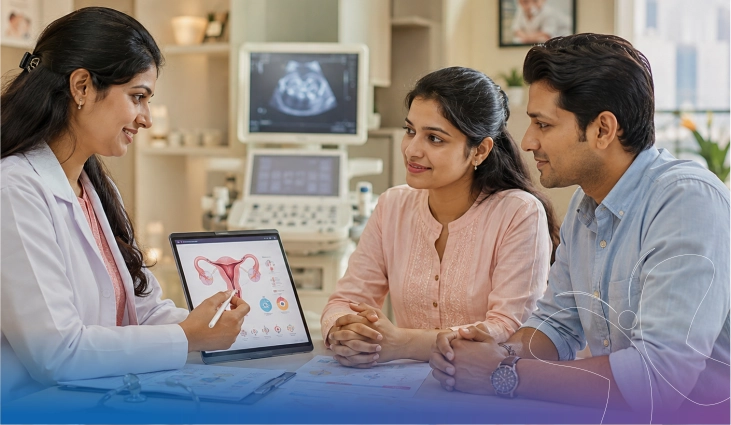
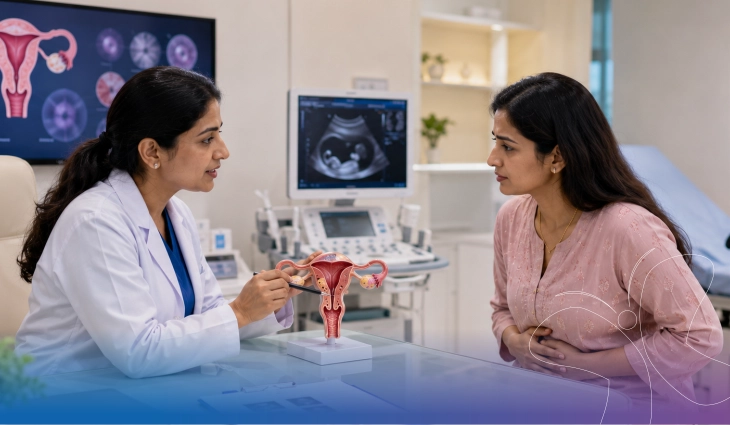
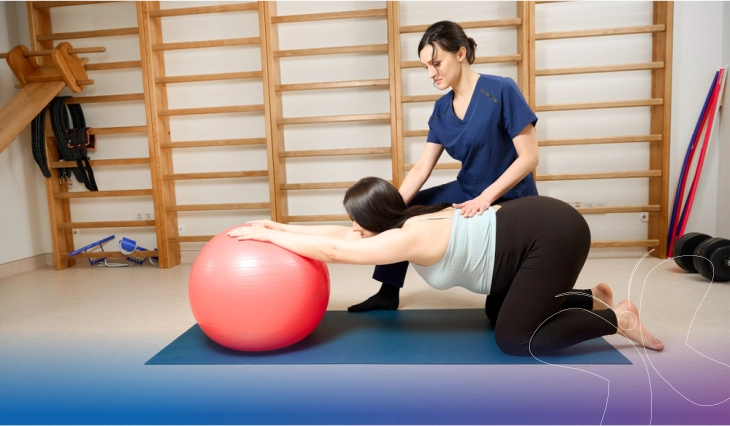
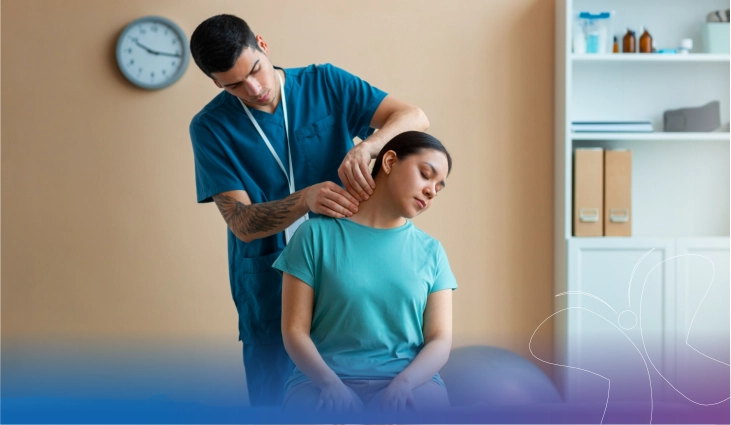
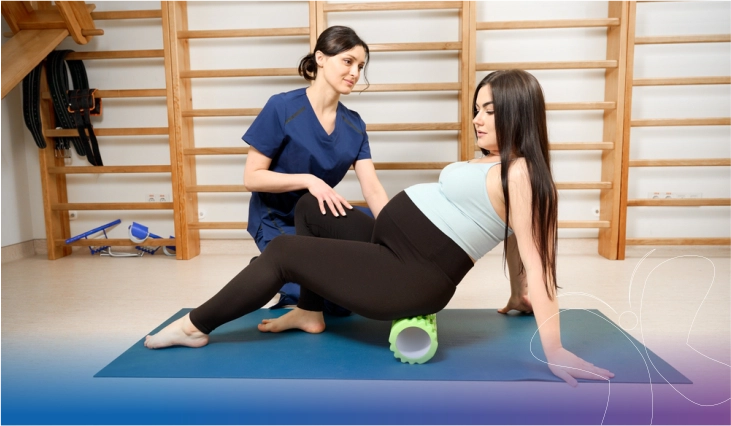
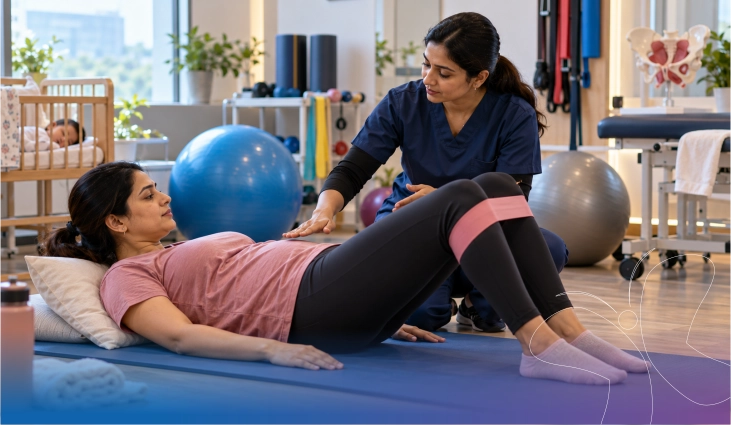
Pelvic floor physiotherapy after childbirth is the first-line treatment for most of these problems, and it is effective and non-invasive. A trained physiotherapist begins with an assessment, which may include an internal examination with your consent, to check muscle strength, coordination and tension, and also looks at your posture, abdominal separation and scar. Then a personal programme is created, which may include:
-
Guided pelvic floor exercises
-
Breathing and core retraining
-
Bladder and bowel habit advice
-
Manual techniques for painful or tight muscles
-
Biofeedback to help you feel the correct muscles working
-
Gradual return-to-exercise planning
Many women notice improvement within weeks of consistent practice, and research shows that supervised training works better than following general instructions alone.
Simple Exercises You Can Begin
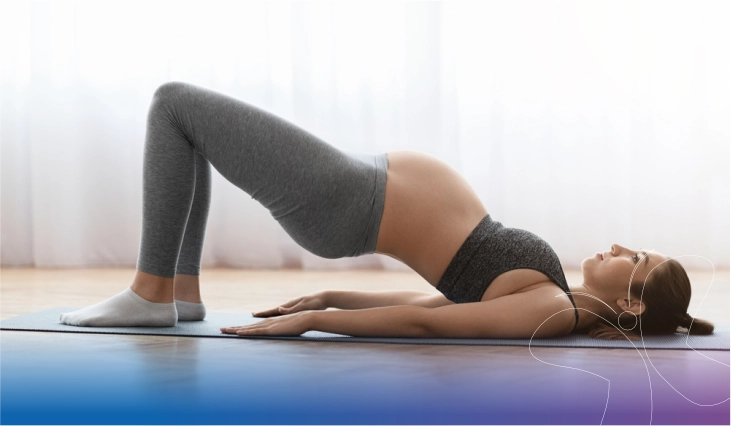
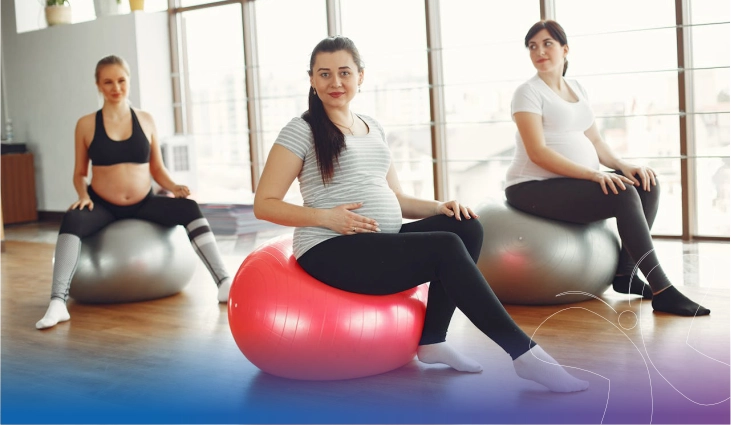
Gentle pelvic floor contractions can often be started in the first days after a vaginal birth, as long as they feel comfortable. The basic steps are:
-
Sit or lie down and breathe out
-
Lift and squeeze as though stopping the flow of urine and holding back wind
-
Hold for a few seconds without holding your breath
-
Release fully and rest
-
Repeat a few times, several times a day, and build up gradually
Releasing the muscle completely is as important as squeezing. Many women squeeze the wrong muscles, such as the buttocks or thighs, or hold their breath, so a professional check is valuable. Avoid heavy lifting, intense abdominal crunches and high-impact activity until your doctor or physiotherapist says you are ready, and treat constipation early.
Timing of Postnatal Physiotherapy
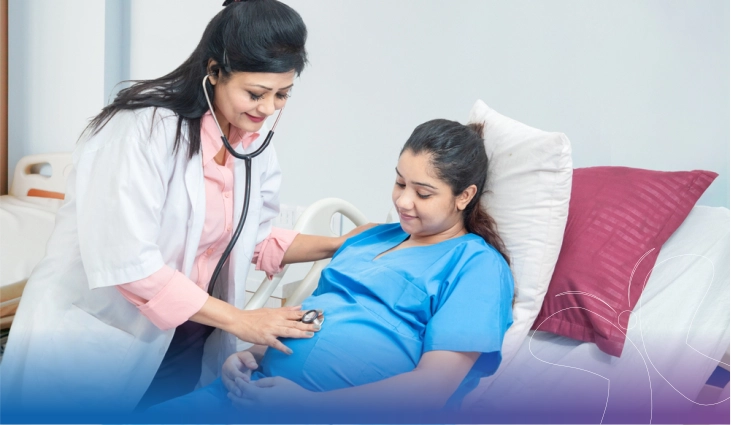
A common question is when a mother should begin pelvic floor physiotherapy after delivery. Gentle activation exercises can usually start soon after delivery, and a formal physiotherapy assessment is commonly recommended around six weeks, at the time of the postnatal check. You can go earlier if you have a significant tear, leakage, pain or a bulge, and you can go later too. It is never too late: women benefit even months or years after delivery. Caesarean mothers should also be assessed, especially if they notice leakage, pain or abdominal separation.
Postnatal Red Flags Not to Ignore
See a doctor soon if you notice any of these:
-
A visible or palpable bulge in the vagina
-
Inability to empty your bladder
-
No control over bowel movements
-
Severe or persistent pelvic pain
-
Heavy bleeding or foul-smelling discharge
-
Very painful intimacy
These problems are treatable, and you do not need to feel embarrassed raising them.
Conclusion
Your body has done something remarkable, and it deserves the same care you give your baby. With the right guidance, most pelvic floor problems improve significantly. Flowrence Hospital, Rajkot, supports mothers through postnatal recovery with assessment and rehabilitation guidance. If you are searching for the best postpartum physiotherapist in Rajkot, begin with a consultation to understand your recovery and build a plan that suits your life. Visit Flowrence Hospital to book your appointment.