Introduction
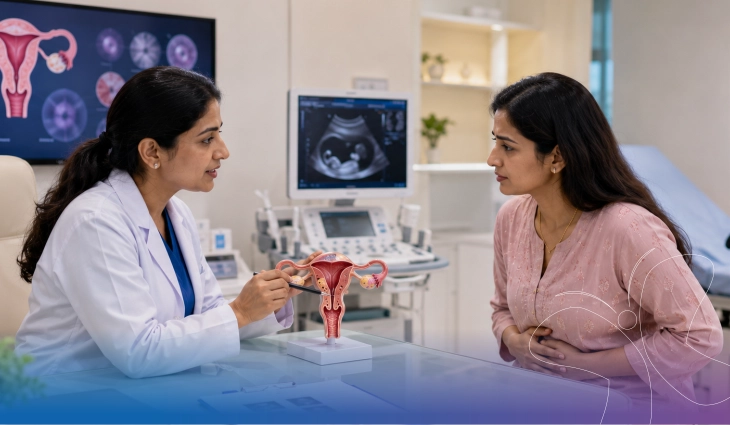
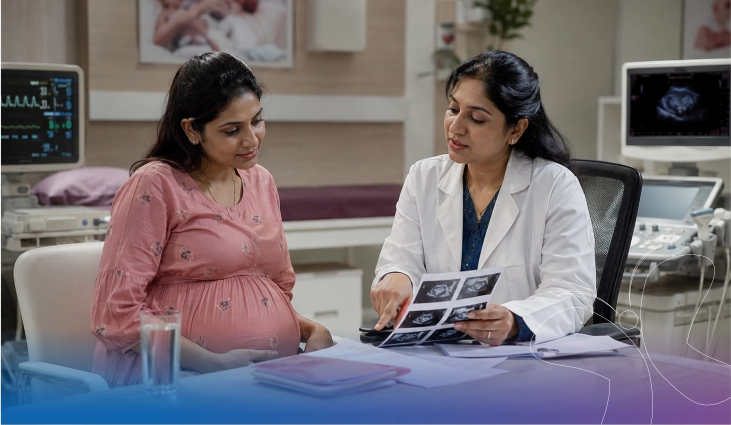
A pregnancy is expected to last about forty weeks, but around one in every eight to ten babies in India is born before thirty-seven weeks. When labour begins early, minutes and hours matter, because there are treatments that can improve the baby's chances if you reach hospital in time. Knowing the preterm labour symptoms is one of the most useful things an expectant mother can learn, particularly in the third trimester and in a high-risk pregnancy.
How Doctors Define Preterm Birth
A birth before thirty-seven completed weeks is preterm. Doctors further divide it into extremely preterm (before twenty-eight weeks), very preterm (twenty-eight to thirty-two weeks), and moderate to late preterm (thirty-two to thirty-seven weeks). The earlier a baby arrives, the more support they typically need, but modern neonatal care has dramatically improved survival and outcomes, even for very small babies.
Who Is at Higher Risk
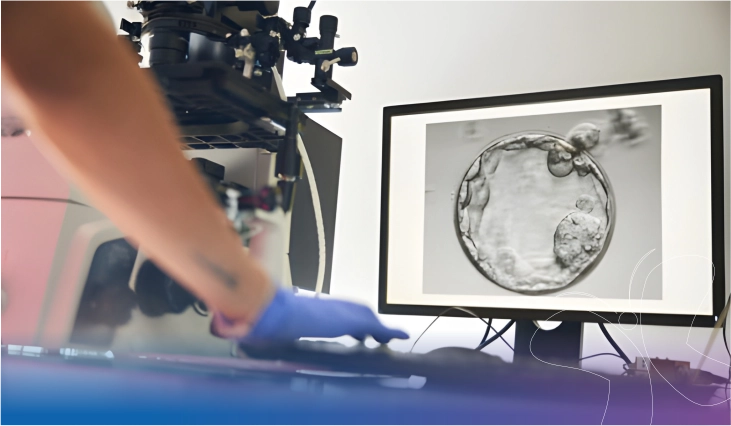
Preterm labour can happen without warning, but some factors raise the chance. These include a previous preterm birth, twins or triplets, a short cervix, infections of the urinary tract or genital tract, high blood pressure, diabetes, a very short gap between pregnancies, smoking or tobacco use, severe anaemia, and conception through assisted reproduction. Many women with preterm labour have no risk factor at all, which is why every mother should know the signs.
Preterm Labour Symptoms to Watch For
Preterm labour does not always announce itself loudly. These preterm labour symptoms are the ones to watch for:
-
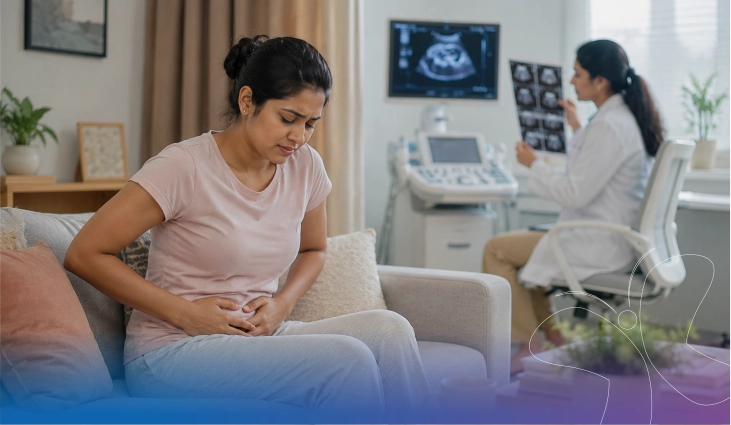
Regular contractions: roughly four or more in an hour, or one every ten minutes, that do not ease with rest or water
-
Back ache: a dull ache in the lower back that comes and goes
-
Cramping: pain like a period
-
Pelvic pressure: a feeling that the baby is pushing down
-
Discharge changes: increased discharge that may be watery, mucousy or blood-streaked
-
Fluid leakage: a sudden trickle or gush, which suggests the waters have broken
-
Loose stools
Braxton Hicks contractions are irregular, painless and ease when you change position, but if you are unsure, it is safer to be checked.
When to Go to Hospital
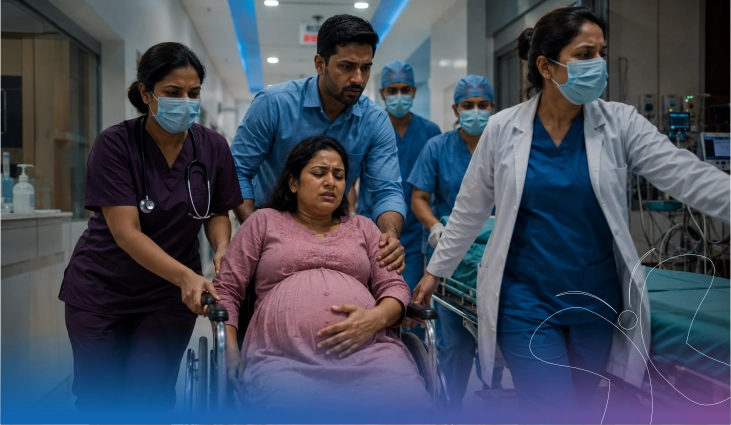
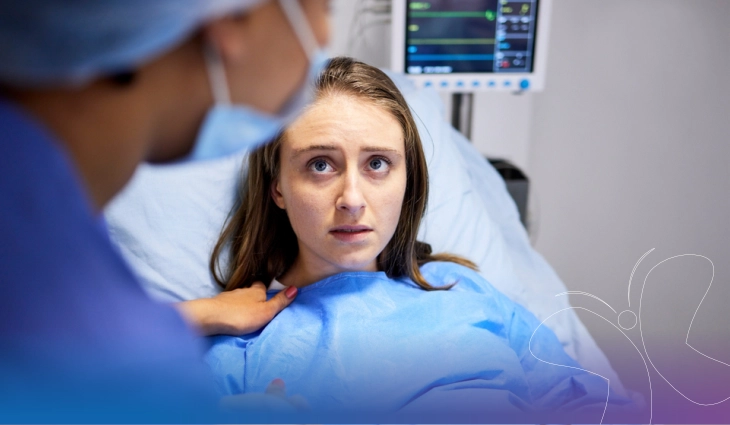
Mothers often ask what the warning signs of preterm labour are. Any of the symptoms above before thirty-seven weeks needs same-day assessment, as does any vaginal bleeding or a noticeable drop in baby movements. Do not wait to see if it settles overnight. On your way to hospital:
-
Lie on your left side if you can
-
Drink a glass of water
-
Go to a hospital that has both obstetric and neonatal care
What Happens at the Hospital
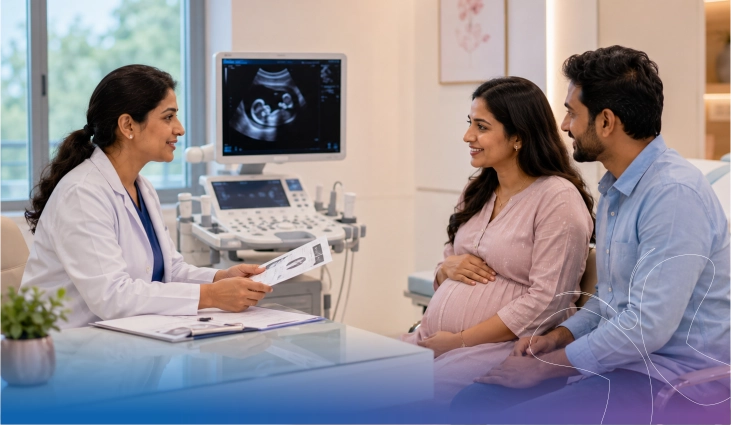
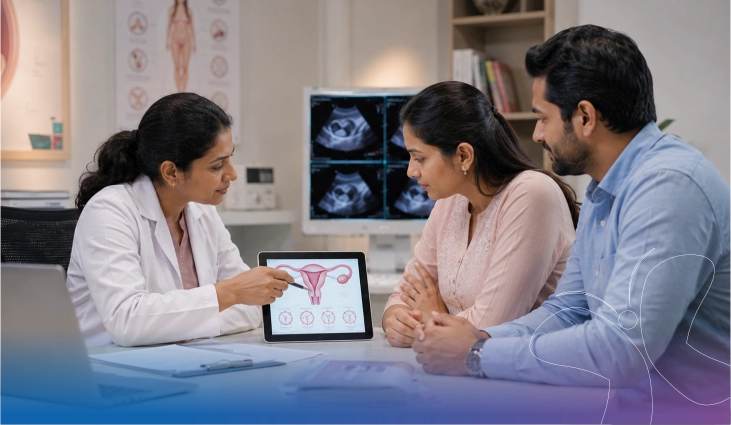
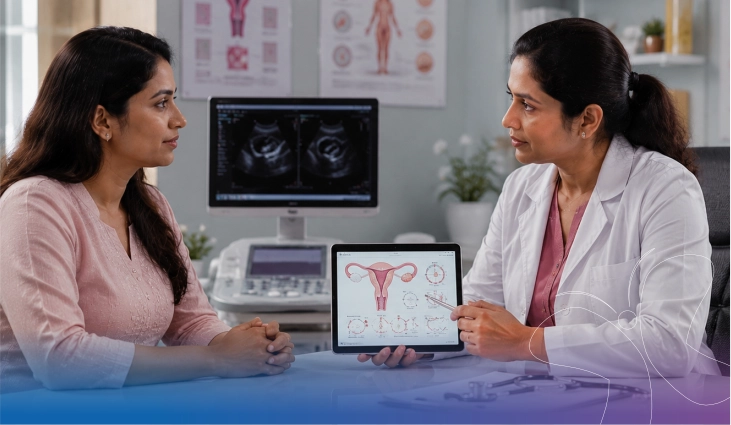
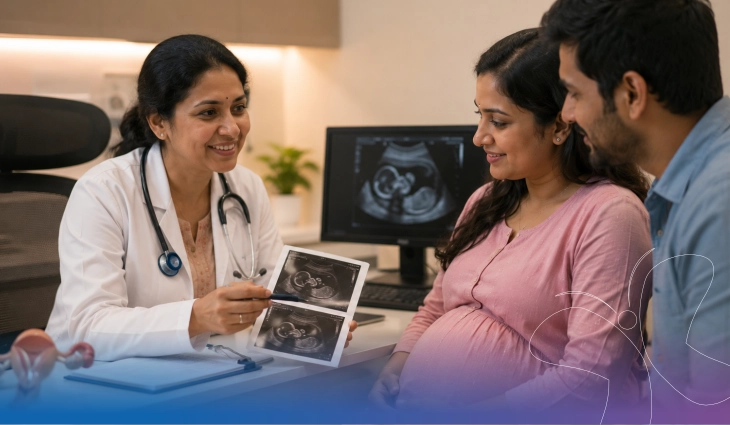
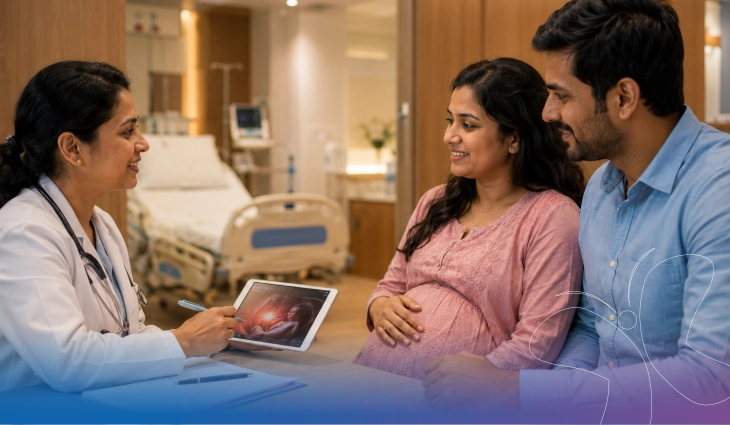
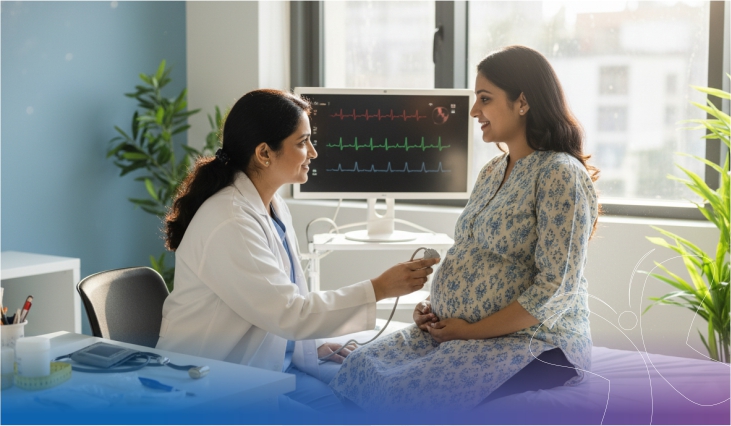
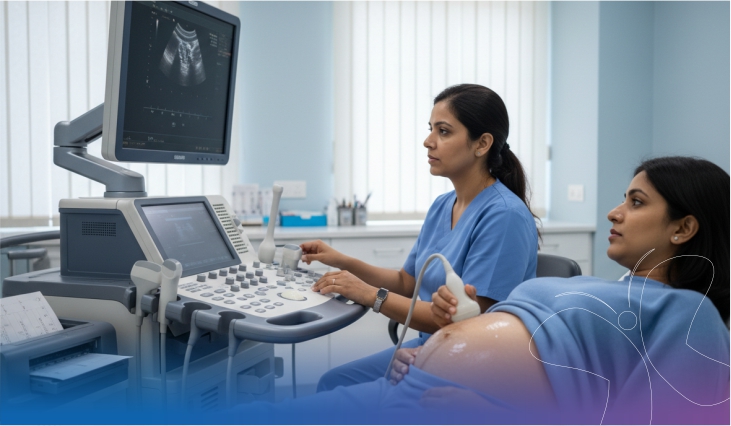
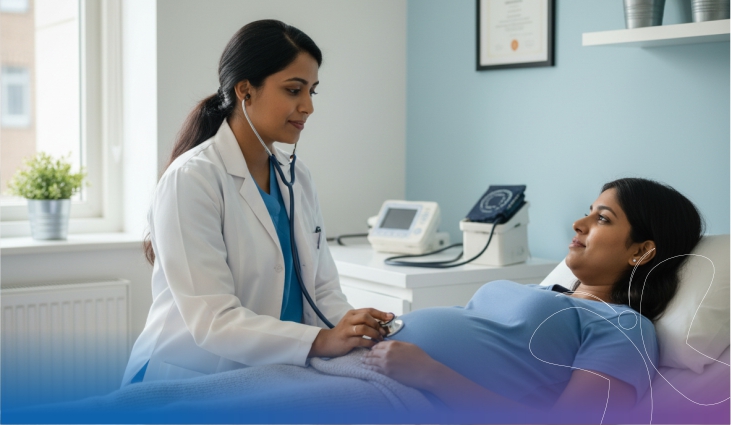
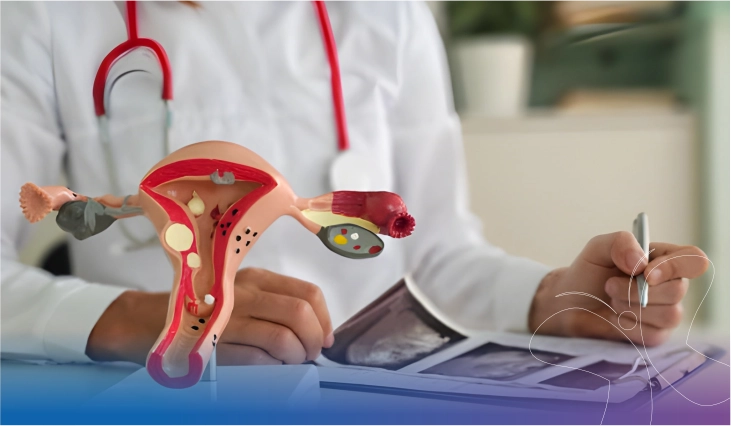
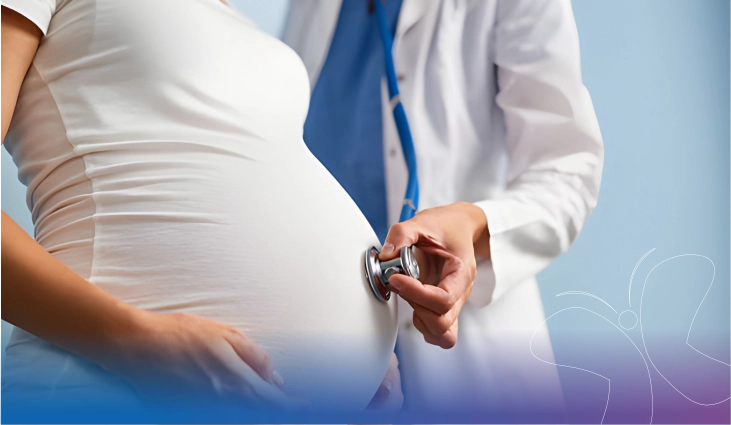
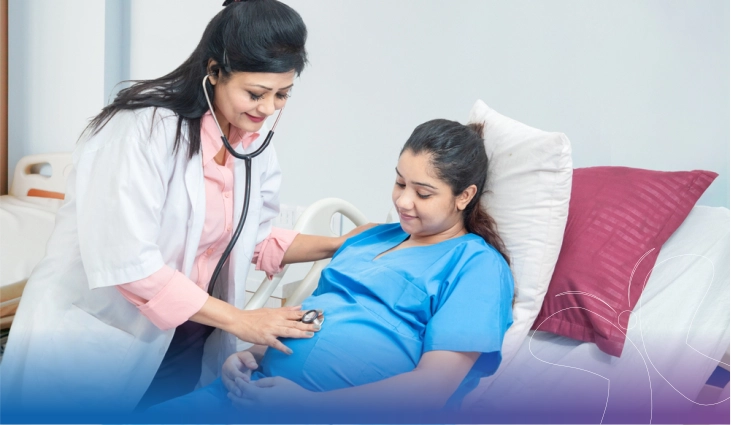
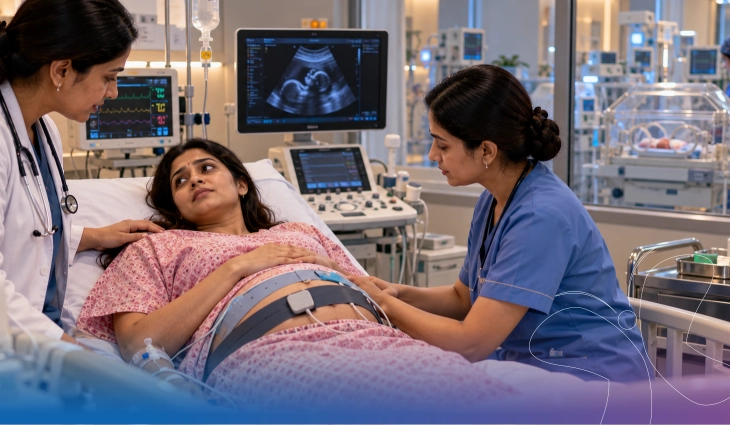
The team will check your blood pressure, the baby's heartbeat and the pattern of contractions, and examine the cervix. A scan can measure cervical length, and tests can look for infection or ruptured membranes. If preterm labour is confirmed, the aim is to delay delivery long enough for protective treatments to work. These may include:
-
Tocolytics: medicines that may slow contractions for a day or two
-
Antenatal steroid injections: help mature the baby's lungs
-
Magnesium sulphate: protects the baby's brain when delivery is expected before thirty-two weeks
-
Antibiotics: reduce infection risk if the waters have broken
-
Transfer before delivery: moving to a centre with a neonatal unit is far safer than moving a premature baby after birth
Early Signs of Premature Delivery and NICU Care
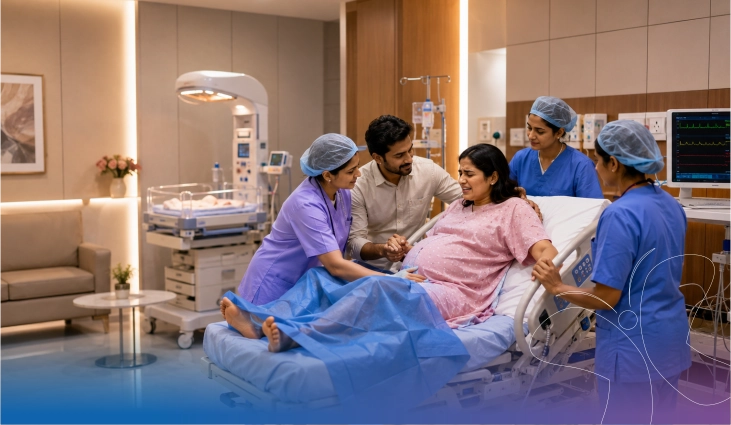
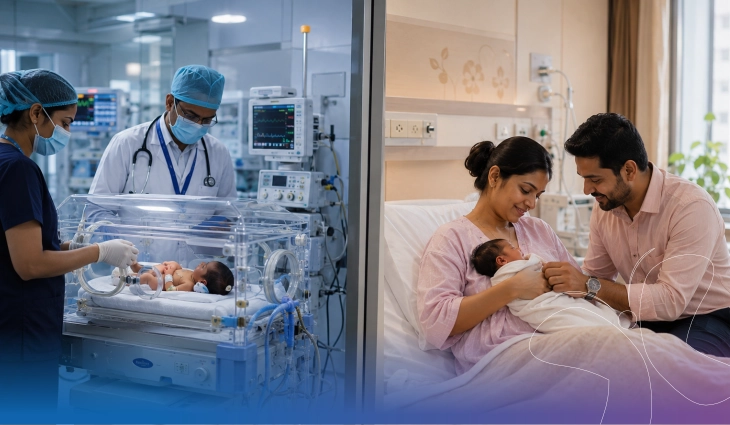
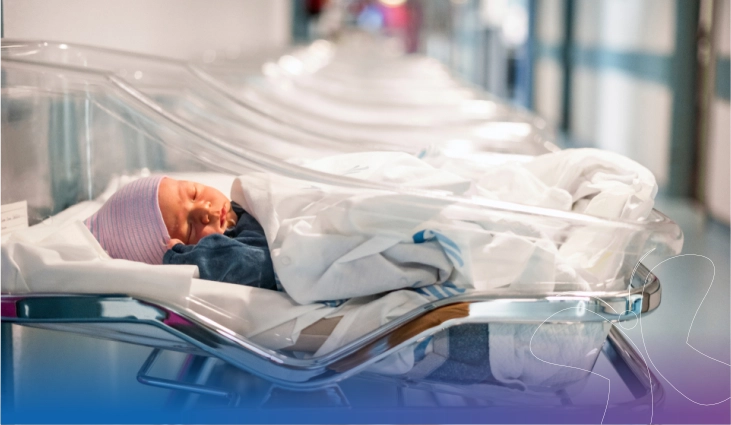
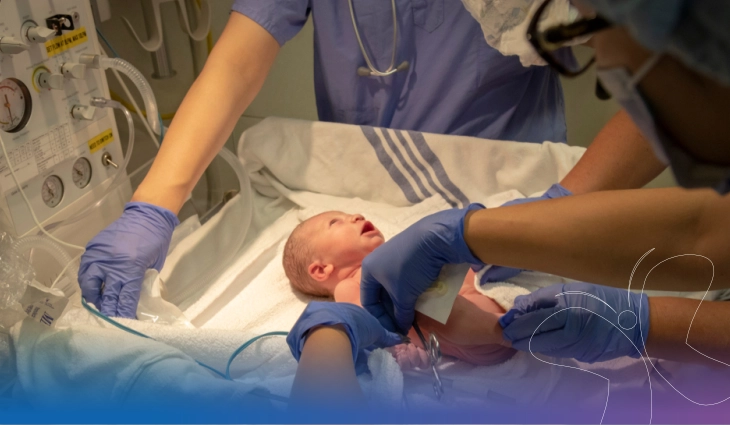
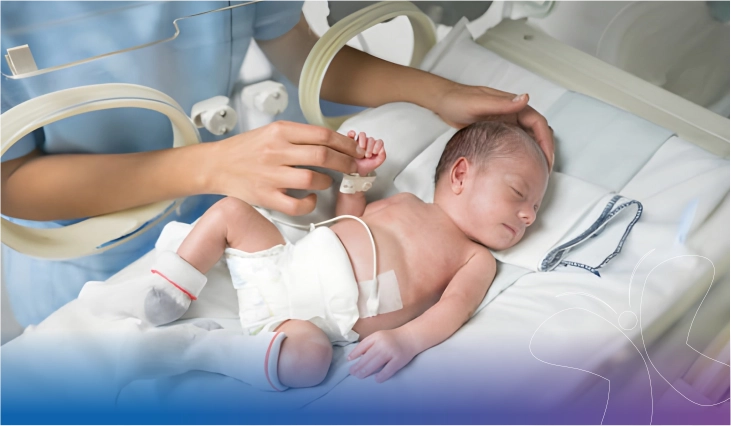
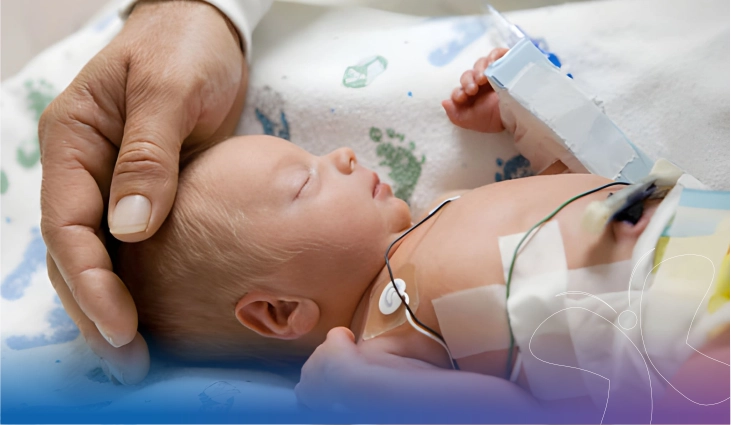
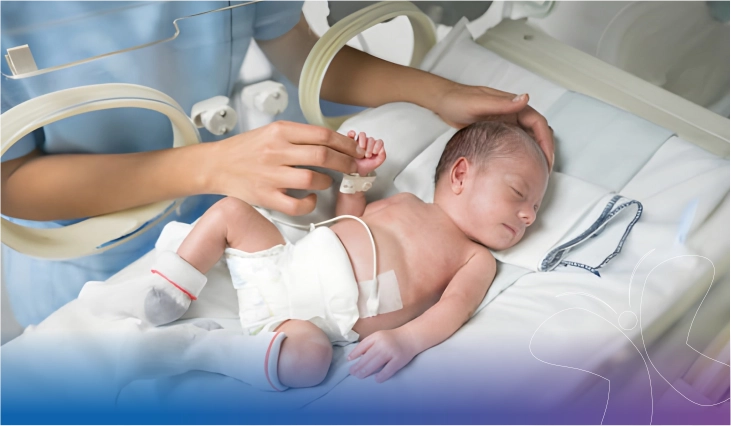
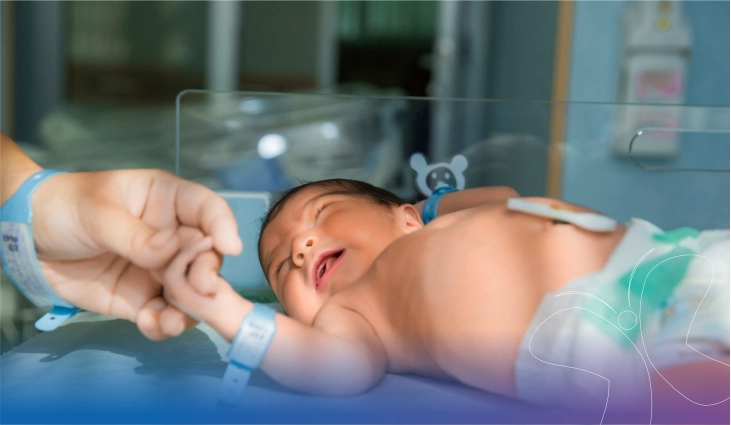
Knowing the early signs of premature delivery and NICU care that follow is equally helpful. Some premature babies need only a short period of observation, while others need a stay in the Neonatal Intensive Care Unit. Babies who typically need neonatal care include:
-
Those born before roughly thirty-four weeks
-
Those weighing under about 1.8 to 2 kilograms
-
Any baby who has trouble breathing, keeping warm, feeding or maintaining sugar levels
In the NICU, babies receive:
-
Breathing support, such as oxygen, CPAP or a ventilator when needed
-
A warm incubator
-
Monitoring of heart rate and oxygen levels
-
Tube or cup feeding
-
Treatment for jaundice
-
Protection from infection
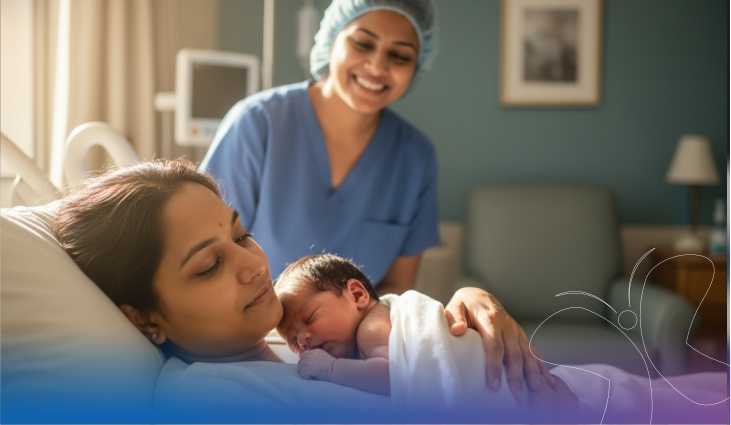
Kangaroo mother care, with skin-to-skin contact on the mother's chest, is strongly encouraged as soon as the baby is stable, because it improves temperature control, breastfeeding and bonding. Parents are an important part of the care team.
Can Preterm Birth Be Prevented?
Not always, but you can lower the chance. Attend all antenatal visits, treat urinary infections promptly, control blood pressure and diabetes, avoid tobacco, and let your doctor know about any previous preterm birth. In selected women, a cervical stitch or vaginal progesterone may be recommended after assessment.
Conclusion
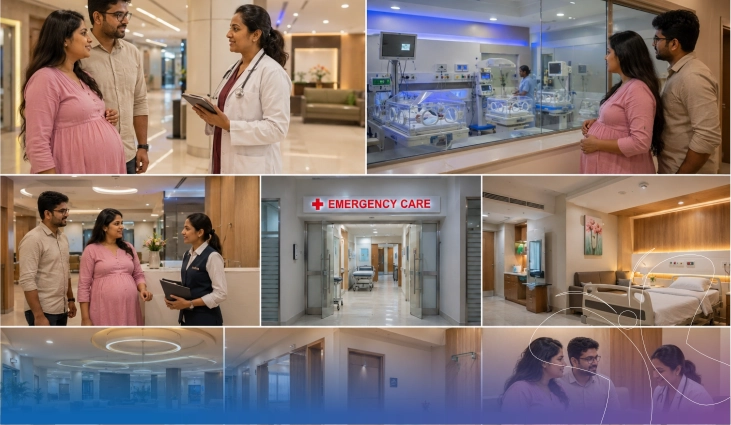
Preterm labour is frightening, but early action makes a real difference. Recognising the signs, reaching a hospital quickly and delivering where neonatal care is available give your baby the best start. Flowrence Hospital, Rajkot, provides obstetric care with neonatal support for premature and high-risk deliveries. If you are looking for the best hospital for premature delivery in Rajkot, our team is ready to assess you promptly. Visit Flowrence Hospital to contact us.