Introduction
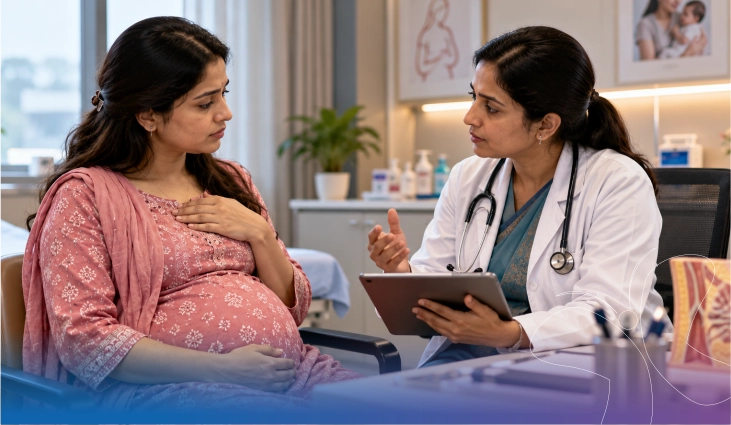
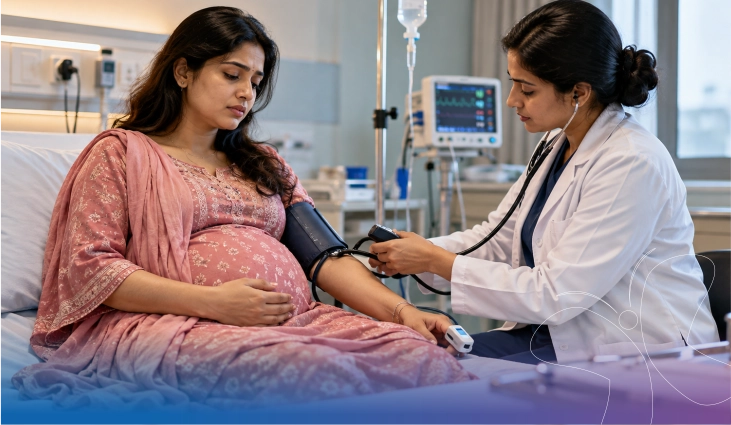
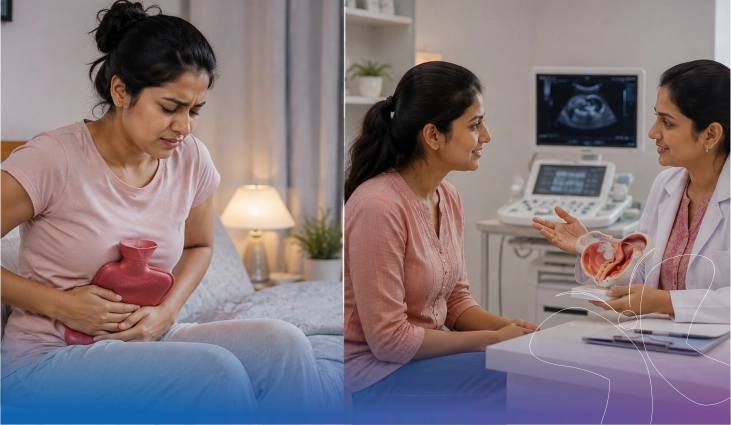
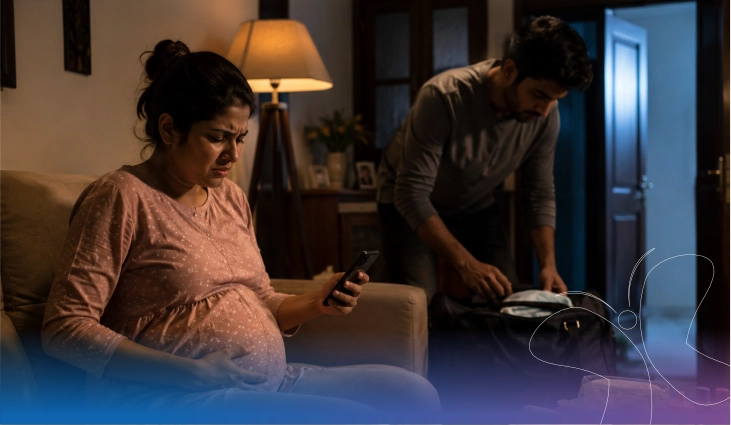
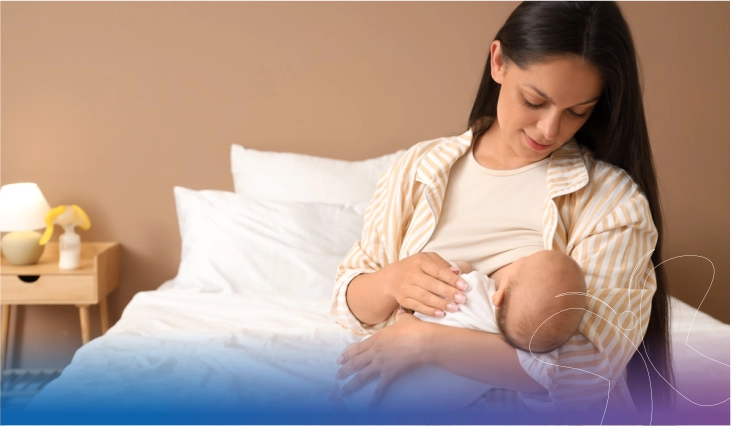
New mothers are used to aches and pains, so a sudden, severe pain in the upper abdomen after a meal is easy to dismiss as gas or acidity. In some women, it is actually a gallstone attack. Gallstones after pregnancy are more common than most people realise, and while many are harmless, some need proper treatment. Understanding why they occur and when surgery is advised helps you act at the right time.
Why Gallstones Form During and After Pregnancy
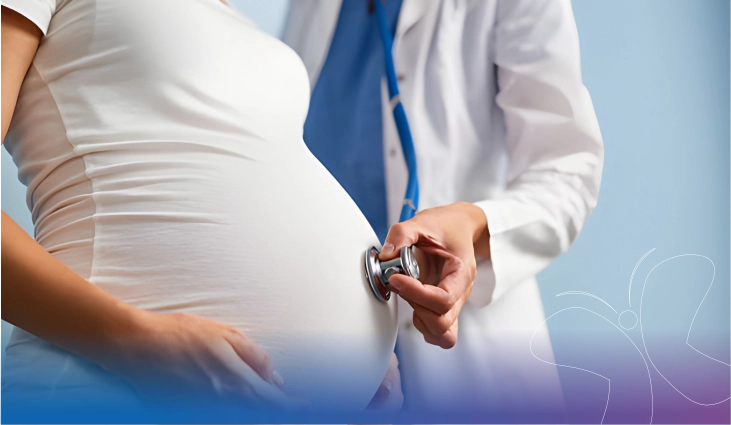
The gallbladder stores bile, a fluid that helps digest fat. During pregnancy, high oestrogen levels increase the amount of cholesterol in the bile, while progesterone relaxes the gallbladder muscle so it empties slowly. Bile that is rich in cholesterol and sits for long periods can form sludge, and then stones. Studies show that biliary sludge appears in a notable share of pregnant women, and a smaller percentage develop true stones.
After delivery, hormone levels fall and sludge resolves in many women, but stones that have formed may remain and cause symptoms later. Rapid weight loss after delivery, crash dieting, repeated pregnancies, a family history of gallstones, obesity and diabetes raise the risk further.
How Pregnancy Sets the Stage for Stones
So why gallstones are common after pregnancy is a fair question. In simple terms, pregnancy creates a perfect set of conditions: more cholesterol in bile, slower gallbladder emptying and changes in weight and diet. Add the physical and hormonal stress of delivery and the shift in eating patterns during the postpartum period, and stones that were silent can begin to give trouble. Many women first notice symptoms within months of delivery.
Gallbladder Stone Symptoms After Childbirth
The typical gallbladder stone symptoms after childbirth are:
-
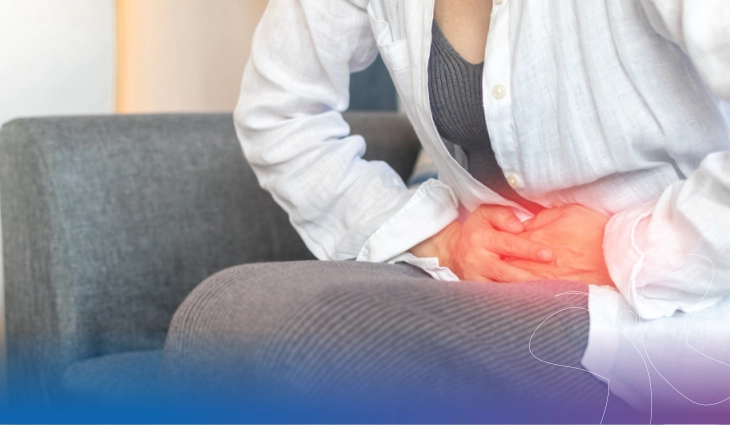
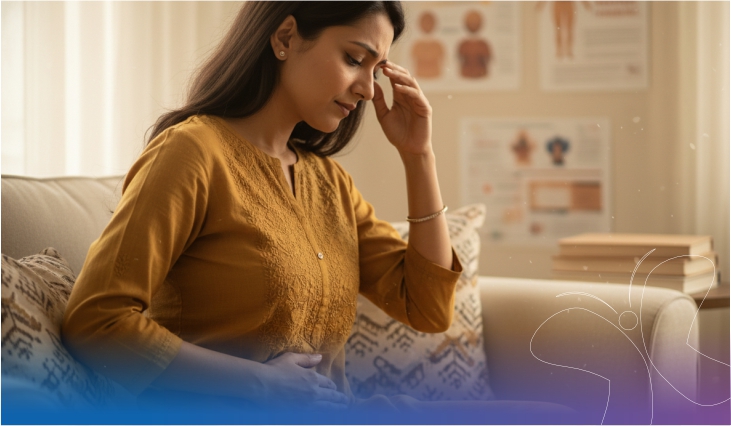
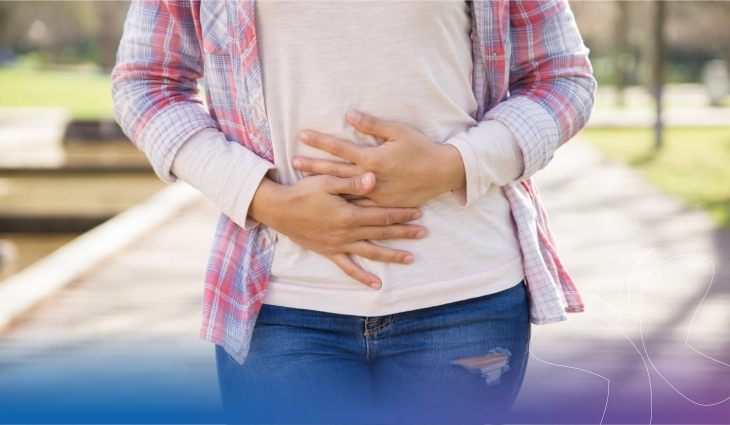
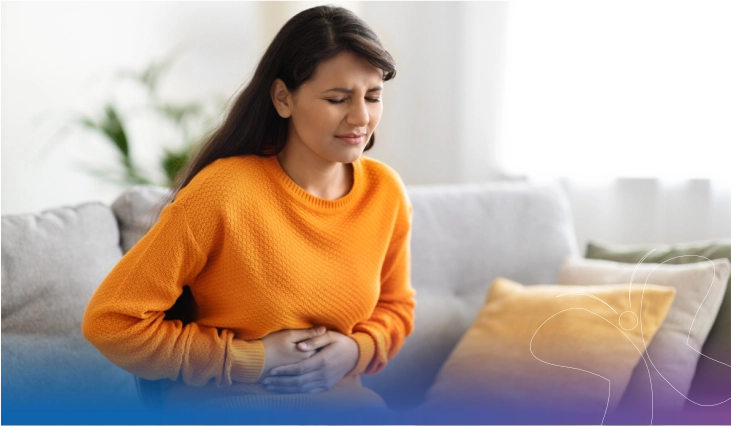
A steady pain in the upper right or central upper abdomen that begins suddenly, often after a fatty or heavy meal or at night
-
Pain lasting from thirty minutes to several hours
-
Pain spreading to the right shoulder blade or the back
-
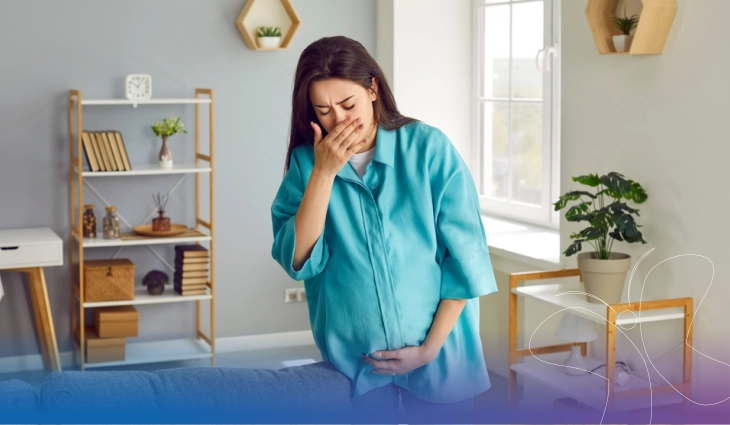
Nausea and vomiting
-
Bloating and belching
Between attacks, many women feel completely well, which is why the problem is sometimes missed. Some women have no symptoms at all and discover stones by chance on an ultrasound. These "silent" stones usually do not require treatment.
Gallstone Complications That Need Urgent Care
Seek urgent medical help if you have any of these:
-
Pain lasting more than five or six hours
-
Fever or chills
-
Yellowing of the eyes or skin
-
Dark urine or pale stools
-
Persistent vomiting
-
Severe pain that makes you unable to sit still
These can signal an infected or inflamed gallbladder, a stone blocking the bile duct or inflammation of the pancreas. All are serious but treatable if caught early. Breastfeeding mothers should not delay care because of worries about the baby, since treatment can be planned with feeding in mind.
How Gallstones Are Diagnosed
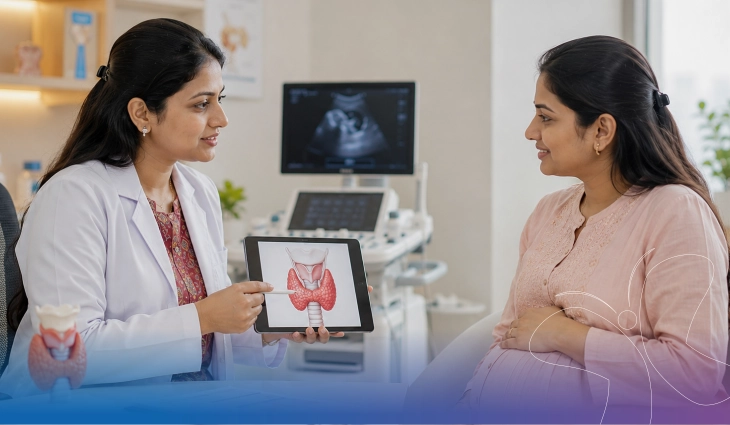
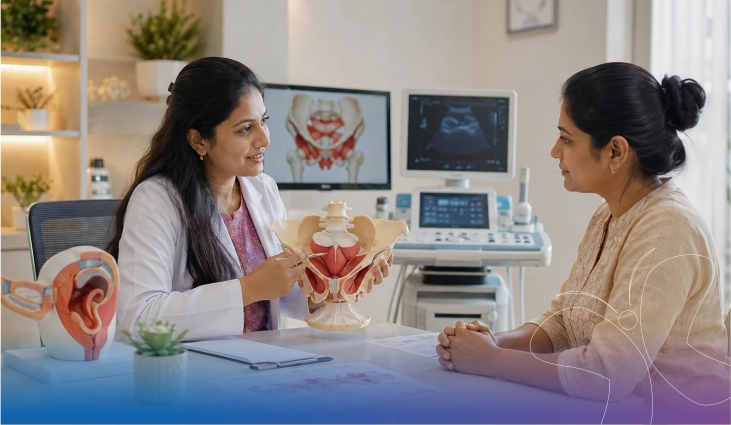
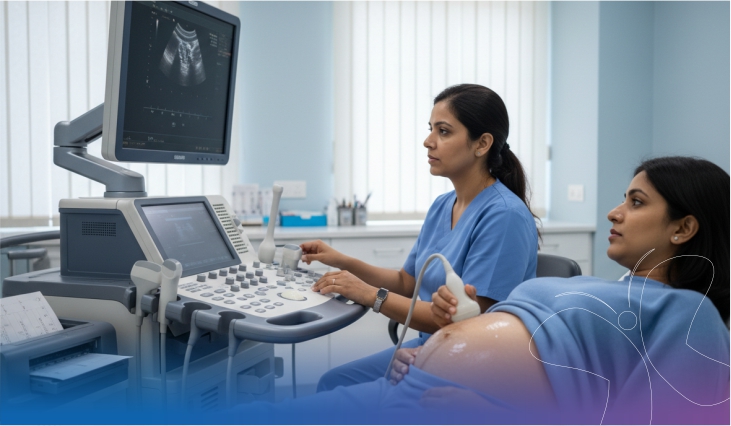
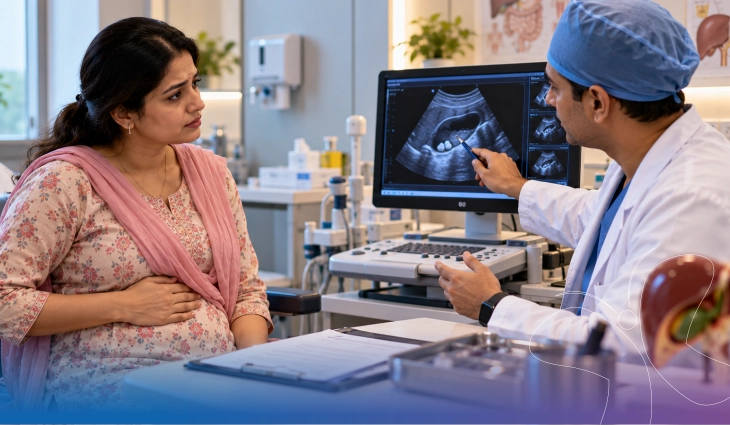
Diagnosis is usually straightforward. An abdominal ultrasound is the main test and is safe for breastfeeding mothers. Blood tests check liver function, bilirubin and pancreatic enzymes, and additional imaging may be advised if a stone is suspected in the bile duct.
Managing Gallstones Without Surgery
If you have stones but no symptoms, regular follow-up is usually enough. For occasional mild episodes, these measures help:
-
Eat smaller, low-fat meals
-
Avoid fried and oily foods
-
Stay hydrated
-
Use pain relief and anti-sickness medicines during an attack, chosen carefully for breastfeeding mothers
-
Aim for gradual postpartum weight loss and avoid crash diets, since rapid loss increases stone formation
No medicine or home remedy reliably dissolves stones in a safe and predictable way.
When Is Surgery Required?
Surgery is advised when stones cause:
-
Repeated attacks of pain
-
Gallbladder inflammation
-
A stone in the bile duct
-
Pancreatitis
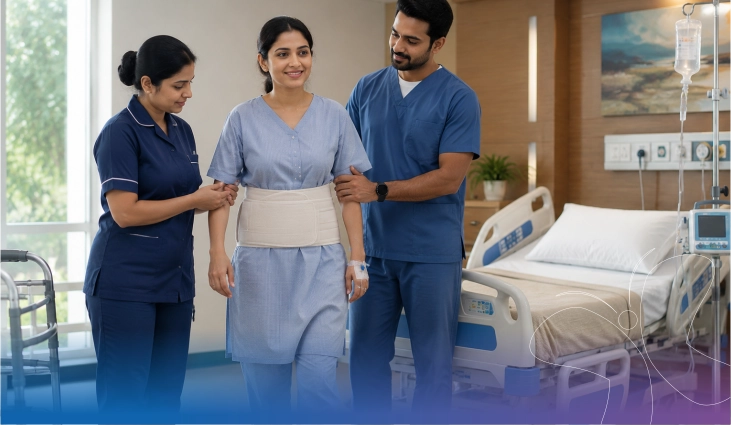
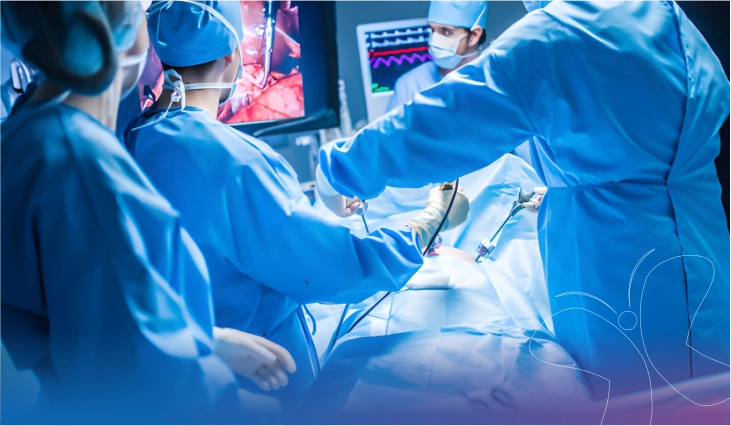
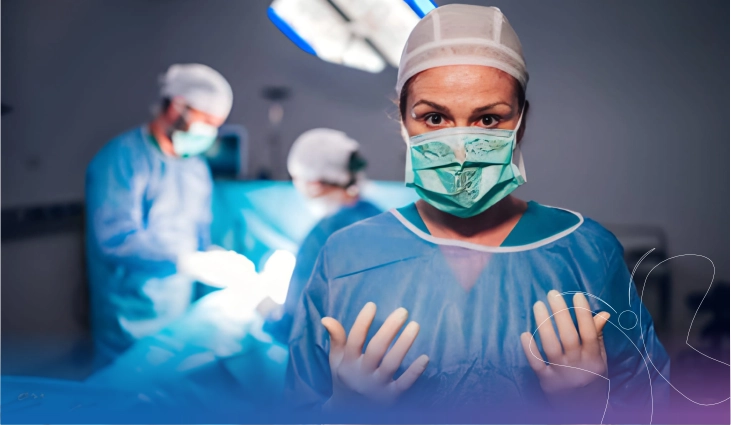
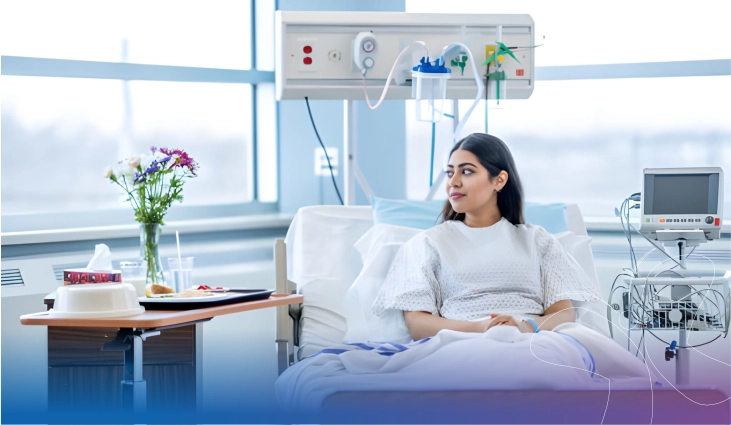
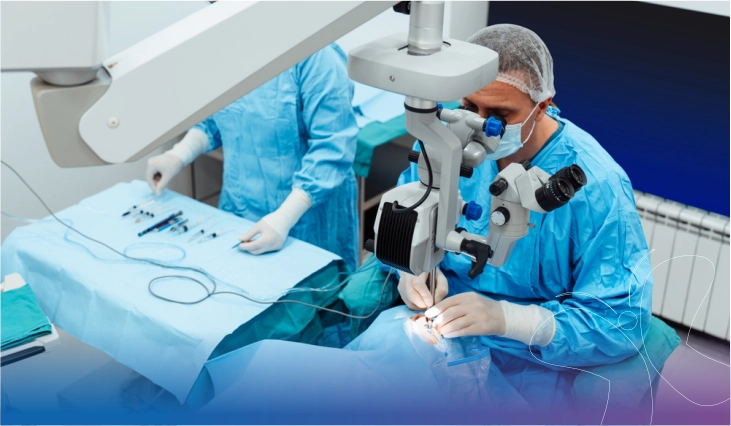
The standard treatment is laparoscopic cholecystectomy, removal of the gallbladder through several small incisions using a camera. It is one of the most commonly performed operations in the world, with a short hospital stay of usually one to two days and a return to daily activities within a week or so. Life without a gallbladder is normal for most people, as the liver continues to produce bile, though some may need lighter meals at first.
Many new mothers worry about surgery with a young baby. The surgery is planned, and with proper support at home, mothers can usually resume breastfeeding soon after anaesthesia wears off, as advised by the anaesthetist.
Conclusion
Gallstones after pregnancy are common, well understood and very treatable. Pay attention to recurring upper abdominal pain, do not ignore warning signs, and ask for an ultrasound rather than assuming it is acidity. Flowrence Hospital, Rajkot, offers evaluation and treatment of gallstones, including minimally invasive surgery when needed. If you are looking for the best laparoscopic surgeon for gallstones in Rajkot, begin with a consultation so your symptoms, scan and options can be reviewed together. Visit Flowrence Hospital to book an appointment.