Introduction
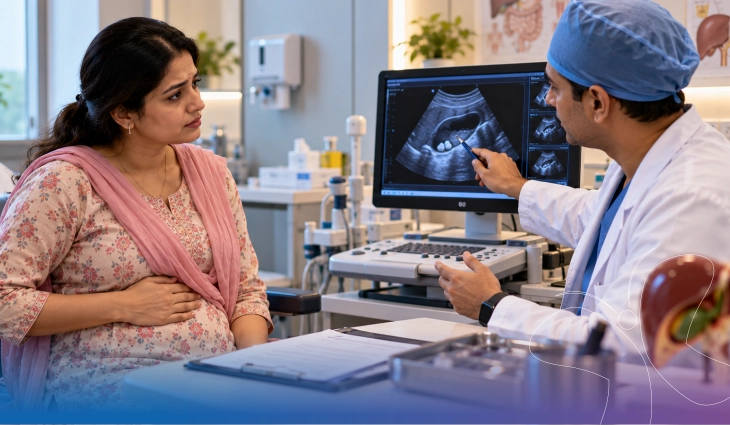
Pregnancy requires careful attention throughout the year, but winter months bring a specific set of challenges that expectant mothers and their families need to be prepared for. Respiratory infections circulate more freely in cold weather, vitamin D synthesis slows, and dehydration risk is often underestimated because thirst signals are less obvious in cooler temperatures. Understanding what Winter Pregnancy Care actually involves beyond just wearing warm clothes helps families approach the season with the right precautions and the right specialist support in place.
Why Winter Requires Extra Attention During Pregnancy
The immune system during pregnancy operates in a modified state to protect the developing baby from being rejected, which also makes the mother more susceptible to infections. Influenza and other respiratory viruses peak in winter, and pregnant women who contract influenza face a higher risk of serious complications pneumonia, preterm labour, and hospitalisation than non-pregnant adults of the same age. Cold, dry air also dries out mucous membranes, which reduces the body's first line of defence against airborne pathogens.
Vitamin D deficiency is already widespread across India, and winter reduces sun exposure further. Adequate vitamin D during pregnancy supports foetal bone development and immune function and has been associated with a lower risk of gestational complications. A blood test early in winter helps identify whether supplementation is needed.
Essential Tests During Winter Pregnancy
Routine antenatal checks that continue regardless of season
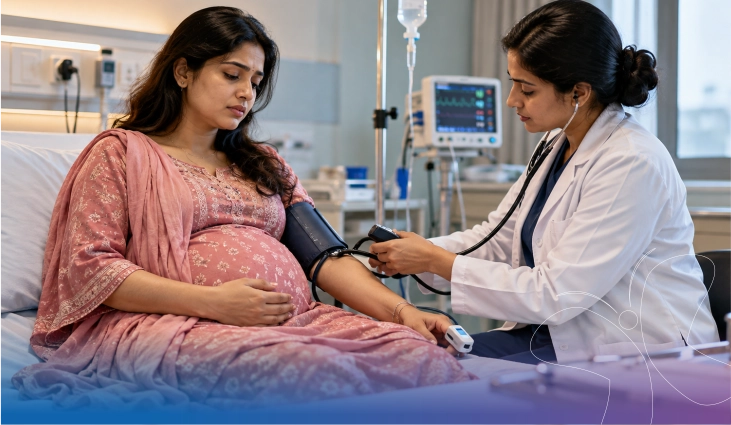
Blood pressure monitoring, urine protein testing, foetal growth assessment, and fundal height measurement are standard at every antenatal visit. These don't change with the season but become more important during winter when symptoms like headache, swelling, and fatigue can be masked by or confused with cold-weather complaints.
Haemoglobin and iron studies
Anaemia worsens in winter partly because dietary patterns change and partly because cold affects circulation. Haemoglobin below the threshold appropriate for the trimester requires iron supplementation and closer monitoring, particularly in the third trimester when foetal iron stores are being built.
Vitamin D levels
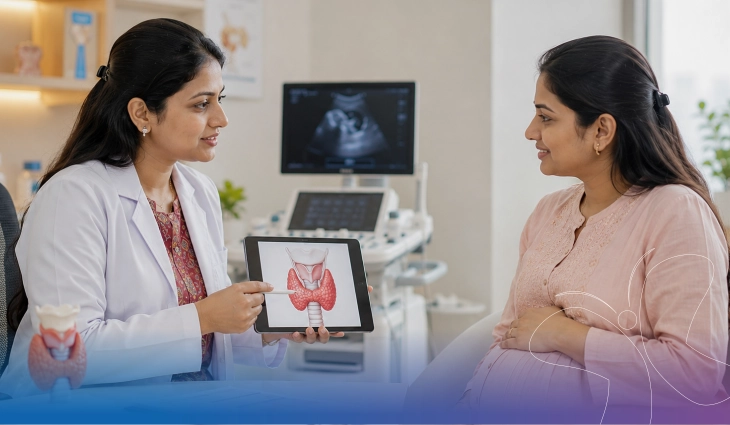
A 25-OH vitamin D blood test identifies deficiency. Supplementation dosing depends on the result. Guesswork supplementation without testing either under-corrects or, at high doses, causes problems. A pregnancy care specialist in Rajkot routinely includes vitamin D assessment in the antenatal panel for women seen during the winter months.
Blood sugar monitoring
Gestational diabetes screening, glucose challenge test or oral glucose tolerance test is standard in the second trimester but should be revisited if symptoms develop later. Winter dietary changes, including increased consumption of calorie-dense foods, can affect blood sugar control in women already managing gestational diabetes.
Growth scan and foetal wellbeing assessment
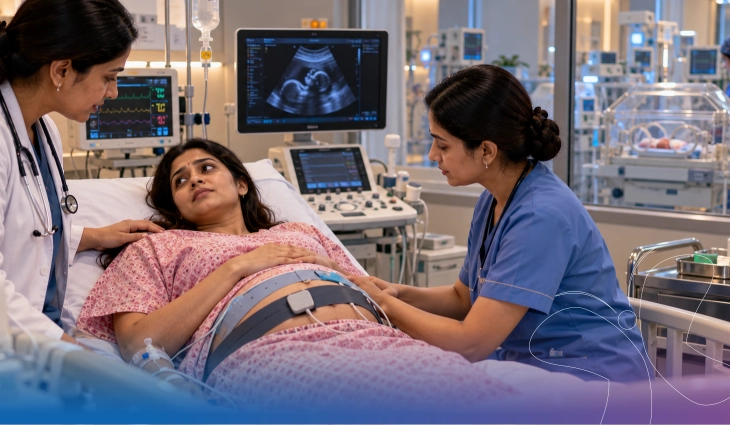
Third trimester growth scans assess foetal size, amniotic fluid volume, and placental function. These are not specifically winter tests, but any concern about reduced foetal movement, which can be harder to assess when a mother is bundled in layers and less aware of subtle movement, should prompt a prompt scan rather than reassurance at home.
Practical Precautions for Winter Pregnancy
-
Get the influenza vaccine: it is safe in pregnancy and recommended in any trimester. It protects both mother and newborn, who inherit maternal antibodies
-
Stay warm, but avoid overheating: very hot baths or electric blankets can raise core temperature, which is not advisable in the first trimester
-
Drink water consistently even when you don't feel thirsty: Dehydration in winter is common because thirst signals are blunted by cold
-
Maintain safe footwear on cold, potentially slippery surfaces: falls in late pregnancy carry specific risks that don't apply to the same extent in other adults
-
Maintain indoor air quality: use warm but ventilated rooms rather than fully sealed spaces where respiratory viruses recirculate
-
Report any respiratory symptoms: fever, breathlessness, or persistent cough during pregnancy warrants medical assessment, not home management
-
Don't skip antenatal appointments because the weather is cold: the risk of missing a developing complication outweighs the inconvenience of travel
Warning Signs That Need Immediate Attention
Whatever the season, the following always require same-day assessment:
-
Fever above 38°C
-
Reduced or absent foetal movement
-
Severe headache or visual disturbances
-
Significant swelling of the face or hands
-
Vaginal bleeding or fluid leakage
-
Chest pain or difficulty breathing
-
Uterine tightening or pain before 37 weeks
Conclusion
Winter pregnancy care is not fundamentally different from year-round antenatal care. The same principles of regular monitoring, good nutrition, adequate hydration, and prompt assessment of concerning symptoms apply in every season. What winter adds is specific attention to infection prevention, vitamin D status, and the practicalities of staying safe and warm without compromising maternal or foetal wellbeing. Flowrence Hospital in Rajkot provides comprehensive antenatal care across all trimesters, with specialist obstetric support for any pregnancy concern that arises through the colder months. For expectant mothers looking for the best maternity hospital in Rajkot, Flowrence Hospital offers the clinical expertise and monitoring infrastructure that both routine and high-risk pregnancies require.