Introduction
Gestational diabetes develops during pregnancy when the body cannot produce enough insulin to meet the increased demands that pregnancy places on glucose metabolism. It is more common than many women expect particularly in India, where genetic susceptibility to insulin resistance is higher than in many other populations. The condition rarely causes obvious symptoms, which is why screening is done for all pregnant women rather than only those who feel unwell. Recognising the warning signs and accessing timely gestational diabetes treatment in Rajkot protects both mother and baby from complications that are largely preventable with proper management.
Why Gestational Diabetes Matters
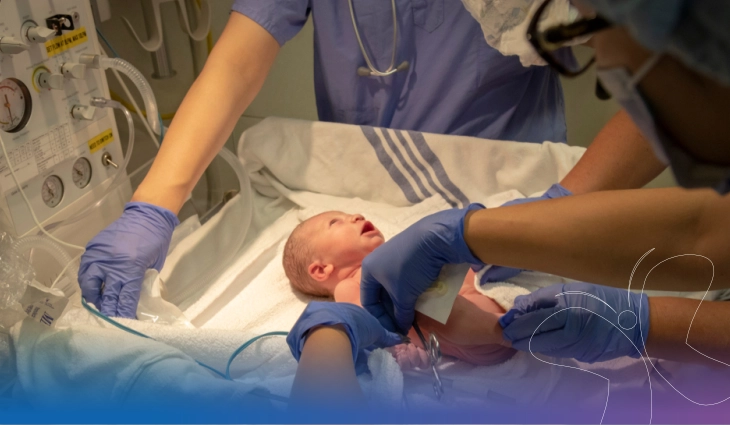
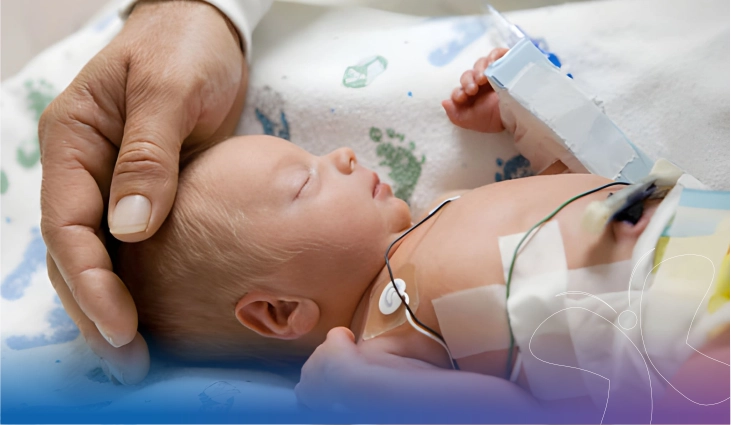
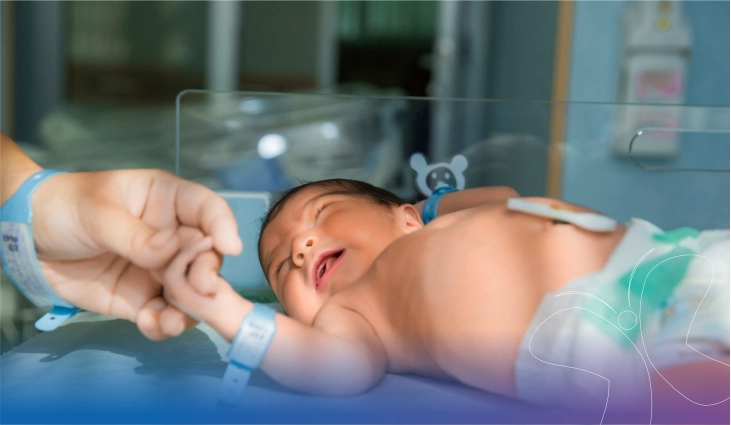
Uncontrolled blood sugar during pregnancy affects foetal development in specific, well-documented ways. Excess glucose crosses the placenta, causing the baby's pancreas to produce more insulin, which drives excessive foetal growth — a condition called macrosomia. Large babies are associated with difficult deliveries, shoulder dystocia, and birth injuries. Babies of mothers with uncontrolled gestational diabetes are also at risk of low blood sugar after birth, respiratory problems, and a higher long-term risk of developing type 2 diabetes themselves.
For the mother, unmanaged gestational diabetes raises the risk of preeclampsia, caesarean delivery, and — most significantly — type 2 diabetes developing within five to ten years after the pregnancy. Early identification and management through a Diabetes Test During Pregnancy programme changes these outcomes meaningfully.
Warning Signs to Be Aware Of
Most women with gestational diabetes have no symptoms — which is precisely why screening is universal. When symptoms do appear, they reflect the same pattern as type 2 diabetes:
• Excessive thirst that isn't explained by heat or activity level
• More frequent urination than expected for the trimester
• Unusual fatigue beyond what pregnancy normally produces
• Blurred vision not explained by the normal visual changes of pregnancy
• Recurrent urinary or vaginal infections
• Baby measuring larger than expected on growth scans
None of these alone confirms gestational diabetes — they are all common in pregnancy for other reasons. But their combination or persistence is a reason to bring the blood sugar test forward rather than waiting for the routine screening window.
Diagnosis: Which Tests Are Done
Glucose Challenge Test
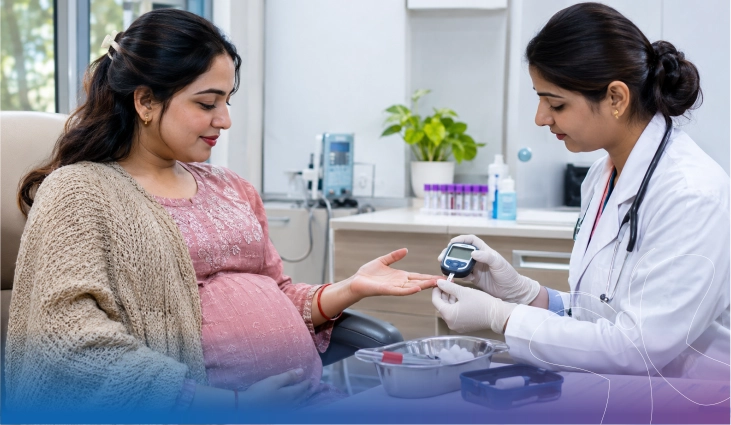
The standard screening test a glucose challenge test is done between 24 and 28 weeks of pregnancy. A glucose solution is drunk, and blood sugar is measured one hour later. No fasting is required. If the result is above the threshold, a confirmatory test follows.
Oral Glucose Tolerance Test
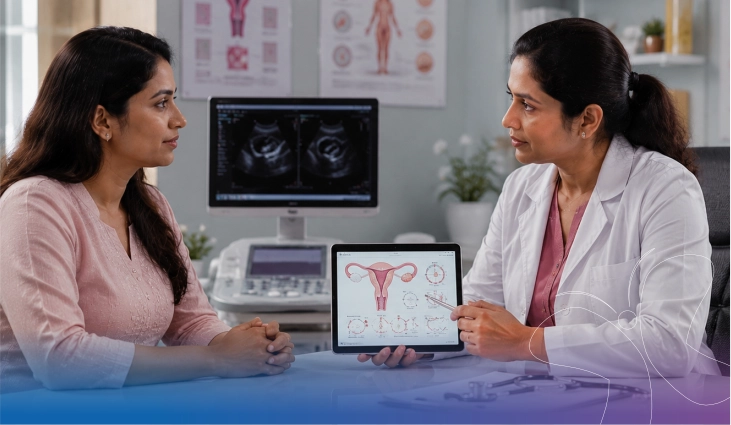
The oral glucose tolerance test requires fasting overnight. Blood sugar is measured fasting and then one hour and two hours after a glucose drink. Two or more abnormal readings confirm gestational diabetes. A gestational diabetes specialist in Rajkot will interpret these results in the context of the full clinical picture a single borderline reading does not automatically mean gestational diabetes requires insulin.
HbA1c
In women at high risk of previous gestational diabetes, strong family history of diabetes, obesity, PCOS, and HbA1c may be checked at the first antenatal visit to identify pre-existing undiagnosed diabetes rather than specifically gestational diabetes.
Treatment and Management
Dietary modification
The first line of management is a carbohydrate-controlled diet — not a low-carbohydrate diet, but one that spaces carbohydrate intake across meals and avoids large glucose loads from refined foods and sugary drinks. A dietitian with experience in gestational diabetes provides practical meal planning guidance rather than generic dietary advice.
Blood sugar monitoring
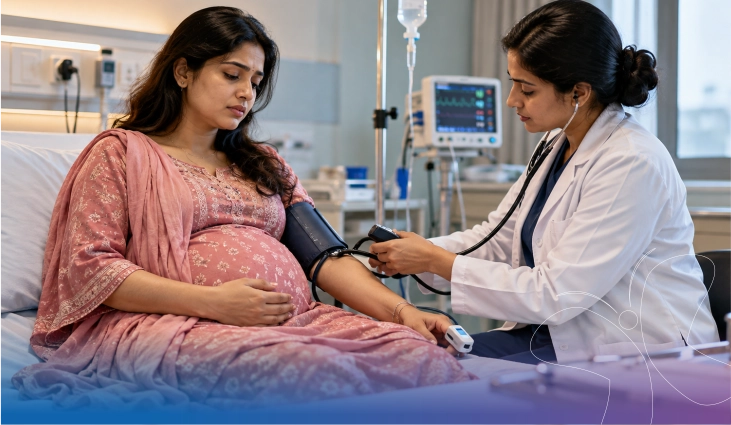
Self-monitoring of blood glucose — typically fasting and one to two hours after meals — tracks whether dietary management is achieving target levels. The monitoring record provides the data a specialist uses to decide whether medication is needed.
Medication
When blood sugar targets are not met with diet and activity modification alone, medication is started. Insulin remains the most commonly used option in pregnancy, as it does not cross the placenta. Metformin is used in some clinical settings. The decision and dosing are managed by the obstetric and diabetes team together.
Foetal monitoring
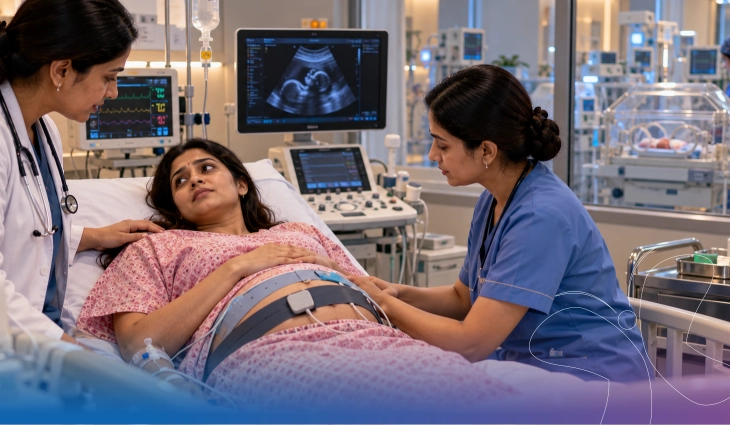
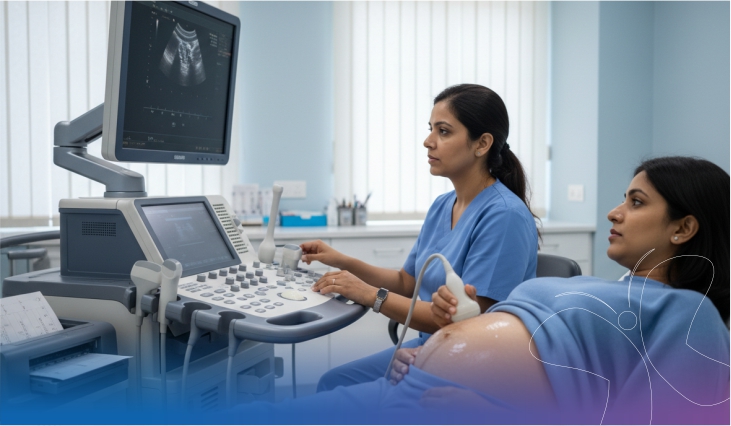
Women with gestational diabetes have more frequent growth scans in the third trimester to monitor foetal size and amniotic fluid volume. The timing and mode of delivery may be discussed earlier if foetal growth is above the normal range.
After Delivery
Blood sugar typically normalises after delivery — gestational diabetes resolves when the placenta, which produces the hormones driving insulin resistance, is delivered. However, a postnatal glucose tolerance test at six weeks is recommended to confirm resolution, and long-term annual blood sugar checks are advised given the significant risk of type 2 diabetes developing later.
Conclusion
Gestational diabetes is common and manageable, and when identified and treated properly, it has excellent outcomes for both mother and baby. The key is screening monitoring, and adjusting management when dietary control alone is insufficient. Flowrence Hospital provides obstetric and diabetes specialist co-management for gestational diabetes, with dietary counselling, blood sugar monitoring guidance, and foetal wellbeing assessment integrated into the antenatal care plan. For women looking for a gestational diabetes specialist in Rajkot, it offers the specialist and monitoring infrastructure that gestational diabetes management requires.