Introduction
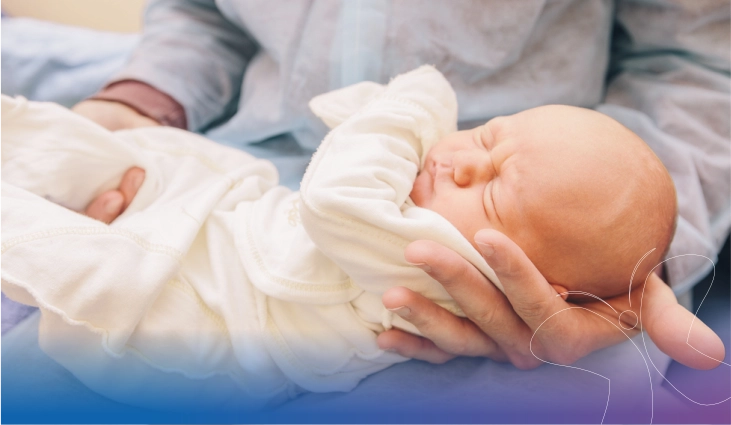
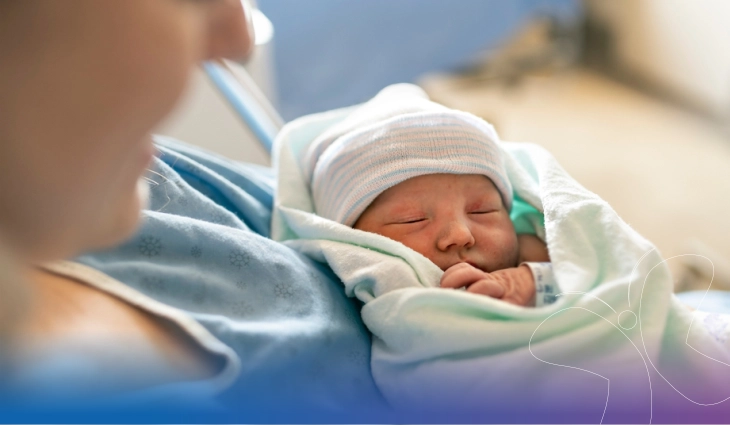
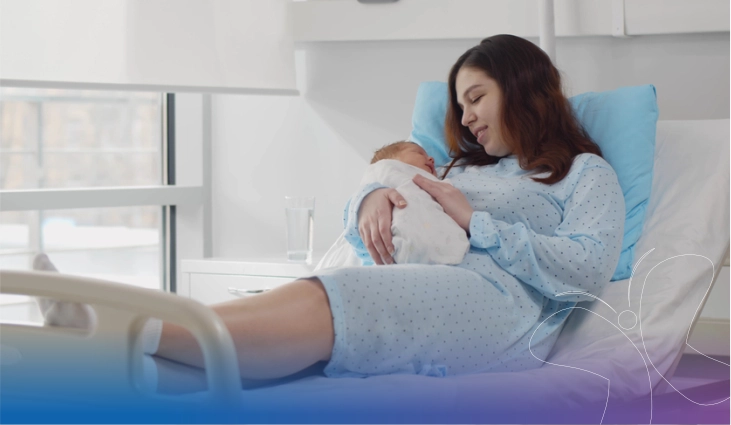
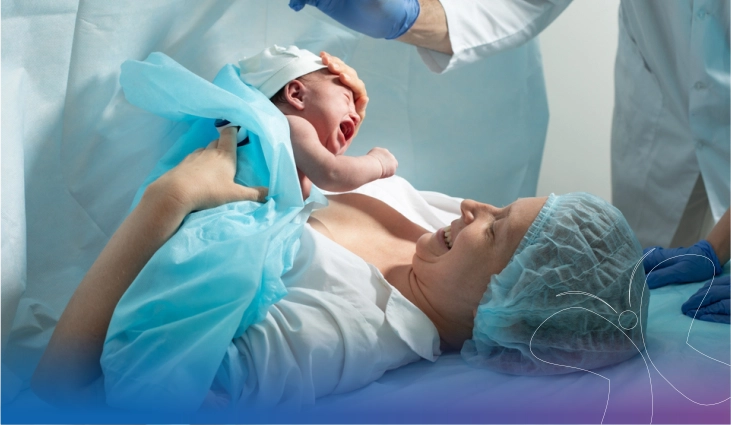
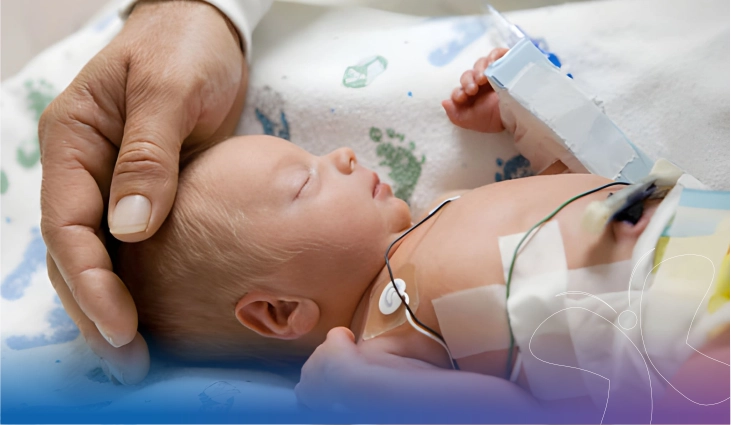
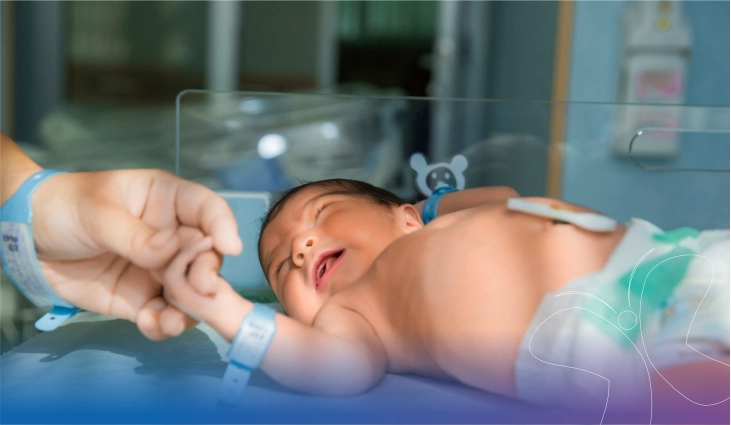
Jaundice in a newborn is one of the most common reasons parents find themselves back in hospital within days of going home. The yellowing of the skin and eyes can look alarming, but in most cases it is a normal physiological response to the transition from foetal to newborn life. The challenge for parents and for healthcare providers is distinguishing the common, self-resolving form from the less common but potentially serious form that needs immediate treatment. Understanding newborn jaundice treatment in Rajkot, what it involves, when it is truly necessary, and what bilirubin levels trigger action helps parents navigate those first anxious days with more confidence.
Why Newborns Develop Jaundice
Bilirubin is a yellow pigment produced when red blood cells break down. Before birth, the placenta clears bilirubin from the baby's blood. After birth, the newborn's liver takes over this function, but the newborn liver needs a few days to mature and handle the workload efficiently. In the meantime, bilirubin accumulates and deposits in the skin, producing the characteristic yellow colour. This physiological jaundice affects most newborns to some degree and typically peaks between day two and day four before resolving without intervention by day ten to fourteen.
In some babies, bilirubin rises higher or faster than expected because of blood group incompatibility between mother and baby, prematurity, excessive bruising at birth, breastfeeding difficulties causing dehydration, or underlying conditions affecting red blood cell breakdown. High bilirubin left unchecked can cross into the brain and cause a serious and preventable condition called kernicterus which is why monitoring and timely treatment matter.
How to Identify Jaundice in a Newborn
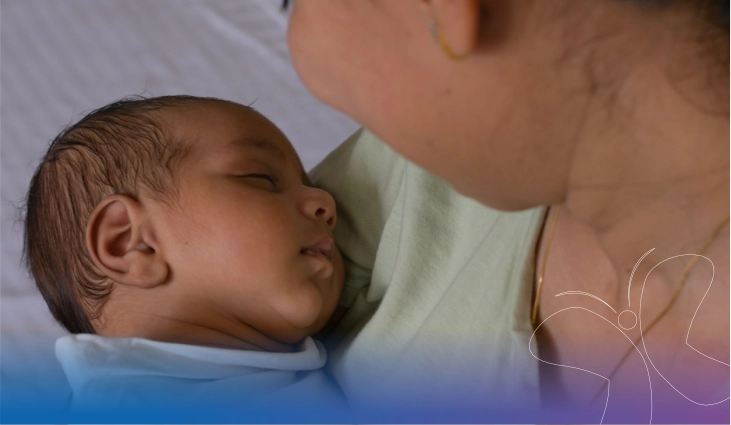
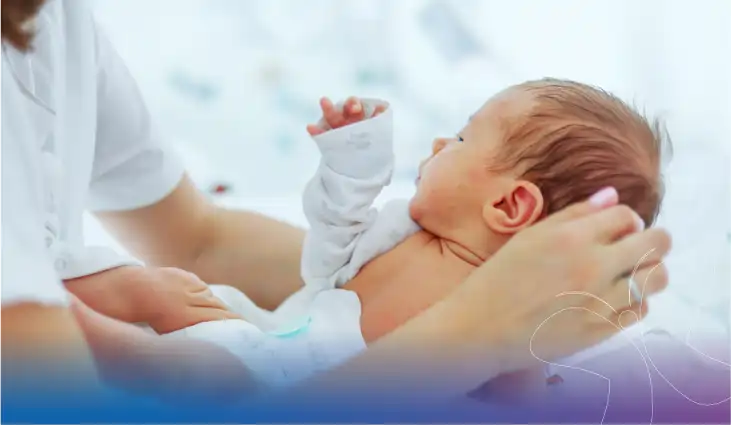
The yellowing of jaundice typically first appears in the face and then moves downward to the chest, abdomen, and limbs as bilirubin levels rise. Checking in natural daylight is more reliable than artificial light, which can mask or exaggerate the colour.
-
Yellow tinge to the whites of the eyes (sclera)
-
Yellow skin starting from the face and spreading downward
-
Unusual sleepiness — a jaundiced baby may be harder to wake for feeds
-
Poor feeding or weak sucking
-
Dark-coloured urine — newborn urine should be pale or colourless
-
Pale or clay-coloured stools — normal newborn stools are yellow or green; pale stools suggest a liver problem requiring urgent assessment
Bilirubin Testing — What Is Done
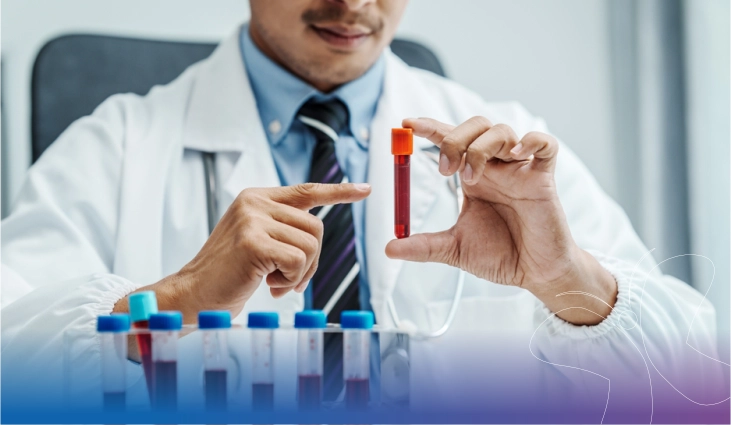
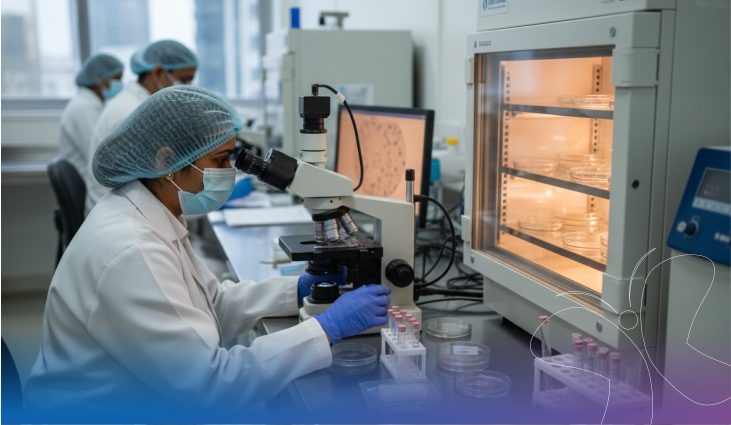
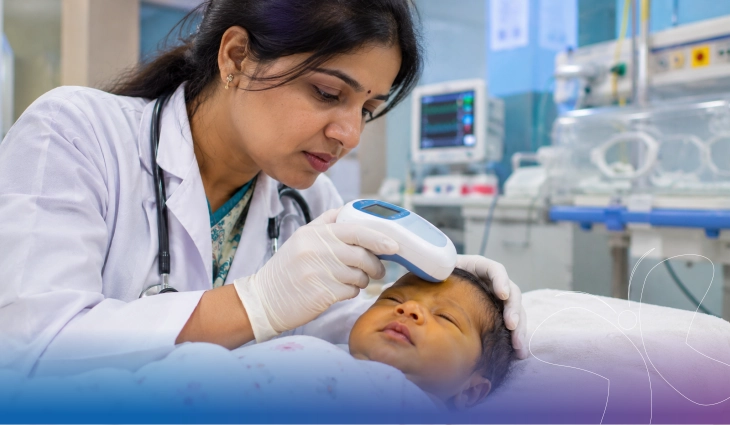
A newborn bilirubin test in Rajkot can be done in two ways. Transcutaneous bilirubinometry uses a device placed on the baby's skin to estimate bilirubin non-invasively. It is quick, painless, and good for screening. When the transcutaneous reading is above a threshold, a serum bilirubin test from a blood sample confirms the level accurately. The result is plotted on a nomogram — a chart that compares the bilirubin level against the baby's age in hours. This age-adjusted approach is more meaningful than a single number, because bilirubin that is acceptable at 48 hours may be concerning at 24 hours.
When Is Treatment Needed?
Phototherapy
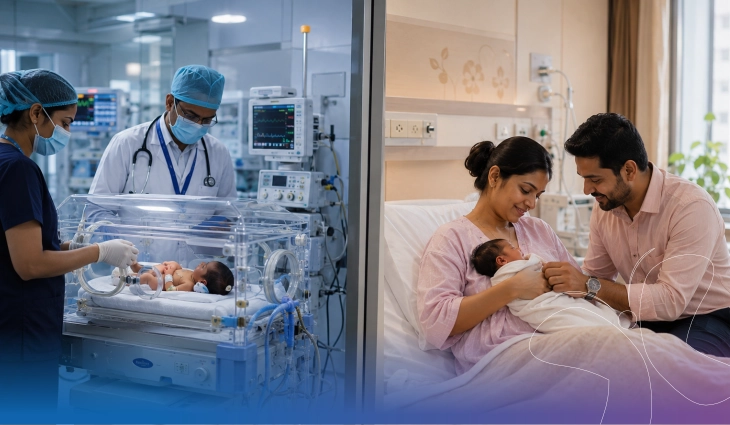
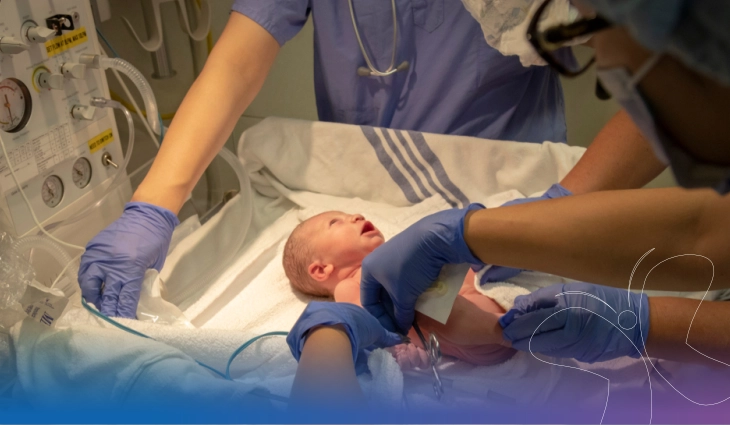
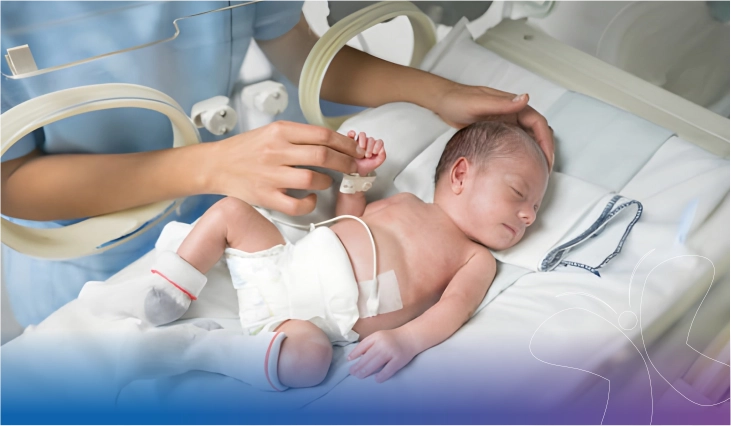
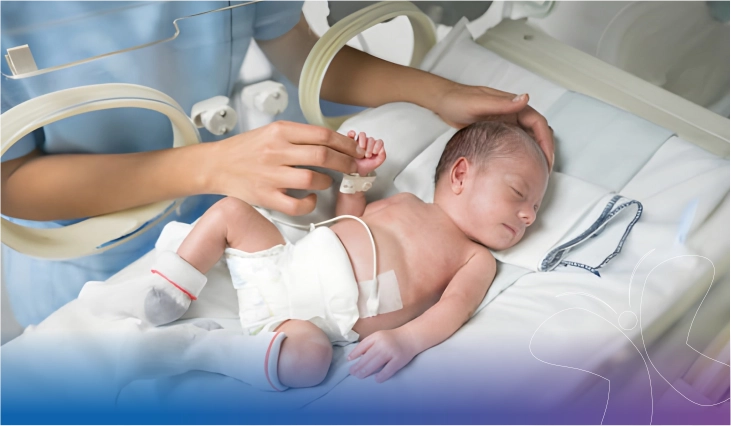
Phototherapy placing the baby under a special blue light converts bilirubin in the skin into a form that can be excreted without liver processing. It is effective, safe, and the standard first treatment for significant neonatal jaundice. The baby lies under the light with eyes protected, and bilirubin levels are rechecked after a period to confirm the response. Feeding continues during phototherapy, adequate hydration supports bilirubin excretion.
Exchange transfusion
When bilirubin rises to critically high levels despite phototherapy, typically in severe blood group incompatibility, an exchange transfusion replaces the baby's blood with donor blood to rapidly lower bilirubin. This is a hospital procedure performed in a neonatal unit and is now uncommon due to earlier detection and phototherapy.
Treating the underlying cause
Where jaundice is driven by a specific cause, ABO or Rh incompatibility, G6PD deficiency, hypothyroidism, or a liver problem, treatment addresses both the bilirubin level and the underlying condition.
When to Seek Immediate Medical Attention
-
Jaundice appearing within 24 hours of birth — this is never physiological and needs urgent investigation
-
Jaundice spreading to the legs and feet rapidly
-
A baby who cannot be roused for feeds or feeds very poorly
-
High-pitched or unusual crying
-
Pale or white stools at any time
-
Jaundice persisting beyond two weeks in a term baby or three weeks in a premature baby
Conclusion
Newborn jaundice is common, but not all jaundice is the same and not all of it resolves without help. Early identification, timely bilirubin testing, and prompt phototherapy when levels cross treatment thresholds prevent the rare but serious complications of high bilirubin. Flowrence Hospital in Rajkot provides complete newborn assessment and neonatal jaundice management, with bilirubin testing and phototherapy available for babies who need treatment in the first days of life. For families looking for the best pediatrician for newborn jaundice in Rajkot, Flowrence Hospital offers experienced paediatric and neonatal care from the first day of life.