Introduction
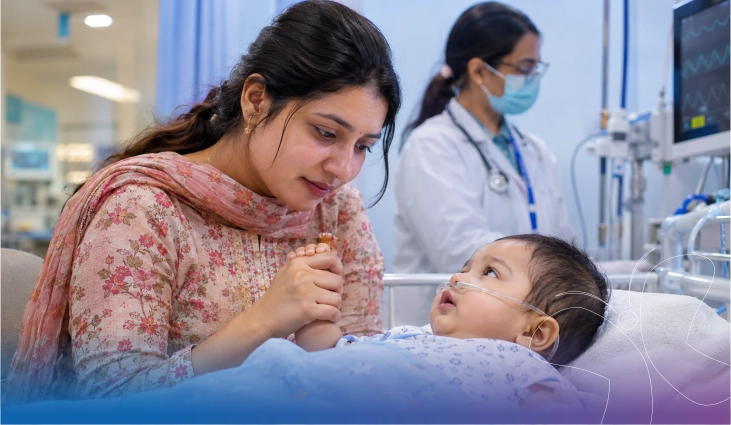
Respiratory syncytial virus (RSV) is not a name most parents recognise until their baby is struggling to breathe and someone in the paediatric ward mentions it. It is, however, the single most common cause of serious lower respiratory tract infections in infants and young children worldwide, accounting for a significant proportion of paediatric hospital admissions each year. Knowing the early signs of RSV and when to access RSV treatment for babies in Rajkot can help prevent a manageable breathing problem from becoming critical.
What Is RSV and Why Does It Affect Babies So Severely?
RSV is a common virus that infects the respiratory tract. In older children and adults, it causes a cold-like illness that resolves without complication. In infants particularly those under six months, premature babies, and babies with underlying heart or lung conditions. RSV can progress to bronchiolitis or pneumonia. Bronchiolitis is an inflammation of the small airways of the lung that causes them to swell and fill with mucus, making it progressively harder for the baby to breathe.
The reason infants are disproportionately affected is anatomical: their airways are much smaller than an older child's, so the same degree of swelling and secretion causes a proportionally greater obstruction. A baby who looks mildly unwell in the morning with RSV can develop significant breathing difficulty by evening.
Early Signs of RSV in Babies
RSV infection typically begins with what looks like a cold — runny nose, mild cough, low-grade fever. Over two to three days it may progress to involve the lower airways. Signs that indicate lower respiratory tract involvement include:
-
A cough that becomes more frequent, wet, or produces a wheezing sound
-
Faster breathing than usual — a resting respiratory rate above 60 breaths per minute in a young infant is significant
-
Nostrils flaring with each breath
-
The chest pulling in visibly between or below the ribs with each breath — intercostal or subcostal recession
-
A baby who is working noticeably harder to breathe — head bobbing, grunting
-
Poor feeding — a baby who cannot coordinate sucking and breathing adequately
-
Unusual quietness or limpness
-
Blue tinge around the lips — this is a medical emergency
The Baby Respiratory Infection Treatment approach depends on how much the baby is struggling to breathe and maintain adequate oxygen levels. Many mild cases of bronchiolitis can be managed with careful observation and support feeding at home; moderate to severe cases require hospital admission.
Other Common Respiratory Infections in Babies
Pneumonia
Bacterial or viral pneumonia in infants produces fever, rapid breathing, chest recession, and reduced feeding. Unlike bronchiolitis, which is almost always viral and does not respond to antibiotics, bacterial pneumonia is treated with antibiotics. Distinguishing between the two requires clinical assessment and occasionally a chest X-ray.
Pertussis
Whooping cough pertussis is particularly dangerous for young babies who are unvaccinated or incompletely vaccinated. It produces paroxysms of coughing that can be severe enough to interfere with breathing, feeding, and oxygenation. Maternal vaccination in pregnancy provides some protection to the newborn before the baby's own vaccination schedule begins.
Croup
Croup causes a distinctive barking cough and stridor, a harsh sound on breathing in from inflammation of the upper airway. It is more common in toddlers than young infants but can affect babies. Mild croup often improves with cool night air; moderate to severe croup requires medical treatment with steroids and sometimes nebulised adrenaline.
When to Seek Medical Care Immediately
-
Breathing faster than 60 breaths per minute at rest
-
Visible chest recession — ribs pulling in with each breath
-
Blue or grey colour around the lips or face
-
Baby too breathless to feed adequately
-
Unusual limpness or unresponsiveness
-
Breathing that sounds laboured, grunting, or wheezy and is not improving
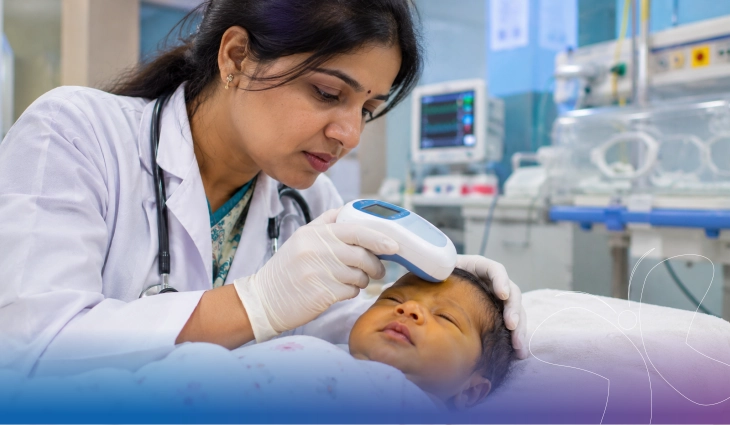
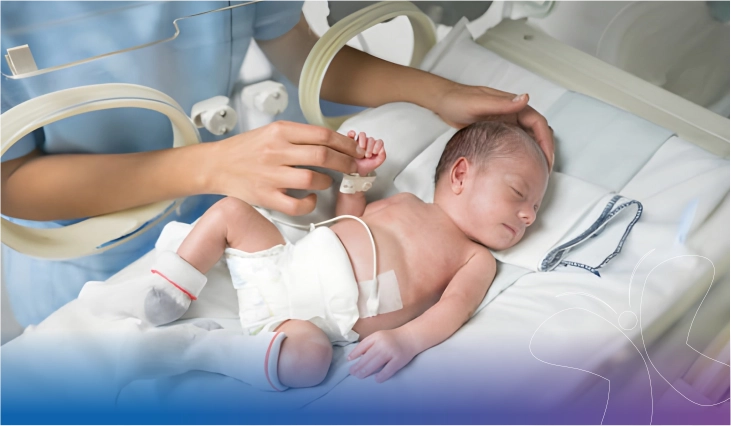
A pediatric respiratory specialist in Rajkot can assess oxygen saturation, breathing pattern, and feeding ability — the three measures that determine whether a baby with a respiratory infection can be safely managed at home or needs hospital support.
Prevention
-
Hand hygiene RSV spreads through contact with secretions; frequent handwashing reduces transmission
-
Avoiding contact between young babies and people with colds during RSV season
-
Breastfeeding — provides some immune protection in early infancy
-
Keeping the baby's vaccinations up to date — pertussis vaccination is particularly important
-
Maternal pertussis vaccination in pregnancy — protects the newborn before their own vaccination begins
Conclusion
RSV and other respiratory infections in babies follow a pattern that parents can learn to recognise — a cold that progresses to visible breathing difficulty, reduced feeding, and increasing distress over two to three days. Acting on those signs promptly rather than waiting until the baby is severely compromised makes a real difference to the clinical course. Flowrence Hospital in Rajkot provides specialist paediatric assessment for respiratory infections in infants, with oxygen monitoring, nebulisation, and neonatal support for babies who need hospital-level care. For any baby with breathing concerns, the pediatric respiratory specialist in Rajkot at Flowrence Hospital is the right first call.