Introduction
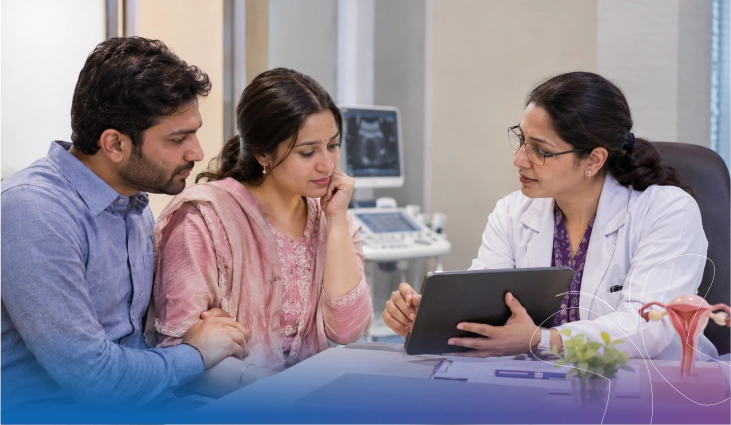
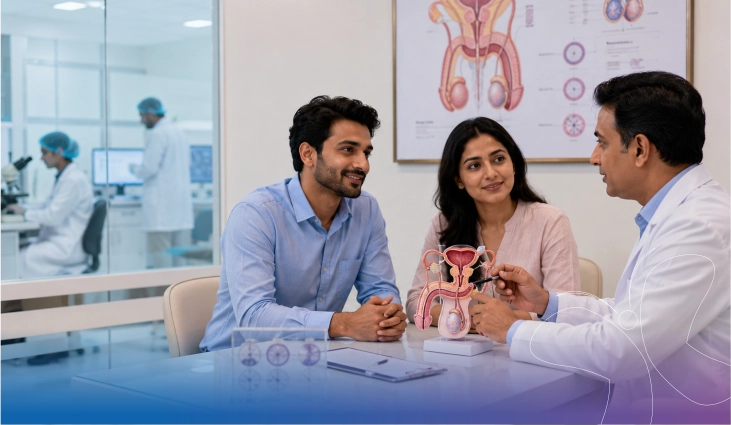
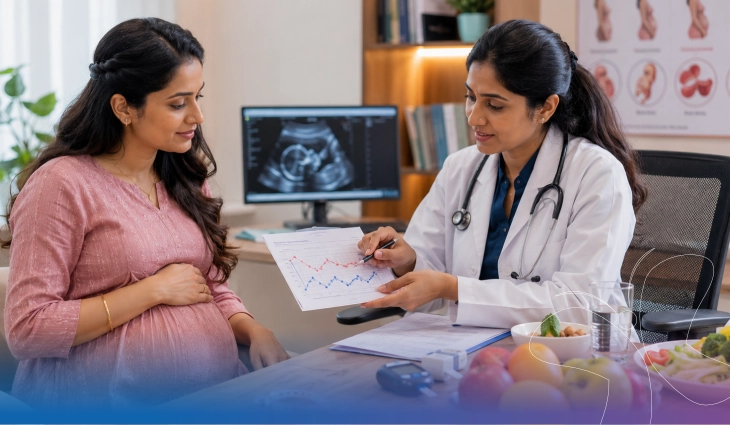
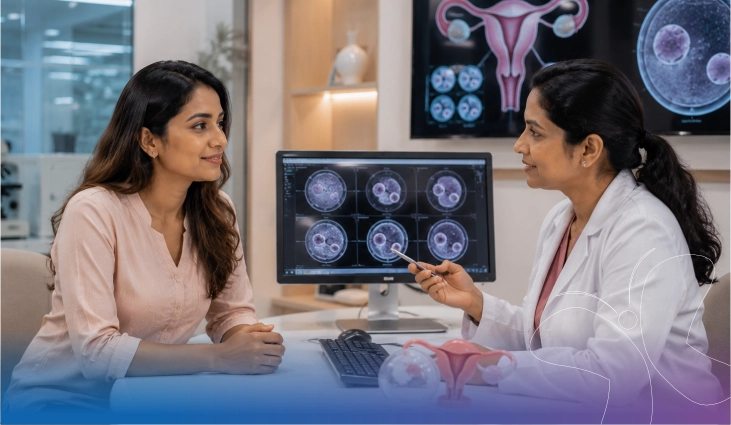
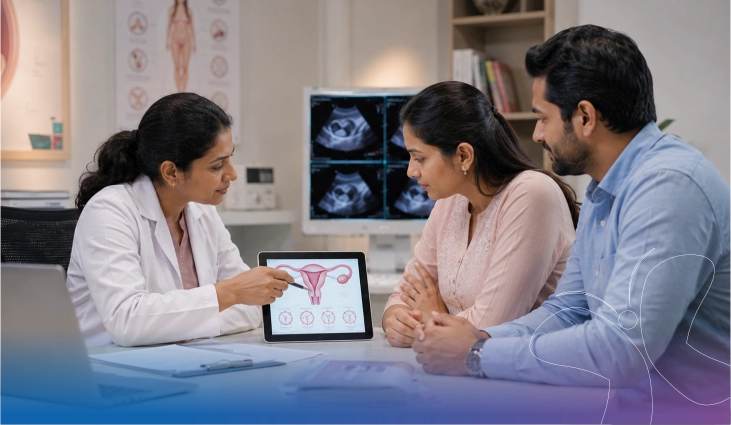
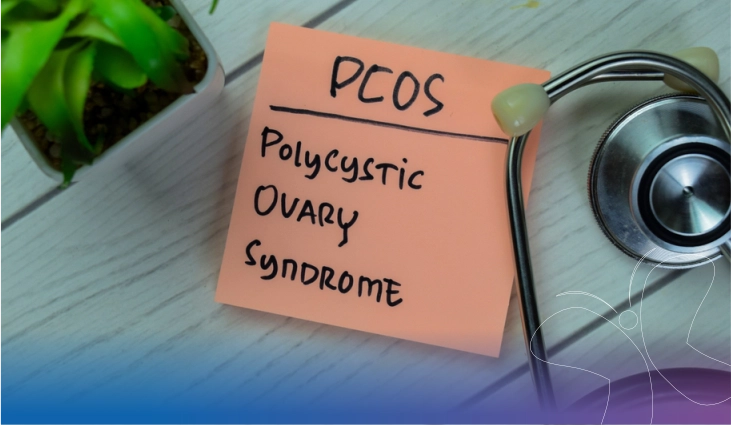
Polycystic ovary syndrome is the most common hormonal disorder in women of reproductive age, and it is also the most common cause of ovulation problems — which makes it one of the most frequent reasons women seek fertility support. The name is misleading: PCOS doesn't mean the ovaries are covered in cysts, and not every woman with PCOS struggles to conceive. But for those who do, understanding the condition, its impact on fertility, and available treatment options is crucial. Accessing PCOS Fertility Treatment in Rajkot through a specialist who understands the full spectrum of PCOS presentations gives couples the most direct path toward conception.
What Is PCOS and How Does It Affect Fertility?
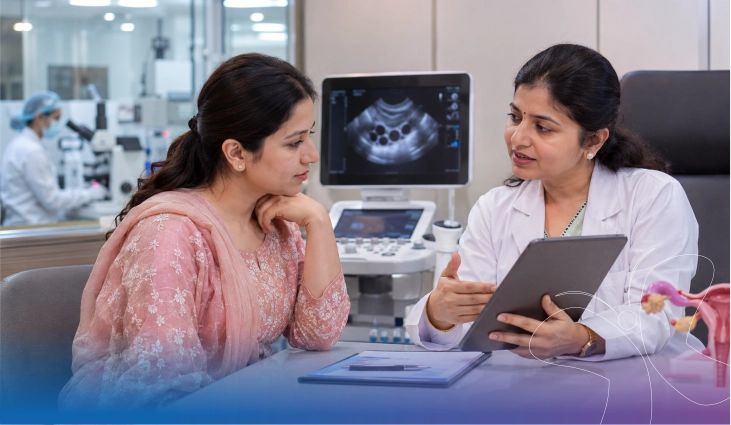
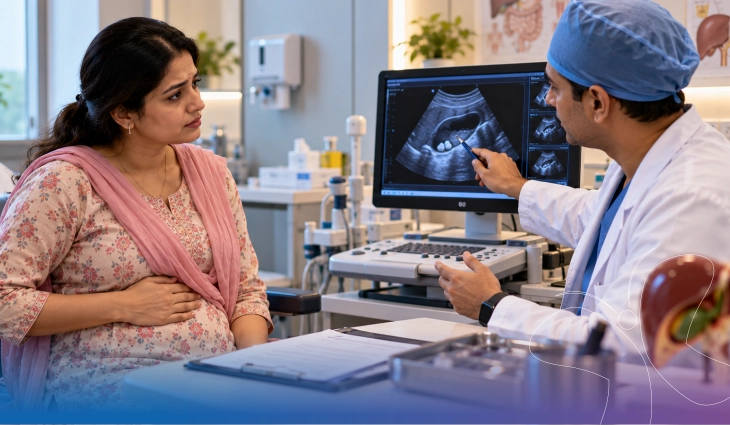
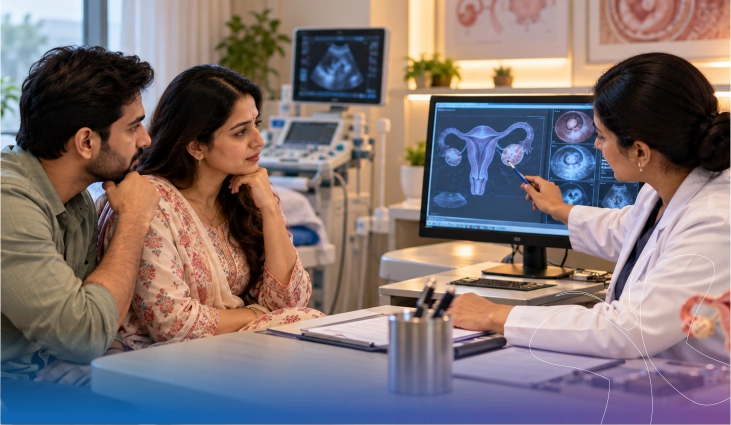
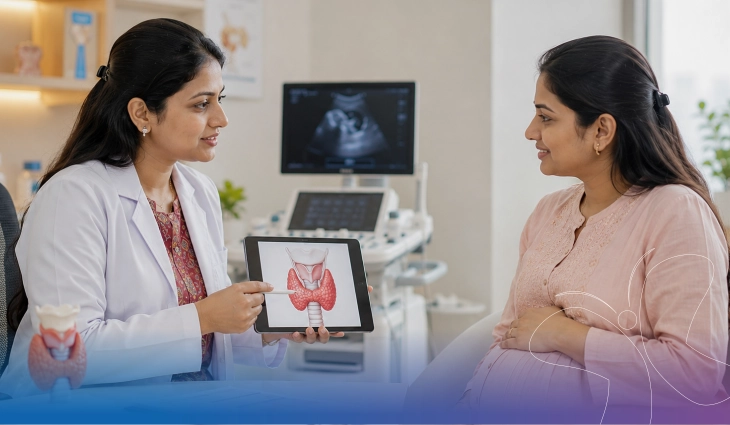
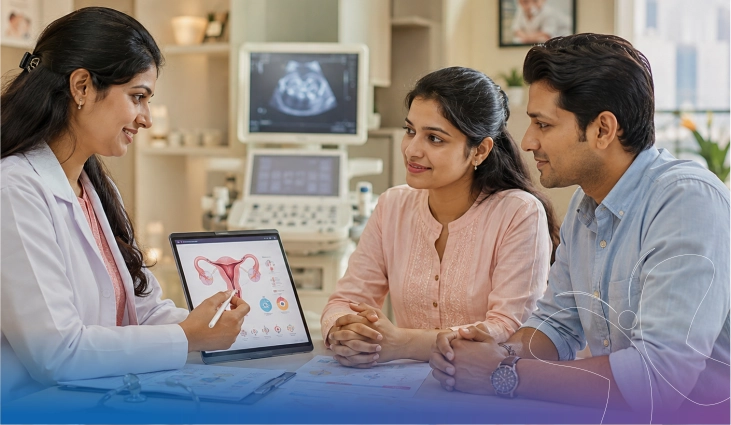
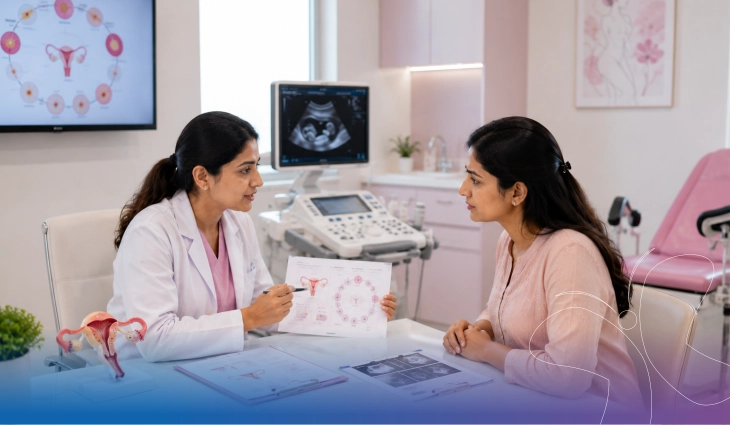
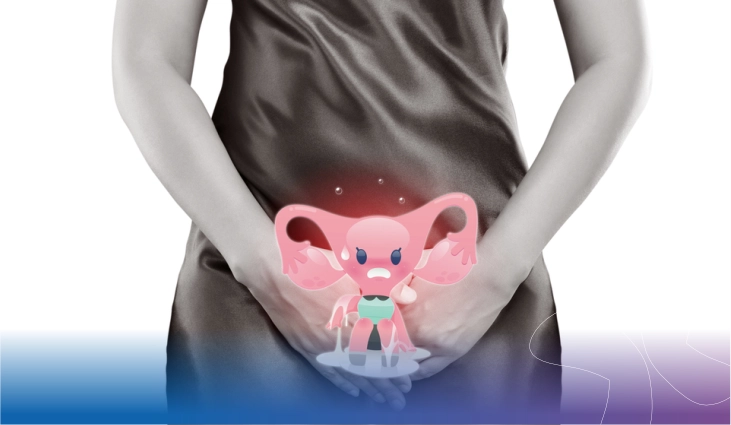
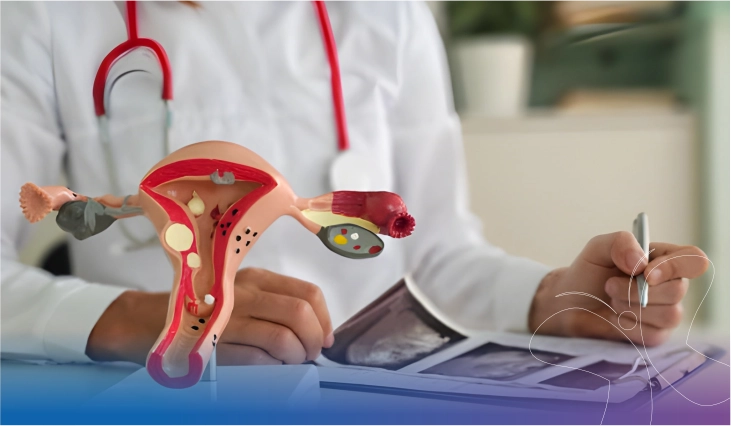
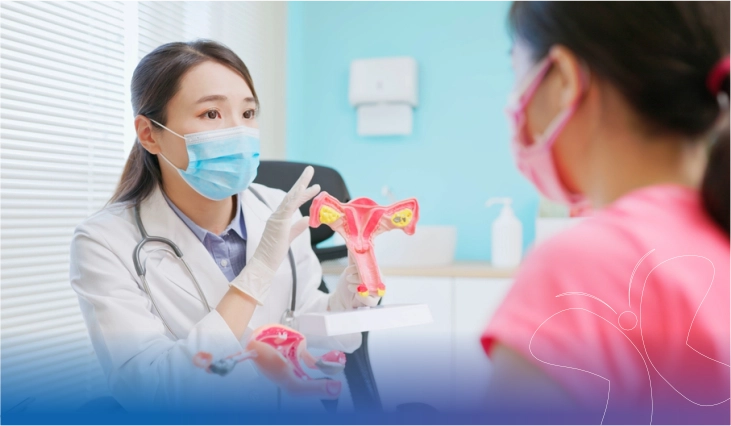
PCOS is a hormonal syndrome defined by the presence of at least two of three features: irregular or absent periods, biochemical or clinical signs of elevated androgens (male hormones), and a polycystic appearance on ovarian ultrasound. The underlying driver in most cases is insulin resistance, which disrupts the normal hormonal signals that regulate the menstrual cycle and ovulation. When ovulation doesn't occur regularly or at all conception becomes difficult because there is no egg available to fertilise.
The good news is that PCOS-related fertility problems are among the most treatable causes of ovulation difficulties. Many women with PCOS conceive naturally, particularly with lifestyle changes that improve insulin sensitivity, and those who need medical support have a range of effective options available.
Can PCOS Make It Difficult to Get Pregnant?
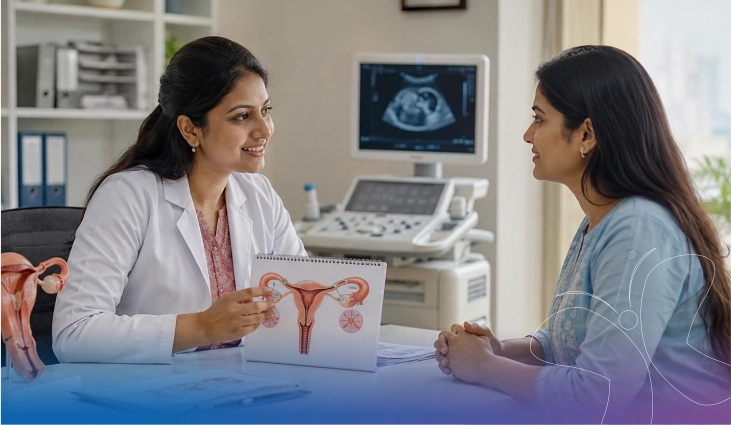
For women with regular periods and ovulation despite a PCOS diagnosis, their fertility often remains largely unaffected. The difficulty arises when cycles are irregular or anovulatory when ovulation is infrequent or absent. A woman who ovulates only six or eight times a year instead of twelve has proportionally fewer opportunities to conceive in any given year, and the timing of those ovulations is unpredictable, making conception harder to plan. A PCOS specialist consultation establishes whether ovulation is occurring and how often, which determines the management approach.
Lifestyle Changes — The First and Most Effective Step
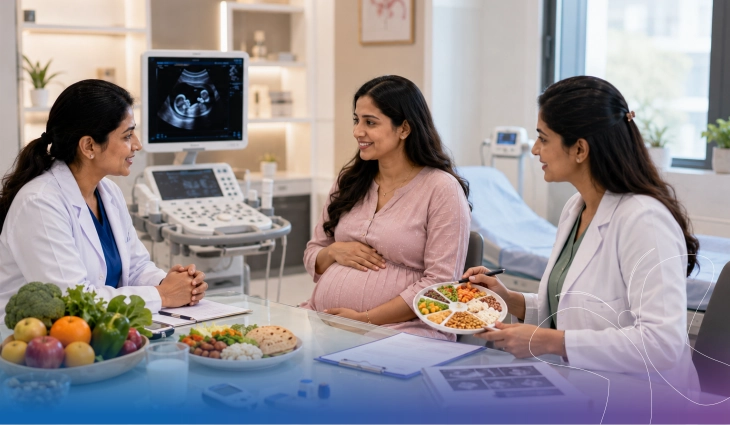
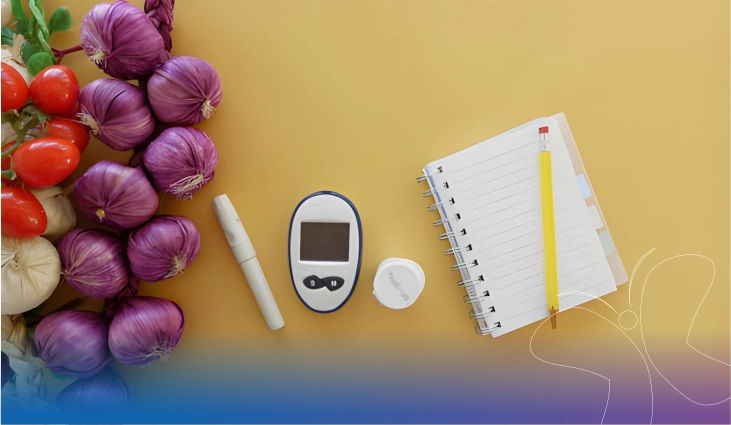
For women with PCOS and overweight or obesity, even modest weight loss five to ten percent of body weight significantly improves insulin sensitivity, restores more regular ovulation, and in many cases enables natural conception without medical treatment. This is not about achieving a particular weight; it is about the metabolic improvement that comes with even small weight reductions. Regular physical activity, reduction in refined carbohydrate and sugar intake, and consistent sleep all support hormonal regulation in PCOS independently of weight change.
Medical Treatments for PCOS Fertility
Ovulation induction
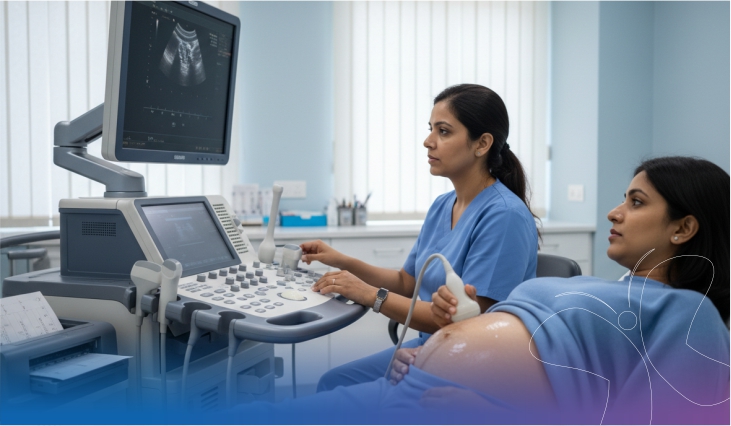
For women who don't ovulate despite lifestyle modification, ovulation induction medications stimulate the ovaries to produce and release an egg. Letrozole — an aromatase inhibitor — is now the preferred first-line treatment for ovulation induction in PCOS, producing higher ovulation and pregnancy rates than the older clomiphene citrate. Both are oral medications taken in the first half of the cycle. Ultrasound monitoring tracks follicle development and confirms ovulation.
Metformin
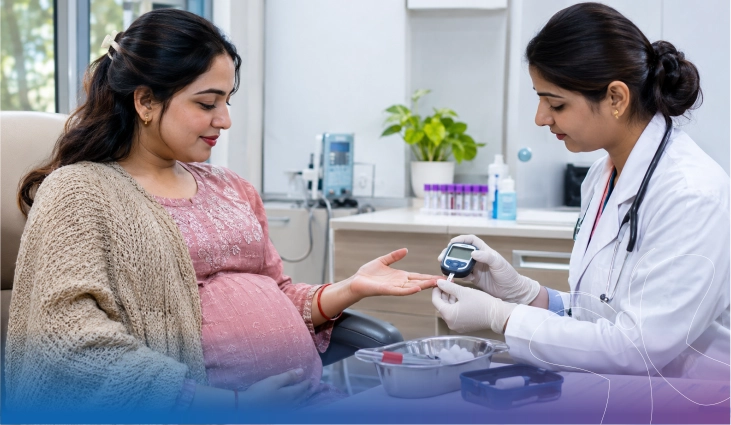
Metformin improves insulin sensitivity and is used in PCOS both to support ovulation and to reduce the risk of gestational diabetes in pregnancy. It may be used alongside ovulation induction or as a standalone treatment in women with significant insulin resistance.
Gonadotrophin injections
When oral ovulation induction doesn't produce a response, gonadotrophin injections of FSH or LH are the next step. These require closer ultrasound monitoring to avoid overstimulation and multiple pregnancies, so they are managed by a specialist fertility team.
IVF
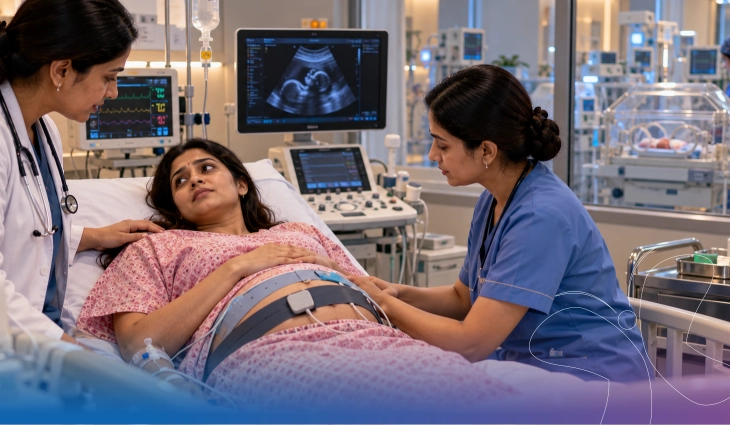
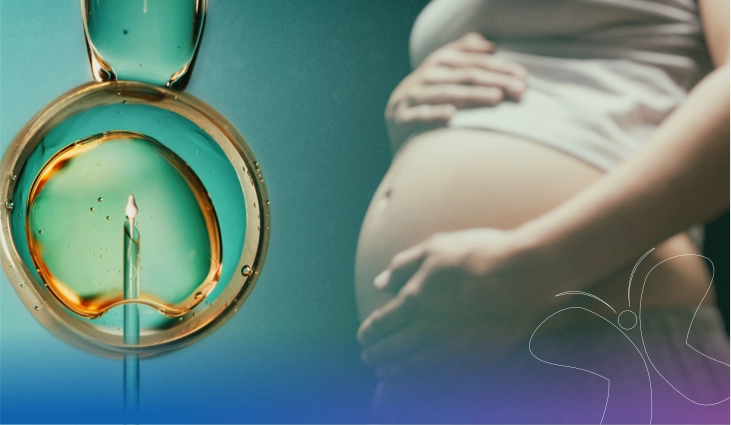
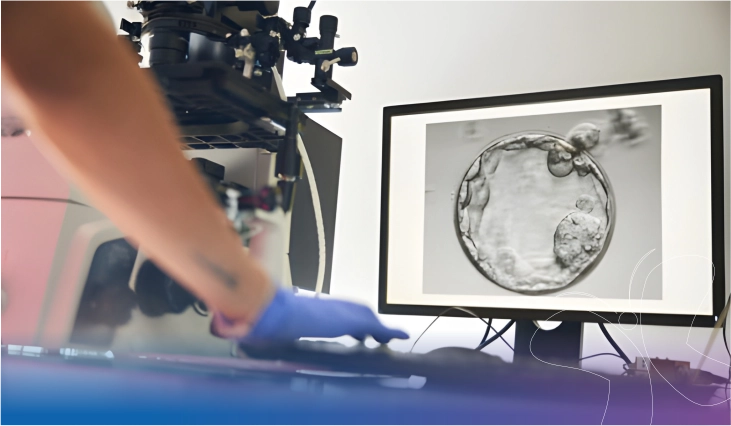
IVF is considered when simpler ovulation induction has not resulted in pregnancy after several cycles, or when other fertility factors, such as tubal or male factors, are also present. Women with PCOS tend to respond strongly to ovarian stimulation in IVF, which means the risk of ovarian hyperstimulation syndrome (OHSS) is higher and requires careful protocol management. The best Gynecologist for PCOS in Rajkot will assess when to step up to IVF and which protocol minimises OHSS risk while optimising egg yield.
When to Seek Specialist Help
● Trying to conceive for twelve months without success (or six months if over 35)
● Periods that are very irregular — cycles longer than 35 days or fewer than eight periods per year
● Absent periods for three months or more
● Confirmed PCOS with no spontaneous ovulation on monitoring
● Failed response to lifestyle modification after three to six months of genuine effort
Conclusion
PCOS is the most common hormonal cause of fertility difficulty in women, but it is also one of the most effectively treated. Lifestyle changes, ovulation induction, and IVF when needed give most women with PCOS a realistic path to pregnancy. The key is not waiting too long before seeking specialist input, particularly when periods are very irregular, ovulation is clearly absent, or simpler approaches have been tried without success. Flowrence Hospital in Rajkot provides specialist gynaecological and fertility care for women with PCOS, from initial diagnosis through ovulation induction and IVF consultation. For women looking for a PCOS specialist consultation in Rajkot, Flowrence Hospital offers the expertise and treatment options that PCOS fertility management requires.