Introduction
When a gynaecologist recommends surgery, many women assume it means a large incision, a long hospital stay, and weeks of restricted activity. For a growing number of gynaecological conditions, that assumption is no longer accurate. Laparoscopic surgery in Rajkot minimally invasive keyhole surgery performed through small abdominal incisions, has replaced open surgery as the preferred approach for many gynaecological procedures, offering faster recovery, less postoperative pain, lower infection risk, and significantly smaller scars compared to traditional open operations.
What Is Laparoscopic Surgery?
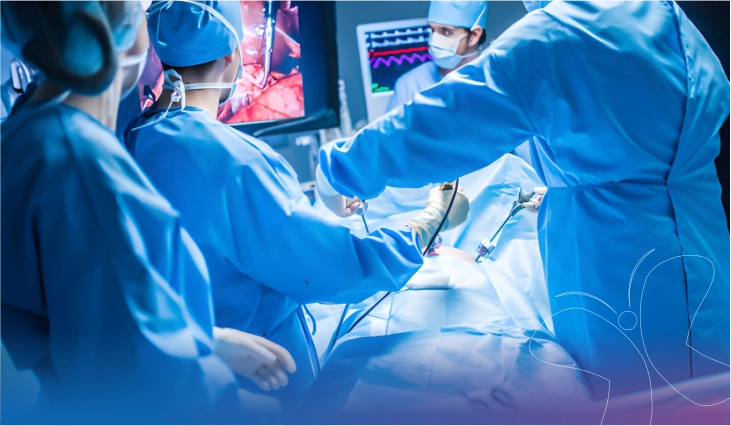
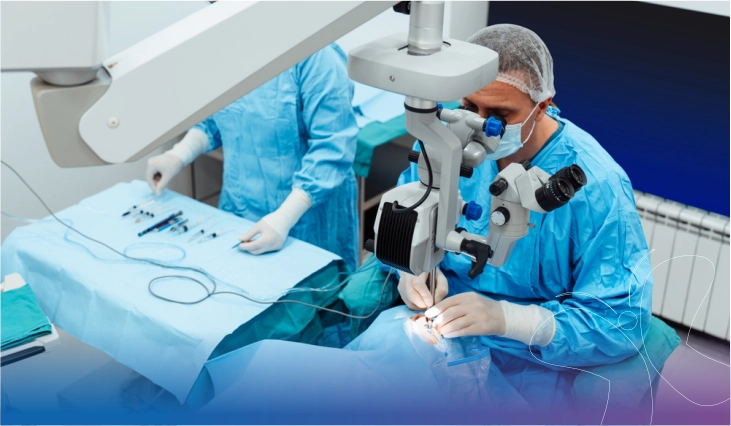
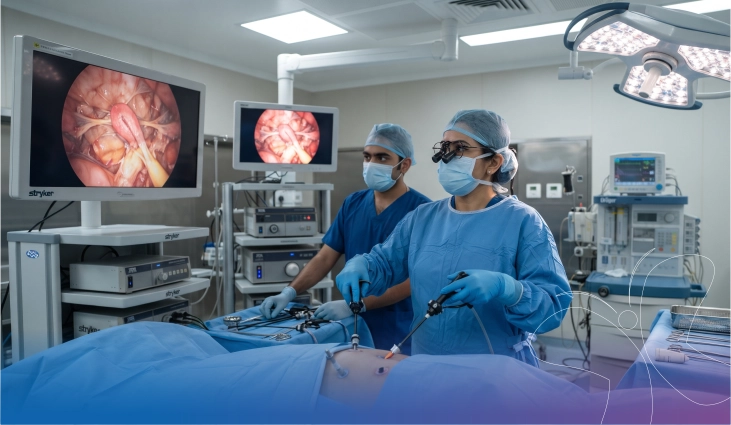
Laparoscopy uses a thin, lighted camera, a laparoscope, inserted through a small incision near the navel, along with one to three additional small incisions through which surgical instruments are introduced. The surgeon views the operative field on a monitor and performs the procedure with long, slender instruments rather than their hands inside the abdomen. Carbon dioxide gas inflates the abdominal cavity to create space and visibility. The technique requires the same surgical skill as open surgery but produces a fraction of the tissue trauma, which is why recovery is dramatically faster.
Common Gynaecological Conditions Treated Laparoscopically
Endometriosis
Laparoscopy is both the diagnostic gold standard and the primary surgical treatment for endometriosis deposits of uterine lining tissue growing outside the uterus. It allows the surgeon to visualise, confirm, and remove or ablate the deposits in the same procedure. Laparoscopic assessment provides information and treatment simultaneously for women experiencing pain, infertility, or suspected endometriosis that does not respond to medical management.
Ovarian cysts
Most ovarian cysts that require surgical removal, dermoid cysts, persistent functional cysts, and endometriomas are managed laparoscopically. The cyst is excised with preservation of normal ovarian tissue wherever possible, which matters particularly for women of reproductive age. Recovery after laparoscopic ovarian cystectomy typically requires two to three days in hospital and two to three weeks to return to full activity.
Fibroids
Subserosal and pedunculated fibroids on the outer surface of the uterus can be removed laparoscopically (laparoscopic myomectomy). Intramural fibroids, deep within the uterine wall, are more challenging and may require open or robotic-assisted surgery depending on size and location. A minimally invasive gynecological surgery consultation clarifies which approach is most appropriate for the individual fibroid configuration.
Ectopic pregnancy
Laparoscopy is the standard surgical treatment for ectopic pregnancy — a pregnancy developing outside the uterus, most commonly in the fallopian tube. It allows the ectopic to be removed with either conservation or removal of the affected tube depending on its condition and the woman's future fertility plans. The procedure avoids the longer recovery of open surgery in an already acutely unwell patient.
Hysterectomy
Total laparoscopic hysterectomy, which involves the removal of the uterus through small incisions, is now routinely performed at experienced centres. Compared to open hysterectomy, the laparoscopic approach produces less blood loss, shorter hospital stay (typically one to two days versus four to five), and return to normal activity in two to three weeks rather than six to eight weeks.
Diagnostic laparoscopy
When the cause of pelvic pain, infertility, or suspected pathology is unclear despite imaging, diagnostic laparoscopy allows for direct visualisation of the pelvic organs. Many diagnostic procedures become therapeutic in the same sitting when findings are identified.
Recovery After Laparoscopic Surgery
Recovery varies by procedure, but laparoscopic gynaecological surgery generally follows this pattern:
● Hospital stay: one to two days for most procedures
● Return to light daily activities: three to five days
● Return to driving: one week (subject to pain control and no narcotic medications)
● Return to desk work: one to two weeks
● Return to physical activity and exercise: two to four weeks depending on the procedure
● Shoulder tip pain from the CO2 gas is common for one to two days and resolves without treatment
Post-operative instructions from the surgeon regarding wound care, bathing, activity, and warning signs should be followed specifically for the procedure performed rather than relying on general guidance.
Who Is a Suitable Candidate?
Most women requiring gynaecological surgery are suitable for laparoscopic approaches. Factors that may affect suitability include previous abdominal surgeries causing adhesions, particularly fibroids or ovarian masses, and certain medical conditions affecting anaesthetic risk. A preoperative assessment with the surgical team determines the best approach for each individual case.
Conclusion
Laparoscopic surgery has transformed gynaecological care, allowing women to have procedures that previously meant weeks of recovery, now done through small incisions, with a return to normal life within days. Whether the indication is endometriosis, ovarian cysts, fibroids, ectopic pregnancy, or hysterectomy, the laparoscopic approach offers genuine advantages that most women would choose once they understand the comparison with open surgery. Flowrence Hospital in Rajkot provides laparoscopic gynaecological surgery across the full range of gynaecological indications, with experienced surgeons and the operative infrastructure that safe minimally invasive surgery requires. For women considering surgery and looking for the best hospital for laparoscopic surgery in Rajkot, Flowrence Hospital is ready to help.