Introduction
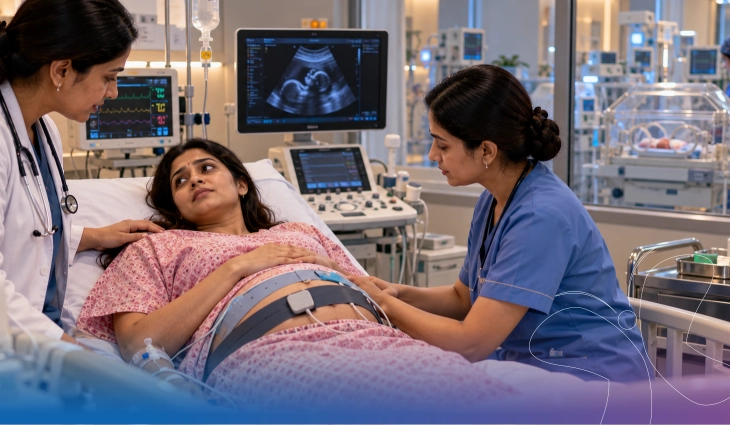
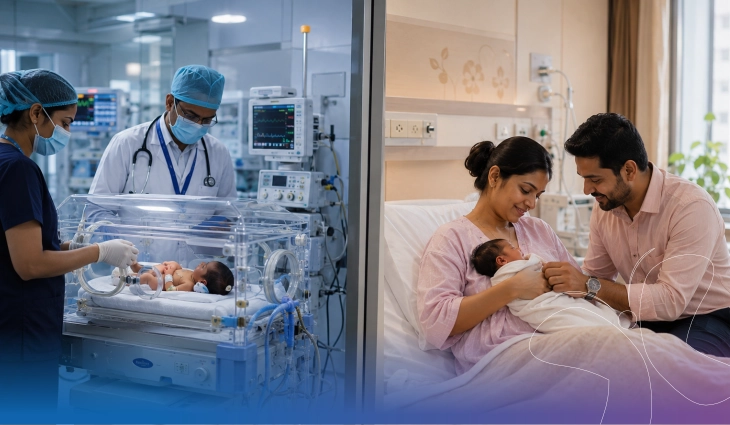
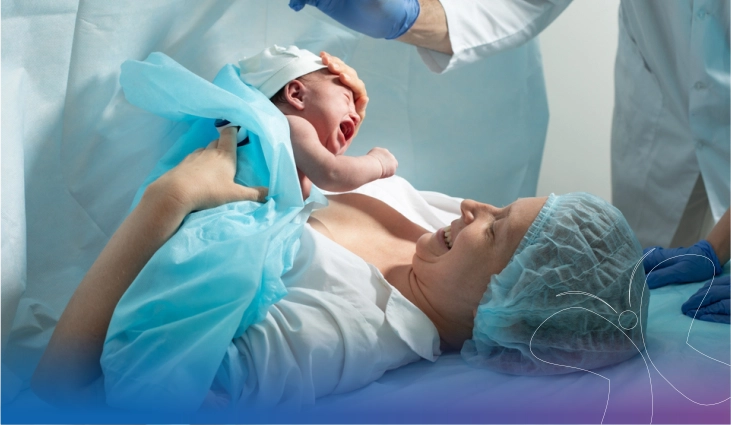
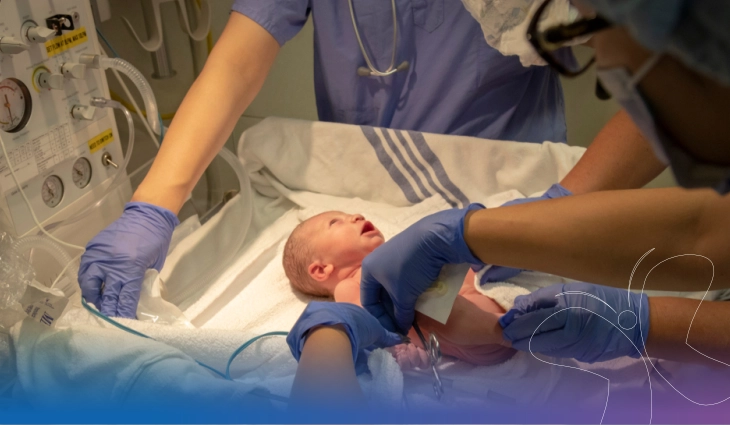
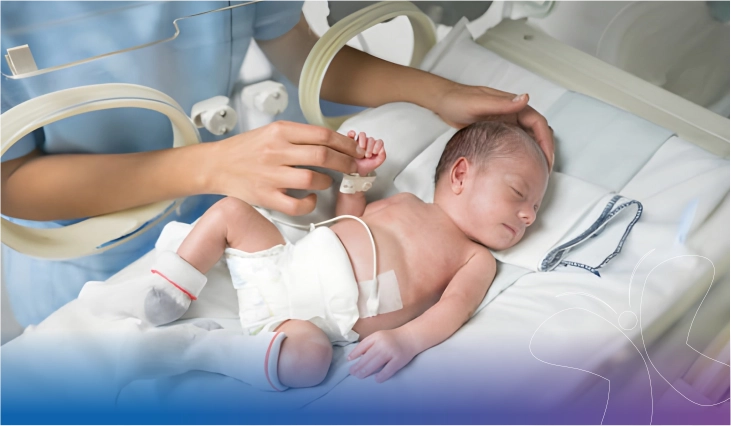
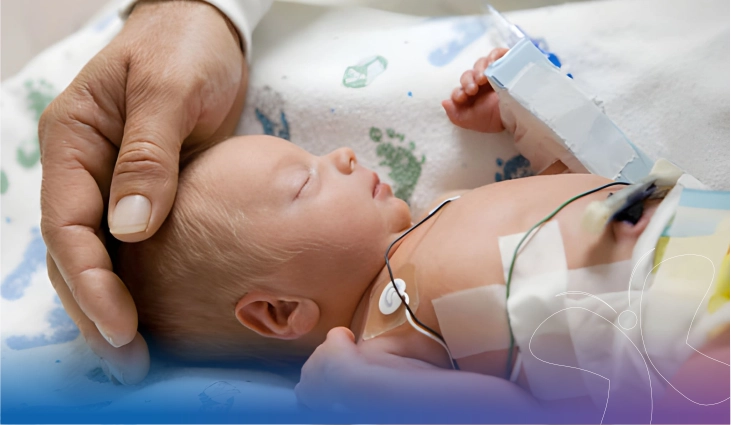
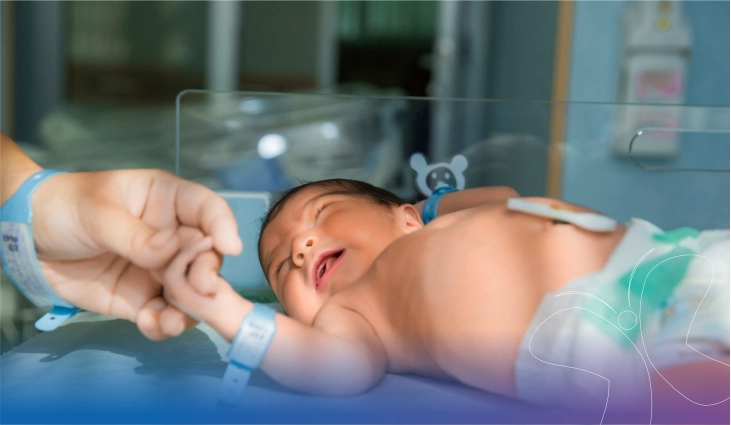
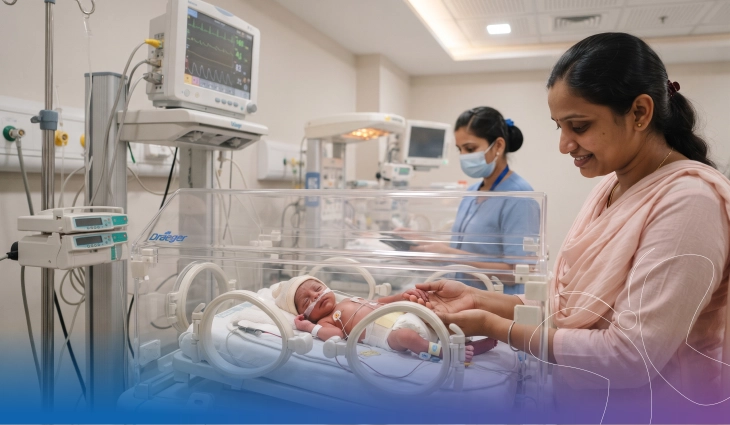
A premature birth before 37 completed weeks of pregnancy thrusts parents into a world they were not prepared for. The NICU, incubator, monitors, and feeding tubes are overwhelming from the very first moment. But what families quickly discover is that premature babies are remarkable in their resilience, and with the right neonatal support, most go on to thrive. Understanding what premature baby care in Rajkot involves, what the NICU does, how feeding is managed, and what development looks like in the months and years ahead helps parents move from shock to informed participation in their baby's care.
Why Premature Babies Need Specialised Care
The final weeks of pregnancy are not simply about size. Organ systems particularly the lungs, brain, gut, and immune system complete critical stages of development between 34 and 40 weeks. A baby born at 28 weeks has significantly different clinical needs than one born at 34 weeks, and both are different from a baby born at 36 weeks. The gestational age at birth largely determines which systems are immature, what complications are most likely, and how long NICU support will be needed.
The most common challenges for premature babies include respiratory distress from immature lungs, temperature instability because they lack the body fat to maintain warmth, feeding difficulties because the suck-swallow-breathe coordination develops late in pregnancy, jaundice, susceptibility to infection, and, in very preterm babies, the risk of brain bleeds and gut complications.
What NICU Care Involves
Respiratory support
Premature lungs often lack sufficient surfactant, the substance that keeps the tiny air sacs open. Surfactant therapy given shortly after birth significantly improves respiratory outcomes in very preterm babies. Depending on the degree of respiratory difficulty, support ranges from supplemental oxygen through nasal prongs to CPAP (continuous positive airway pressure) that keeps airways open to mechanical ventilation for the most premature babies. The goal is always to reduce respiratory support as the lungs mature.
Temperature regulation
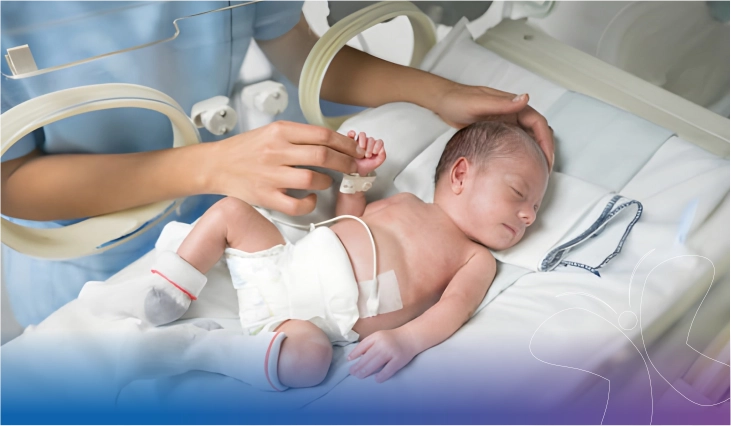
Incubators maintain a controlled warm environment because premature babies cannot regulate their body temperature effectively. As the baby grows and develops more body fat, temperature stability improves and the transition to an open cot becomes possible a milestone families rightly celebrate.
Monitoring
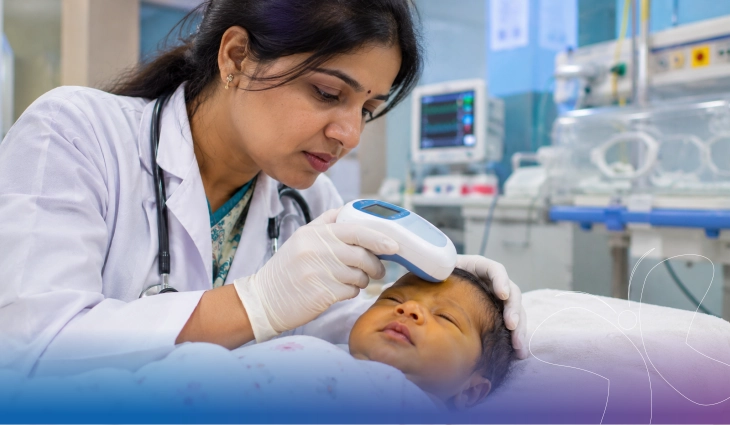
Continuous monitoring of heart rate, breathing, and oxygen saturation allows the neonatal team to detect and respond to changes quickly. Premature babies commonly have episodes of apnoea (brief pauses in breathing), and the neonatal team manages these episodes with stimulation, caffeine therapy, and respiratory support as needed. Monitoring continues until these episodes cease consistently, which typically happens as the brain matures.
Infection prevention
The immune system of a premature baby is immature, making infection a significant risk, particularly in the NICU environment, where invasive lines and tubes create potential entry points. Strict hand hygiene, careful line management, and appropriate antibiotic use when infection is suspected are central to NICU care. Families are encouraged to practise thorough hand hygiene before touching their baby and to alert the team if they have any current illness.
Feeding Challenges in Premature Babies
The Neonatal Specialist in Rajkot team typically begins minimal enteral feeding with very small volumes of milk through a nasogastric tube as soon as the baby is stable, even before full feeds are possible. Breast milk is the preferred feed for premature babies for multiple reasons: it contains immune factors, growth factors, and a composition that supports gut maturation in ways formula cannot replicate. Mothers are encouraged to express milk from the first day, even when the baby is not yet ready to feed directly.
As the baby grows, feeds are gradually increased. Direct breastfeeding becomes possible as the suck-swallow-breathe reflex matures typically from around 34 to 35 weeks corrected gestational age. Some babies go home still partially tube-fed and complete the transition to full oral feeding at home with lactation and neonatal support.
Parent Involvement in NICU Care
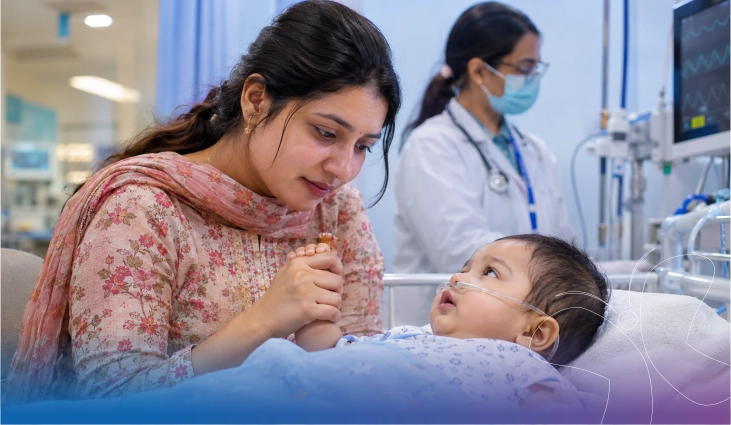
Research consistently shows that parent involvement in NICU care improves outcomes. Kangaroo care skin-to-skin contact between parent and baby stabilises the baby's temperature, heart rate, and breathing, supports breastfeeding establishment, and strengthens the attachment that the NICU environment can make feel difficult to build. Parents are encouraged to participate in care nappy changes temperature checks and positioning under nursing guidance, which builds confidence for the transition home.
Long-Term Development After Premature Birth
Development in premature babies is assessed using corrected age — the age the baby would be if born at term — rather than birth date. A baby born two months early and now three months old is developmentally assessed as a one-month-old. Most mildly premature babies, those born after 34 weeks catch up to their peers by one to two years of age with no lasting differences. Very preterm babies, those born before 28 weeks, have a higher risk of developmental challenges, including cerebral palsy, visual and hearing difficulties, and learning differences, and benefit from structured developmental follow-up
through infancy and early childhood.
● Regular developmental assessments at corrected age milestones track motor, speech, and cognitive progress
● Physiotherapy, speech therapy, and occupational therapy are started early where developmental concerns are identified
● Vision and hearing screening is done before NICU discharge and repeated at intervals
● The vaccination schedule follows the corrected age for some vaccines, the neonatal team advises on the specific schedule
Conclusion
A premature birth is the beginning of a journey that is harder than any parent plans for but one that most families navigate successfully with the right neonatal support, clear information, and active involvement in their baby's care. The NICU helps a baby born too early become strong enough to go home and grow. Flowrence Hospital in Rajkot provides dedicated neonatal intensive care for premature babies, with experienced neonatologists, respiratory support, and the family-centred care approach that these babies and their parents need. For families looking for the best NICU hospital in Rajkot, Flowrence Hospital offers the specialised neonatal expertise and compassionate support that this journey requires.